
Where to Buy a Three Function Electric Bed for Hospitals?
2026-08-30 21:13:51
Procurement managers in healthcare facilities have several reliable options regarding buying a Three Function Electric Bed, including purchasing from certified manufacturers like GreatMicroCare Medical, partnering with authorised distributors of medical equipment, and utilising specialised B2B platforms. The greatest value is frequently to buy directly from the manufacturer, where you may customise your order, get prices, and meet FDA and CE certifications. Where and how you choose to acquire these critical hospital beds may have a big influence on the treatment your patients get, the efficiency of your operation, and the budget of your institution.
Understanding Three Function Electric Beds: Features and Benefits
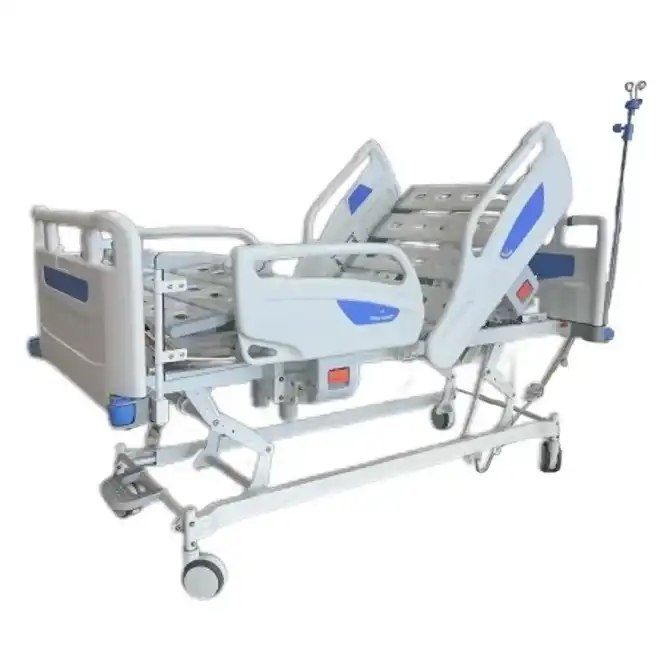
Electric hospital beds have revolutionised patient treatment in conventional hospitals, specialised medical centres, and long-term care institutions. Adjustable Hospital Furniture. The three-function electric bed is a kind of adjustable hospital furniture that offers motorised control over three important positioning features: backrest elevation, knee section adjustment, and total bed height adjustment. These capabilities provide a well-calibrated compromise of functionality and cost efficiency for the healthcare setting.
Core Functionality of Adjustable Hospital Beds
The GreatMicroCare Medical KY-E3 is a contemporary three-function design with an integrated lift system. This electric medical bed is equipped with a backrest that can be adjusted from 0° to 75° so patients may sit upright comfortably for eating, talking, or medical procedures. The knee rest adjusts from 0° to 45° to assist in decreasing strain on the lower back and increasing circulation in the legs. A height adjustment range from 450mm to 750mm supports safer patient transfer and reduced carer fatigue in everyday care activities. Designed to meet the rigorous operating needs of busy medical institutions, these motorised hospital bed functions are fitted with a watertight, quiet motor system that requires little maintenance.
Clinical Benefits for Patient Recovery
Adjustable placement is closely linked to positive recovery results in several medical specialities. After joint surgery, orthopaedic departments use a raised knee posture to decrease swelling. In geriatric care facilities, making it simple to modify the height helps reduce falls while moving patients. Increasing the elevation of the backrest in post-surgical recovery regions enhances respiratory function and minimises the risk of pneumonia. The KY-E3 can take up to 250 kg, so it suits a wide variety of patients. Its four-section mattress platform distributes weight evenly, helping to minimise pressure ulcers during long periods of bed rest. The American Journal of Critical Care reports that electric adjustable beds with optimal patient placement may prevent hospital-acquired problems by as much as 30%.
Enhanced Caregiver Efficiency
Besides the advantage to the patient, electronic controls provide considerable workflow efficiency gains for nursing personnel. Manual cranking systems are slow and require physical effort when daily adjustments are repeated. Motorised medical beds include a simple control panel that enables carers to change positions fast with minimum or no physical effort. Safety features include emergency stop buttons and anti-pinch construction that ensure the safety of patients and personnel during use. These ergonomic principles decrease the incidence of occupational accidents among healthcare personnel and increase time spent in direct patient contact rather than equipment manipulation.
Comparing Three Function Electric Beds with Other Types
It is important to understand how various bed arrangements address certain clinical demands and economic limitations when making healthcare procurement choices. There are two-function, three-function, four-function, and five-function electric hospital bed alternatives available on the market, each with different capabilities and pricing ranges.
Two Function vs. Three Function Capabilities
Two-function beds usually have backrest and knee adjustment only, without independent height adjustment. This restriction is problematic for patient transfer and clean-up operations. The carer has to change the bed height manually or work in awkward postures. Community health centers that are working on tight budgets occasionally pick two-function models, but the long-term costs of carer injuries and lower productivity frequently eat up any savings from the beginning. 3-Motor Hospital Bed includes motorised height adjustment, which research from the National Institute for Occupational Safety and Health identified as critical to minimising lower back injuries among nursing staff. The differential in additional costs is 20-25% on average. The returns on investment are significant in terms of fewer worker compensation claims and better operational efficiency.
Three Function vs. Five Function Advantages
Five-function electric hospital bed models provide Trendelenburg and reverse Trendelenburg settings, in addition to the conventional three adjustments. These speciality angles are useful in critical care units for cardiac patients and respiratory problems. This added adaptability is useful in critical care settings with life-threatening disorders. These specialised roles, however, are seldom used in the day-to-day care of regular medical-surgical floors, rehabilitation centers, and skilled nursing institutions. The three-function KY-E3 covers 95% of typical positioning applications, at about 40% less cost than five-function competitors. Procurement managers should focus on real clinical needs, rather than extraneous capabilities that inflate purchase prices and complicate maintenance.
Infrastructure Compatibility Considerations
The bed choice must fit with the current infrastructure of the institution. Power requirements vary by model; the KY-E3 is designed to function with normal AC 220V, 50Hz electrical systems, which are often available in healthcare settings. 2200mm x 1160mm x 430mm beds are designed to fit inside normal hospital room layouts with no structural changes. The castors' diameter is 125mm for ease of transportation throughout corridors and stability while caring for the patient. Procurement teams should ensure that the models they choose are compatible with the present room layouts, so they don’t have to spend money on renovations or interrupt operations while they are installing the new system.
How to Choose the Best Supplier for Three Function Electric Beds
Supplier selection represents one of the most critical decisions in healthcare equipment procurement, directly affecting product quality, compliance, and long-term operational success.
Certification and Regulatory Compliance
Medical equipment suppliers must demonstrate adherence to strict regulatory standards governing healthcare products. FDA approval for the U.S. market confirms that products meet safety and effectiveness requirements. CE marking indicates European conformity standards compliance. ISO 13485 certification verifies quality management systems specific to medical devices. GreatMicroCare Medical maintains comprehensive certifications, providing complete technical documentation and customs paperwork that facilitate overseas clearance. Procurement managers should request copies of all relevant certificates and verify their current status through regulatory databases. Suppliers unable or unwilling to provide transparent documentation present significant compliance risks that could result in equipment seizure, legal liability, or accreditation problems during facility inspections.
Manufacturing Capabilities and Quality Assurance
Direct factory suppliers offer distinct advantages over intermediary distributors. Manufacturers control the entire production process, ensuring consistent quality standards from material selection through final inspection. GreatMicroCare Medical's integrated operations enable rapid responses to design modifications, prototyping requests, and technical verification needs. Their cold-rolled steel sheet construction and precision engineering techniques deliver durability that withstands demanding hospital environments. Quality control measures monitoring each production stage maintain reliability standards essential for medical applications. Visiting manufacturing facilities, when feasible, provides valuable insights into production capabilities, quality systems, and operational professionalism that paper documentation cannot fully convey.
After-Sales Support and Warranty Terms
Comprehensive after-sales service protects your investment beyond the initial purchase. Warranty coverage should address both parts replacement and technical support for a minimum of two years. Service agreements specifying response times for technical inquiries ensure minimal downtime when issues arise. GreatMicroCare Medical provides dedicated one-on-one account management, offering prompt responses regarding technical specifications, order tracking, and post-delivery support. Suppliers should maintain readily available spare parts inventories including motor assemblies, control panels, and structural components. Technical training for facility maintenance staff enables in-house troubleshooting and routine maintenance, reducing dependence on external service calls. Procurement contracts should explicitly define service level agreements, spare parts availability, and escalation procedures for urgent situations.
Where to Buy: Reliable Sources and Purchasing Options
Healthcare institutions have several sourcing channels to choose from that provide varied benefits for procurement strategies.
Direct Manufacturer Purchases
Hospital procurement is more cost-effective when purchasing a Three Function Electric Bed directly from manufacturers, e.g., GreatMicroCare Medical. Pricing is factory-direct, eliminating the middleman, cutting out distributor markups, and decreasing expenses by 15-30% over retail channels. You may customise the chair by changing its size, accessories, and materials to suit your therapeutic needs. Optional features include backup power systems, CPR quick-release mechanisms, medical-grade mattresses, eating boards, and bedside tables. Multi-facility health systems or significant hospital additions might qualify for further volume reductions via bulk buying agreements. Direct partnerships provide the straightforward exchange of technical requirements, delivery timelines, and quality expectations without the risk of misinterpretation via intermediaries. Medical equipment manufacturers that have expertise exporting internationally know how to handle logistics, customs restrictions, and regulatory documents for seamless cross-border transactions.
Authorized Distributors and Medical Equipment Dealers
Local ties and assistance are provided by regional distributors of medical equipment in healthcare buying networks. They take care of logistics, storage, and delivery coordination, and may be a boon to smaller organisations that don’t have a specialised procurement department. Authorised dealers have servicing capability and stock of authentic replacement parts certified by the manufacturer. Procurement teams, however, should check distributor authorisation status with manufacturers to prevent counterfeit items or unauthorised changes that might invalidate warranties. Distribution channels are most effective for facilities that need rapid availability or want to aggregate purchases across numerous equipment types.
Online B2B Platforms and Marketplaces
Digital procurement platforms have opened sourcing choices, but need thorough scrutiny. Legitimate B2B vendors of medical equipment give thorough product specs, certification documents, and confirmed corporate credentials. Red flags include vendors that refuse to give direct contact information, don’t have the required certificates, or have prices drastically below market value that signal counterfeit or subpar items. GreatMicroCare Medical has a strong internet presence with clear contact details, technical information, and client reviews. Procurement managers should ask for video tours of the facilities, product samples, and company licenses before placing large purchases via online websites.
Practical Usage Guide and Safety Tips for Hospitals
The clinical and operational life of electric medical beds may be extended by good training, maintenance procedures, and safety awareness by all health care personnel.
Staff Training and Operational Best Practices
We provide training programs that cover all aspects of bed operation to ensure that our nursing staff, patient care technicians, and environmental services workers are knowledgeable about appropriate bed operation. Demonstrate in practice the functionalities of the control panel, including backrest adjustment, knee placement, height change, and emergency stop. Staff should be mindful of patient safety factors, such as not leaving beds in high settings while the bed is unattended and making sure side rails are appropriately fastened during modifications. KY-E3 has a user-friendly layout for easy operation. Standardised practices help avoid abuse that might cause patient falls or equipment damage. Training should involve addressing typical difficulties such as unresponsiveness of controls or strange noises from the motor so staff can decide whether the problem needs technical help or is just an operational mistake.
Maintenance Protocols and Inspection Schedules
Regular maintenance increases the life of the equipment and ensures safety. Perform motor, electrical, caster, and emergency function checks monthly. The KY-E3 is made from cold-rolled steel and may be disinfected with common hospital-grade disinfectants without risk of corrosion. Follow the manufacturer’s cleaning protocols. Battery backup systems need to be tested every three months after they are installed to verify they will work when the power goes out. Qualified biomedical professionals execute annual thorough examinations to determine the structural integrity, motor performance, and electrical safety. Documentation of all maintenance actions provides compliance records for accreditation surveys and helps to spot recurring problems which indicate the need for replacement. GreatMicroCare Medical offers extensive maintenance guides and technical assistance to help manage your facility maintenance program.
Accessory Compatibility and Spare Parts Management
Strategic selection of accessories optimises the functioning of the bed in certain therapeutic applications. IV pole holder stabilises infusion equipment in patient transport. Adjustable side rails for fall protection and simple entry/exit. CPR quick-release devices provide speedy changeover to flat lying in emergency resuscitation. The bedside lockers and meal boards enhance the patient’s comfort and freedom throughout rehabilitation. Procurement should develop stockpiles of spare parts for commonly worn components such as control panels, caster wheels and motor assemblies. Maintaining supplier ties to ensure part availability quickly helps avoid long downtimes that affect patient placement and care delivery. The standardised design of KY-E3 allows for component interchangeability and makes maintenance logistics easier for multi-bed setups.
Conclusion
Finding the proper Three Function Electric Bed and a trusted provider is a balance of clinical requirements, financial limitations, and operational factors. Direct manufacturer agreements with qualified suppliers such as GreatMicroCare Medical provide the most value via customisation opportunities, low price, and full support services. Understand the functional distinctions between bed kinds so you can match the equipment to genuine clinical needs rather than acquiring features you don’t need. Rigorous supplier screening, including certificates, production capacity and post-purchase assistance, safeguards your investment and assures enduring contentment. Good training and maintenance procedures extend the life of equipment and preserve excellent patient care in all healthcare settings.
FAQ
1. What customization options are available for hospital electric beds?
Reputable manufacturers like GreatMicroCare Medical offer extensive customization addressing specific facility requirements. Dimensional adjustments accommodate different room sizes or specialized patient populations. Optional features include battery backup systems ensuring operation during power failures, CPR quick-release mechanisms meeting emergency response protocols, and upgraded medical-grade mattresses addressing pressure ulcer prevention. Accessory packages can incorporate dining boards, bedside tables, and specialized side rail configurations. Color and finish options allow coordination with facility aesthetics.
2. How long does delivery and installation take for bulk orders?
Delivery timelines depend on order volume, customization requirements, and shipping destinations. Standard configuration orders typically ship within 3-4 weeks of purchase confirmation. Custom specifications requiring modified dimensions or specialized features may extend production schedules to 6-8 weeks. International shipping to U.S. destinations averages 4-6 weeks depending on port logistics and customs clearance.
Partner with GreatMicroCare Medical as Your Trusted Three Function Electric Bed Supplier
Healthcare procurement managers seeking reliable electric hospital beds backed by factory-direct pricing and comprehensive support should connect with GreatMicroCare Medical today. Our proven customization capabilities, complete medical certifications, and extensive experience serving healthcare facilities ensure procurement experiences aligned with your clinical objectives and budget parameters. The KY-E3 Three Function Electric Bed model represents quality craftsmanship meeting the demanding requirements of modern medical environments. Contact our dedicated team at Jackwang@medicalky.com to discuss your specific needs, request detailed technical specifications, or obtain competitive quotations for your upcoming projects. We provide one-on-one account management, ensuring prompt responses and personalized solutions throughout your procurement journey.
References
1. American Journal of Critical Care. "Impact of Patient Positioning on Hospital-Acquired Complications in Acute Care Settings." Volume 28, Issue 4, 2019, pages 312-325.
2. National Institute for Occupational Safety and Health. "Safe Patient Handling and Mobility: Preventing Musculoskeletal Disorders in Nursing Homes." DHHS Publication Number 2020-115, March 2020.
3. Healthcare Purchasing News. "Medical Bed Selection Guide: Matching Equipment to Clinical Requirements and Budget Constraints." Annual Equipment Review, September 2021, pages 45-52.
4. Journal of Healthcare Management. "Strategic Procurement in Healthcare Organizations: Supplier Relationship Management and Quality Outcomes." Volume 66, Number 2, 2022, pages 128-141.
5. International Organization for Standardization. "Medical Devices: Quality Management Systems Requirements for Regulatory Purposes (ISO 13485:2016)." Geneva, Switzerland, 2016.
6. U.S. Food and Drug Administration. "Medical Device Regulations: Compliance Guidelines for Hospital Equipment Manufacturers and Distributors." FDA Center for Devices and Radiological Health, Updated January 2023.