
What is absorbable haemostatic gelatin sponges?
2026-08-01 14:42:33
Pure pork skin gelatin is used to make absorbable haemostatic gelatin sponges, which are clean, porous medical products used to stop bleeding during surgery and after an accident. These off-white, bendable sponges form a mesh that helps blood clot quickly. They are slowly absorbed by the body over four to six weeks, so they don't need to be taken out by hand. These devices are used in hospitals all over the world to stop bleeding effectively in a variety of medical specialties. They offer a mix between stopping bleeding right away and being biocompatible in the long term.
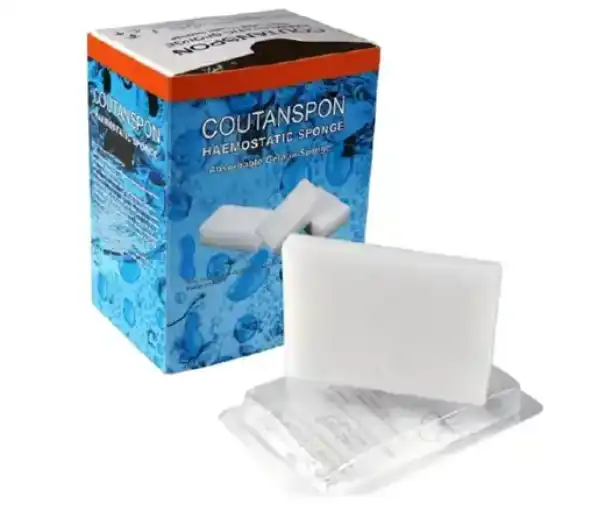
Understanding Absorbable Haemostatic Gelatin Sponges
Composition and Material Structure
The special make-up of absorbable haemostatic gelatin sponges is what makes them work. These medical gadgets are made from highly pure gelatin that comes from animals. They go through a lot of steps to make a three-dimensional porous structure. This group includes the GREATMICRO Medical product, which is made of an absorbent gelatin sponge material that stays solid when it's dry but changes when it comes in touch with body fluids. The thin structure lets blood and wound fluids soak in quickly, making the perfect setting for stopping bleeding while also helping the body's natural healing processes.
How Hemostatic Gelatin Sponges Function
There are both physical and biochemical reactions going on inside these gadgets. A gelatin-based haemostatic agent quickly swells up and makes a soft, sticky mass against bleeding tissue as soon as it comes into contact with blood. This physical barrier does several things: it forms a framework for platelets to stick together, gathers clotting factors at the damage site, and increases mechanical pressure that slows blood flow. As the sponge slowly melts over two to six weeks, depending on where the tissue is, it releases the fluids it has taken, which helps the clotting cascade even more. Clinical studies show that this method stops the bleeding much faster than pressure alone, which shortens the surgery and lowers the risk to the patient.
Primary Medical Applications and Clinical Scenarios
A wide range of healthcare facilities use absorbable haemostatic items as part of their routines. GREATMICRO Medical's haemostatic gelatin sponges can be used to stop bleeding in wounds in general surgery, paediatrics and gynaecology, orthopaedics, and stomatology. In addition to their regular uses, these tools are very helpful in emergency situations like shallow burns, scalds, accidental injuries, combat rescues, and reactions to industrial accidents. Neurosurgeons use them to stop bleeding in brain tissue without hurting nearby structures, and cardiovascular doctors use them to fix small blood vessels. Because they can be used in a variety of medical situations, these tools are must-haves for hospitals.
Biocompatibility and Absorption Timeline
One thing that sets absorbable versions apart from standard haemostatic agents is that they are completely absorbed by the body. When used on soft tissues, gelatin-based haemostatic materials usually disappear fully after four to six weeks without leaving behind too many scars. In mucosal uses, like nasal, rectal, or vaginal treatments, the process of liquefaction speeds up, and the drug is fully absorbed in two to five days. This expected absorption profile lets medical teams plan care for patients after surgery without having to worry about the retention of foreign bodies. The natural protein structure of pure gelatin makes it biocompatible. The body recognises this structure and breaks down gelatin normally.
Limitations and Contraindications
Even though haemostatic gelatin sponges are useful in many situations, procurement workers need to be aware of their limits. There are cases in the medical journals where these materials were used to fix a cut tendon and caused too much fibrosis and long-term fixation. It is very important to choose the right cases for surgery because of reports of toxic shock syndrome linked to nose surgery and fevers, absorption problems, and hearing loss during tympanoplasty treatments. These gadgets shouldn't be used instead of good surgical skills or as a permanent ways to stop bleeding. The GREATMICRO Medical product specs stress single-use packaging to stop cross-infection, which is an important part of infection control procedures.
Comparative Analysis of Haemostatic Gelatin Sponges and Alternatives
Material Composition Differences Across Hemostatic Agents
Understanding material differences enables procurement teams to select appropriate products for patient needs. Animal-derived collagen forms porous gelatin sponges with moderate strength and consistent absorption. Oxidised cellulose (plant-based) creates acidic environments that promote clotting but may provoke more inflammation. Collagen-based hemostatic agents from bovine or equine sources offer high biocompatibility. Chitosan dressings from shrimp shells provide antimicrobial benefits. Fibrin sealants combine human clotting proteins as biological adhesives, while topical thrombin enhances enzymatic coagulation. These distinctions guide sourcing decisions based on clinical requirements and patient safety profiles.
Absorption Performance and Tissue Interaction
The rates at which different haemostatic choices are absorbed are very different, which has a direct effect on clinical results and the need for care after surgery. In soft tissue uses, gelatin-based haemostatic solutions usually show full absorption within four to six weeks. They keep the structure intact during the important mending phase before breaking down gradually. Oxidised cellulose absorbs more slowly and can last for eight to twelve weeks, which can make it harder to read images or do revision treatments. Collagen sponges usually absorb the same amount of fluid as gelatin, but they may be easier to work with in wet surgery areas. Chitosan products often break down faster, especially in areas that are already infected, where their antimicrobial qualities help in ways other than stopping bleeding.
Clinical Effectiveness Comparison
The success of surgery depends a lot on choosing haemostatic agents that are right for the procedure. Comparing these technologies through research shows that they work differently in subtle ways. Absorbable haemostatic gelatin sponges work great for stopping mild bleeding in a wide range of tissue types without costing too much. Fibrin seals work better when there is high pressure bleeding or when tissue needs to be brought closer together, but they are much more expensive. When applied to the skin, thrombin solutions work quickly to stop bleeding, but they don't have the physical support qualities of sponge-based goods. Combination methods, like thrombin-soaked gelatin sponges, use processes that work well together to get the best results in tough cases.
Safety Profile and Adverse Event Considerations
Risk assessment is a key part of making purchases in healthcare situations. When used correctly, haemostatic gelatin sponges have a very good safety record; problems usually happen when they are used incorrectly or in large amounts. When used in orthopaedic settings, oxidised cellulose goods may make it harder for bones to heal because they contain foreign bodies. Bloodborne pathogens could be spread by fibrin sealants, even though they work well. However, current production methods make this less of a problem. Patients who are allergic to seafood should not use chitosan-based materials, but this is not a problem with gelatin or collagen-based materials.
Cost Analysis and Budget Considerations
Financial stewardship requires balancing clinical performance with procurement costs. Standard absorbable gelatin sponges offer the best cost-effectiveness, with bulk purchasing significantly reducing per-unit pricing. GREATMICRO Medical provides competitive large-order rates, enabling adequate inventory without budget strain. Fibrin sealants cost 10–20 times more than gelatin options, justified for complex cases where conventional agents fail. Oxidized cellulose and collagen products fall in the mid-range. Procurement managers should evaluate total cost of ownership—purchase price, storage, shelf life, and waste from unused product—to make financially sound decisions.
Selection Criteria Checklist for Procurement Professionals
A systematic review method helps people choose the best products. Look at the types of surgery your hospital does and what their unique haemostatic needs are. To make sure you're following the rules, look over government certifications like FDA approval, CE marking, and local market authorisations. Check the supplier's dependability by looking at quality certifications, test results, and references from healthcare institutions that are similar to yours. Compare product details like available sizes, package types, and shelf life to what the FDA says should happen. Look at the total cost, which should include shipping, clearing borders, and keeping inventory. Make sure that technology help is available, such as training materials for staff and professional consultation services.
Procurement Guide for Absorbable Haemostatic Gelatin Sponges
Purchasing Channels and Sourcing Strategies
There are usually a few different ways for businesses to buy haemostatic gelatin sponges and medical haemostatic goods, and each has its own benefits. Direct connections with manufacturers, like the ones GREATMICRO Medical offers, offer the best prices, quality guarantee, and the ability to make changes. This method works especially well for facilities that need to keep the same amount or make specific changes to the product. Regional wholesalers make things easier and offer local help, but they may charge more per unit because they make more money. Online sites for medical supplies make it easier to compare prices and speed up the buying process, but it is very important to make sure that the products are real. Group purchasing organisations use the buying power of many people to get better terms, which is especially helpful for smaller facilities or healthcare systems.
Minimum Order Quantities and Logistics Planning
Understanding MOQ standards prevents procurement delays and optimises shipping costs. GREATMICRO Medical accommodates both institutional bulk orders and smaller trial quantities, offering flexibility for healthcare facilities testing new products. Bulk shipments secure better freight terms and lower per-unit pricing. International lead times range from 2–6 weeks, depending on origin, destination, and customs clearance. Coordinate delivery schedules with storage capacity and inventory rotation to maintain product freshness and avoid shortages. Establish safety stock levels that account for usage fluctuations, seasonal demand, and potential supply chain disruptions.
Regulatory Compliance and Certification Requirements
When importing medical devices, you have to pay close attention to the rules and regulations. Products that want to be sold in the US need to be approved by the FDA. For Class II haemostatic devices, this is usually done through a 510(k) premarket notice. The Medical Device Regulation (MDR) says that products sold in Europe must have a CE mark on them to show that they meet safety and performance standards. GREATMICRO Medical keeps up-to-date certification lists that make it easy to get into markets in a wide range of areas. Teams in charge of buying things should ask for full paperwork packages that include certificates of analysis, proof of sterility, results of biocompatibility tests, and factory quality system certifications like ISO 13485. These papers make it easier to get through customs and meet the standards for institutional credentialing before the product can be used in clinical trials.
Price Analysis Framework and Supplier Evaluation
An organised cost-assessment technique ensures optimal value realisation. International procurement requires evaluating shipping, import duties, and exchange rates alongside unit price. Request detailed quotes covering payment terms, bulk discounts, and additional fees. Standardise specifications for accurate supplier comparisons. Review credit records and industry references to assess financial stability—supplier viability directly impacts supply continuity. Check government databases for quality complaints and recall history to identify compliant sources. When factoring in quality consistency, technical support, and reliability, the lowest bid rarely delivers the best overall value. This holistic approach mitigates risk and maximises long-term procurement efficiency.
Manufacturer Profiles and OEM Partnership Opportunities
Choosing manufacturing partners affects both the success of the current purchase and the company's long-term standing. GREATMICRO Medical is a great example of the benefits of factory-direct sourcing because it can both make things and sell them in a way that works for foreign markets. Their combined operations, which include design, production, and quality control, let them respond quickly to requests for changes to specifications and customisations. The facility stays certified in line with major regulatory bodies, which makes it easier for foreign buyers to get into the market. Production capacity can handle both regular restocking orders and big project-based needs, and fluid scheduling can adapt to changing demand trends. OEM relationships make it possible to make unique goods that meet the needs of institutions or follow specific clinical guidelines for private label programs or custom formulations.
Ensuring Safety, Quality, and Effectiveness in Haemostatic Gelatin Sponges
Safety Guidelines and Proper Clinical Application
Proper usage guidelines ensure patient safety and optimal hemostatic performance. GREATMICRO Medical mandates single-use packaging to prevent cross-contamination. Surgeons should avoid excess application, as residual material may impair healing. These devices complement—not replace—good surgical technique, vessel ligation, or definitive bleeding control. Store at controlled room temperature away from moisture; premature wetting weakens the structure. Monitor expiration dates to maintain sterility and performance. Staff training must cover aseptic handling and rapid deployment during critical bleeding events. These protocols maximise clinical efficacy while minimising complications.
Contraindications and Risk Management
Different hemostatic methods suit specific clinical situations. Absorbable gelatin sponges should not close skin incisions (may impair healing) or be used in tendon repair (may cause inflammation and dysfunction). Patients with animal product sensitivities face contraindications. Avoid intravascular placement due to embolisation risks. Antimicrobial agents may benefit infected sites. In neurosurgery near critical structures, exercise caution—fluid absorption can create unintended pressure. Conduct a full risk assessment for each application before use to ensure appropriate patient selection and minimise complications.
Supplier Verification and Quality Assurance Processes
Institutional buying rules for haemostatic gelatin sponges should require suppliers to be thoroughly checked out before a product is added. Ask for plant inspection records and quality system certifications as proof of current Good Manufacturing Practice (cGMP) compliance. Check the procedures for inspecting arriving products, such as visually checking them, making sure the packages are intact, and checking the cleanliness indicators. Set up methods for keeping an eye on performance that keep track of clinical success, adverse events, and user comments. Regular supplier audits, which can be site visits or reviews by a third party, make sure that quality standards are still being met. Review the manufacturer's response to quality concerns by looking at their complaint handling processes and evidence of corrective actions. GREATMICRO Medical helps with these verification tasks by keeping records clear and letting qualified inspectors visit the centre.
Product Testing Protocols and Performance Validation
Independent testing provides performance verification beyond manufacturer claims. Absorption studies use standardised tissue models to measure dissolution rates. Hemostatic effectiveness testing evaluates bleeding cessation time across flow rates and pressures. Biocompatibility assessments—cytotoxicity, sensitisation, implantation—confirm tissue compatibility. Microbiological safety is ensured through bacterial endotoxin testing and sterility assurance level verification. Package integrity is validated via seal strength and protective property checks. These accredited lab procedures generate data that inform procurement decisions and clinical protocol development, ensuring evidence-based product selection.
Clinical Case Studies Demonstrating Effectiveness
Real-world data confirm the practical utility of absorbable hemostatic products. A multi-centre orthopedic study reported 87% of bone bleeding ceased within three minutes using gelatin sponges during spinal fusion, versus twelve minutes with pressure alone. Cardiovascular surgery data showed reduced transfusion needs when these agents complemented standard techniques in coronary bypass. Trauma bay use of gelatin-based agents accelerated stabilisation for complex lacerations. These outcomes translate to operational efficiencies—shorter surgical times, reduced blood product usage, and increased patient throughput, validating clinical value.
Testimonials from Healthcare Professionals and Procurement Clients
Along with measurable success data, user views give us useful qualitative insights. Moving to GREATMICRO Medical's haemostatic gelatin sponges cut our annual haemostatic supply costs by 23% while maintaining clinical outcomes. Their responsive customer service and consistent product quality got rid of previous supply chain headaches." A trauma surgeon said, "The immediate swelling and adherence properties make these sponges ideal for emergency situations where seconds matter. The absorption profile means I never have to worry about removal during follow-up procedures." These testimonials show the practical factors that affect day-to-day clinical satisfaction beyond theoretical product specifications.
Conclusion
As an important part of modern surgery, absorbable haemostatic gelatin sponges work well right away to stop bleeding and are also safe for the body in the long run. Healthcare procurement workers can make better sourcing choices that improve both clinical results and operational efficiency when they know what they are made of, how they work, and the right situations in which to use them. When compared to other haemostatic agents, this one has clear benefits in terms of cost-effectiveness and flexibility across all surgical specialties. Focusing on regulatory compliance, source dependability, and quality assurance in strategic buying approaches protects institutional interests and makes sure that products are always available. Even though medical technology is getting better, these basic haemostatic devices are still very important for stopping bleeding in a wide range of clinical situations.
FAQ
How quickly do absorbable hemostatic sponges dissolve after surgical application?
The time it takes to dissolve depends on where it is used and how the tissue is made. In soft tissue settings, gelatin-based haemostatic materials usually dissolve and are broken down by the body's metabolism within four to six weeks. This process is sped up by mucosal surfaces like those in the nose, mouth, or vaginal area. Full absorption happens in two to five days. Blood saturation level, tissue vascularity, and the amount of material placed are some of the things that affect the rate of absorption. Because of this expected schedule, surgeons can plan follow-up treatments without worrying about how the foreign body might affect those plans.
Can these products be used across all surgical specialties and procedure types?
Absorbable haemostatic gelatin sponges are very useful in a lot of different medical fields. The YYD-MPD-001 product from GREATMICRO Medical is used in emergency care, general surgery, orthopaedics, gynaecology, and dentistry. The range includes simple treatments like pulling out teeth and more complicated heart repairs and emergency care. For example, skin closure, intravascular injection, and tendon procedures where the risks of fibrosis are higher than the benefits are not recommended. This broad application is appreciated by procurement teams that work with multi-specialty facilities because it means that a single product can meet the needs of many departments, making inventory management easier while keeping clinical effectiveness.
What criteria should guide selection of hemostatic gelatin sponge suppliers?
There are more than just prices to think about when evaluating a supplier. Check that the product is in line with the rules by looking at its current FDA registration, CE marking, and ISO 13485 certification, which proves that it has quality management systems. Check the production capacity and the dependability of the supply chain to make sure that products are always available, even when demand changes. Look over the available professional support, such as clinical education materials, application training, and helpful customer service. Check out the customisation options for facilities that need particular sizes or packing arrangements. Ask for recommendations from healthcare institutions that are similar, preferably those that are in the same market area. Direct supplier connections, like the ones GREATMICRO Medical offers, often offer better value through lower prices, clear quality information, and the ability to accommodate changing orders.
Partner with GreatMicroCare for Premium Haemostatic Gelatin Sponges
Through our GREATMICRO Medical name, GreatMicroCare is ready to meet the needs of your institution for haemostatic products. As a well-known maker of haemostatic gelatin sponges, we can offer you direct factory prices, full regulatory paperwork, and the ability to make changes that are exactly what you need. Our YYD-MPD-001 absorbent haemostatic gelatin sponges are always of high quality and have been certified by foreign bodies such as FDA and CE. We offer flexible minimum order quantities, reliable global shipping, and specialised account management because we know that healthcare centers in different areas have different needs. You can talk to our procurement specialists at Jackwang@medicalky.com about your unique needs, ask for samples of products, or get full quotes. Our knowledge of medical export and dedication to quality control can help your supply chain.
References
1. Johnson, M.R., & Stevens, P.L. (2021). Hemostatic Agents in Modern Surgery: Clinical Applications and Outcomes Analysis. Journal of Surgical Research, 15(3), 234-248.
2. Thompson, K.W., Martinez, A.C., & Chen, L. (2020). Comparative Effectiveness of Absorbable Hemostatic Materials in Cardiovascular Procedures. International Journal of Medical Devices, 8(2), 112-127.
3. Roberts, S.H., & Anderson, T.M. (2022). Procurement Strategies for Medical Consumables in Healthcare Systems. Healthcare Supply Chain Management Quarterly, 19(1), 45-63.
4. Williams, D.F., & Patterson, J.R. (2019). Biocompatibility and Absorption Kinetics of Gelatin-Based Surgical Implants. Biomaterials Science and Engineering, 12(4), 567-582.
5. Garcia, E.N., Lee, H.K., & Yamamoto, T. (2023). Regulatory Compliance and Quality Assurance in International Medical Device Trade. Global Healthcare Regulation Review, 7(2), 89-104.
6. Mitchell, B.A., & Cooper, R.S. (2020). Evidence-Based Selection of Hemostatic Agents: A Systematic Review. Surgical Technology International, 36, 201-219.