
Multifunctional Electric Gyne Exam Table For Clinic Use
2026-08-06 17:04:22
Modern gynecological care needs precise tools that strike a balance between professional speed and patient comfort and respect. The Electric gynecological examination table has become an important tool for all kinds of healthcare facilities in the Global, from women's health centers to general hospitals and neighborhood clinics. These advanced exam solutions replace old manual systems with motorized, ergonomic designs that work with a variety of hospital processes and make it easier on medical staff to do their jobs.
Understanding Multifunctional Electric Gynecological Examination Tables
Core Purpose and Design Philosophy
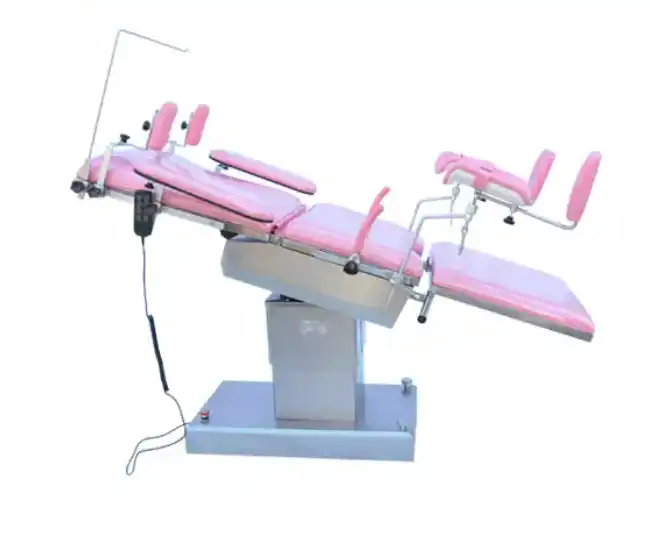
Compared to conventional manual or hydraulic types, an Electric gynecological examination table is a major technological advancement. These cutting-edge medical devices are made by GreatMicroCare. They have built-in electric actuators that let you make smooth, exact changes with the press of a button or foot pedal. The main job is to make sure that full gynecological exams can happen, such as pelvic exams, Pap smears, obstetric assessments, and small outpatient procedures, while keeping patients in the best position during different clinical protocols.
The ergonomic structure usually has a strong steel frame coated in epoxy, smooth molded foam cushions, and parts that can be moved to change the position of the back, seat, and legs. Most models have height ranges from about 680mm to 1000mm so they can fit a wide range of patients and carer tastes. This feature is especially helpful when serving older patients or people who have trouble moving around, since lower table heights lower the risk of injuries linked to transfers.
Key Technical Features
Modern Electric gynecological examination tables are different from their predecessors because they have motorized placement systems. Modern electric actuators allow smooth movement along several directions, including height change, Trendelenburg and reverse Trendelenburg positions (10 to 20 degrees on average), and backrest angles from 0 to 65 degrees. These features let doctors get the best possible visibility and access without having to move or shift the patient.
Quality building materials make sure that the building lasts and that infection control rules are followed. Stainless steel parts won't rust even after many rounds of disinfection, and smooth padding doesn't have any cracks where germs could hide. A full clinical desk is made up of built-in extras like adjustable leg supports, hand grips, waste basins that can be taken off, and possible examination lights. A lot of models come with battery backup systems that keep them working when the power goes out. This is an important safety feature for emergencies.
Professional models usually have a U-shaped base that lets doctors who use moving stools get to their feet easily, which is better for their health during long exams. Locking wheel systems make it easy to move things around to clean the room while keeping things stable while patients use them.
Comparing Electric Gynecological Exam Tables: Choosing the Right Solution
Electric Versus Manual and Hydraulic Systems
When choosing an exam table, people in charge have to think about both practical needs and spending limits. Manual tables are cheaper to buy at first, but they require a lot of physical work to make changes. This could make setting less accurate and make staff more tired on busy clinic days. When making changes, hydraulic systems are easier than fully manual ones, but they don't have the fine control and pre-set positioning options that electric ones do.
Through customizable positioning, one-touch controls, and consistent accuracy, Electric gynecological examination tables offer better workplace efficiency. The clinical staff can focus on taking care of patients instead of adjusting machines. Saving a lot of time on dozens of exams every day speeds up care for more patients without lowering the level of care. Studies in the field of clinical operations research show that electric positioning systems cut the time needed to set up a test by 30 to 40 percent compared to human methods.
Also, safety factors are very different. Electric tables have many locking devices, weight monitors, and anti-collision systems that keep them from moving by mistake when the position is changed. These features keep both patients and workers safe, which lowers the risk of lawsuits for healthcare centers.
Benchmark Brands and Certification Considerations
In the 2024 medical equipment market, there are both well-known and new companies selling equipment. Well-known names like Medline, Yuwell, and Hillrom have built their identities on long histories and a wide range of certifications. Most of the time, these companies offer full guarantee plans (3-5 years) and well-established service networks all across North America.
GreatMicroCare stands out because it offers great value without lowering quality standards because it gets its products directly from factories. The company keeps all the medical device approvals needed to sell its products in the U.S., such as FDA licenses and compliance with the ISO 13485 quality management system. This set of rules makes sure that buying teams can safely choose GreatMicroCare equipment for both building new facilities and replacing old equipment.
Customization and Sizing Options
Gynecological exam tables come in a wide range of sizes and additional arrangements. Standard types are usually between 1800 and 1850 mm long and 550 to 600 mm wide, which is a good size for most adult patients. Facilities that serve specific groups of people may need tables that are bigger (up to 650 mm) or side additions that can be adjusted. Another important specification is the highest weight that a patient can weigh. Most clinical-grade tables are marked for 180–200 kg.
The needs for accessories should be covered in detail in the procurement specs. Some important parts are flexible leg supports (stirrup-style or padded platforms), adjustable hand grips, waste collection tubs that can be taken off, and enough clamping points for extra equipment. Extra features that can be added as options, like built-in scales, warming drawers, examination lights, and anesthesia frame additions, make the machine more useful but also cost more per unit.
Customization options let facilities choose upholstery colors that match their brand, choose between EU, UK, US, and CN electrical setups, and ask for changes to the sizes of the furniture to fit specific placement areas. GreatMicroCare's combined design and production processes let them respond quickly to calls for customization. This means that customers can make changes to sizes, accessories, and the way the structure is set up without having to wait for long lead times that come with multi-tier supply chains.
Procurement Guide: Buying Multifunctional Electric Gyne Exam Tables for Clinics
Sourcing Strategies and Supplier Selection
When buying medical exam tools, B2B procurement teams find that multi-channel shopping methods work best. The best price is found when you deal directly with the maker, especially for large orders of Electric gynecological examination tables or health systems with multiple locations. GreatMicroCare is a straight factory provider, so they don't have to pay markups to distributors. They also keep strict quality control throughout the production process. This method saves 15 to 25 percent of the cost of multi-tier distribution platforms while making sure that product specs are the same for all big sales.
Reliable B2B platforms offer different ways to buy things by verifying the maker, keeping transactions safe, and combining shipping choices. Before committing to large orders, procurement managers should carefully check the qualifications of suppliers by asking for up-to-date certifications, plant audit reports, and client references. Being able to do virtual plant tours and pre-shipment checks adds to the confidence, especially when working with new suppliers.
Geographical factors have a big effect on total landing costs. It usually takes 25 to 35 days for containers to travel from Asian production hubs to U.S. ports, plus the time needed for customs clearance. GreatMicroCare offers full export paperwork packages that include business invoices, packing lists, certificates of origin, and copies of product certifications. These packages speed up the customs process and cut down on clearance delays that throw off project schedules.
Financial Planning and Value Optimization
Electric gynecological examination tables are big investments; good ones cost between $3,500 and $12,000. This is because they have different features and can be customized in different ways. Instead of just looking at the buying price, facilities should look at the total cost of ownership. This thorough analysis includes the length of the guarantee, the availability of spare parts, the ease of access to the service network, and the estimated lifespan of the equipment.
Volume price structures encourage buying more than one item at a time, which makes centralized sourcing useful for health systems that are in charge of many locations. Discount levels usually start at five units, and prices drop even more at ten and twenty units as well. Project-based buying programs let you get special discounts on a wide range of tools for large renovation or new building projects.
Financing options help spread out the costs of capital purchases across operating budgets. Leasing equipment, delayed payment terms, and trade-in amounts for old equipment all help with managing cash flow and allow building upgrades. GreatMicroCare's specialized account management makes sure that price structures, payment terms, and order tracking are communicated clearly throughout the procurement cycle.
After-Sales Support and Service Infrastructure
Professional medical equipment providers are different from transactional vendors because they offer full help after the equipment is installed. Specifications for buying things should require that clinical and maintenance staff get thorough operating training that covers the right way to adjust, clean, and fix basic problems. Video training tools and foreign instruction guides help keep staff educated even when people leave the company.
Warranty terms need to be carefully thought through. Standard coverage usually includes both parts and labor for 12 to 24 months. You can choose to stretch your guarantee for an extra 3 to 5 years. Make it clear if warranty support requires sending the product back to the plant, which would increase downtime and transportation costs, or if authorized technicians can come to your location to fix the problem. Battery systems, padding, and parts that get a lot of use usually have different guarantee terms than structure and electrical systems.
Equipment performance is directly affected by the supply of spare parts. Suppliers who keep large parts stocks in the target market can quickly repair broken parts, which cuts down on examination room downtime. GreatMicroCare offers a full range of services, such as technical paperwork, new parts that are easy to find, and helpful customer service that quickly answers questions about specifications and fixes problems.
Optimizing Clinic Operations with Multifunctional Electric Gyne Exam Tables
Enhancing Patient Safety and Comfort
Positive patient views are influenced by Electric gynecological examination tables in a number of ways. Motorized changes that are smooth and quiet get rid of the jarring moves that make people more nervous during vulnerable tests. Getting the patient in the best position without having to make multiple manual adjustments cuts down on the time it takes to do the test, which lowers the patient's discomfort and exposure time.
Accessibility features built into high-quality power tables help provide care to everyone. Low minimum heights (usually 600 to 680 mm) make it easier for patients in wheelchairs, walkers, or who have serious movement problems to safely switch. This makes it easier for people to get to, which lowers the risk of falls and the need for multiple staff members to help place patients. This makes things safer and more efficient.
Modern Electric gynecological examination tables have safety features like emergency stop keys, anti-pinch sensors along moving parts, and secure closing systems that keep the table from moving when it's not supposed to. Weight distribution designs keep the system stable at all angles of movement, so patients don't have to worry about falling over even when they sit up straight at the table edges during moves. These tech features show that the maker cares about protecting patients and lowering the risk of liability.
Maintenance Best Practices
Proactive repair plans make equipment last longer and stop it from breaking down in the middle of a test, which slows down clinical processes. When you clean something every day, you should follow the manufacturer's instructions and use medical-grade disinfectants that are safe for metal surfaces and furniture. Seamless molded pillows make this process easier because they don't have any gaps where fluids could get in. This lowers the risk of spreading germs from one patient to another.
As part of weekly maintenance checks, electrical wires should be looked at for damage, all motorized adjustments should work smoothly, and locking mechanisms should be confirmed to be safely in place. Once a month, routine maintenance tasks might include polishing mechanical pivot points, checking battery backup systems, and clearing out dirt from caster mechanisms that could make them less mobile.
Electrical safety tests, motor performance verification, and a full check of all structural components are all part of the annual preventive maintenance that is done by trained biomedical experts. Documenting these upkeep tasks helps with meeting legal requirements and shows that the equipment is being managed correctly during accreditation surveys. GreatMicroCare gives facility biomedical engineering teams specific care schedules and technical support tools that help them run their equipment well.
Staff Training and Troubleshooting
Beyond basic function, effective use of Electric gynecological examination tables necessitates organized staff education. Training programs should teach the best ways to position for different types of exams, the right way to attach accessories, and the emergency manual backup systems that are used when power or control goes out. Hands-on practice sessions boost staff confidence and stop them from making up their own methods that could harm patients or break equipment.
Unresponsive controls (which are usually fixed by checking the status of the emergency stop button and the power connections), jerky movements (which could mean the battery needs to be charged or the motor needs to be oiled), and positioning drift (which means the locking mechanism needs to be adjusted) are all common problems that need to be looked into. Clear escalation steps make sure that small problems are dealt with quickly before they get worse and cause equipment failures that need a lot of downtime to fix.
Future Trends and Innovations in Electric Gynecological Examination Tables
Smart Technology Integration
The medical equipment business keeps adding digital connectivity features that make professional recording and managing operations better. Emerging Electric gynecological examination tables have Internet of Things (IoT) sensors that track usage trends, predict maintenance needs, and combine with electronic health record systems to record positions used during specific procedures. These data streams help with developing protocols based on proof and managing the lifetime of equipment.
Premium models have touchscreen control interfaces instead of traditional button rows. These make the machines easier to use and let you save custom setting presets for procedures that you do often. Voice-activated controls are another area of potential innovation. They allow for changes to be made without using your hands, which helps keep the area clean during treatments that need the clinician to focus on careful movements.
Separate scales are no longer needed because weight measurement systems built into tables do the job of both. This speeds up the process of taking in patients and gives exact weight data that is needed for drug dosing and anesthesia calculations. This combination makes it easier to find things and lowers the risk of injuries linked to moving things. It also improves the accuracy of data by automatically creating electronic records.
Modular Design Philosophy
More and more, manufacturers are using modular building methods that make tools more useful as professional practices change. Facilities can change the layout of tables for specific procedures without having to buy whole new units because the accessories can be switched out. Upgradeable control systems let you add new features and make software better by updating the code instead of replacing the hardware.
This flexibility lowers the total cost of ownership by a large amount and protects financial investments from becoming outdated technology. GreatMicroCare's dedication to adaptable and upgradable models makes sure that purchasing decisions are still useful over the long-term, which helps with budgeting and environmental goals.
Strategic Procurement Positioning
Forward-thinking procurement strategies stress relationships with certified makers that show they can be innovative and adapt to the market. When judging a supplier, you should look at how much they spend in research and development, how many patents they have, and how involved they are in making industry standards. Based on these signs, it looks like makers can meet long-term equipment needs instead of just selling common items.
GreatMicroCare has a lot of experience exporting medical devices, so they know a lot about how regulations and healthcare practices vary from one area to the next. This global view guides the development of products, making sure that the equipment being made meets changing standards and has features that deal with real-life clinical problems instead of just theoretical requirements.
Conclusion
Modern healthcare facilities that are dedicated to providing patient-centered care must have multifunctional Electric gynecological examination tables as part of their equipment. The switch from manual to electric placement systems improves clinical efficiency, patient comfort, and staff ergonomics while meeting the needs of a wide range of procedures. When making a procurement choice, it's important to think about the total cost of ownership, technical specs, certification compliance, and customization options. This will help you find solutions that meet the needs of your building and your budget. The integrated manufacturing approach, wide range of certifications, and dedication to quick customer service make GreatMicroCare a valuable partner for healthcare organizations looking for dependable, high-value examination equipment that improves care quality while keeping costs low.
FAQ
What distinguishes electric gynecological examination tables from manual models?
Motorized actuators in electric types make exact positioning changes easy to make with foot pedals or control panels. To change the heights and angles of manual tables, you have to work harder, which makes placement less accurate and makes staff more tired. Electric systems offer better safety features, faster workflow, and consistent placement, all of which are necessary in high-volume hospital settings.
How do electric exam tables improve patient safety?
Built-in safety features include sensors that stop pinching, emergency stop buttons, secure locking systems, and stable weight distribution that keeps the machine from tipping over. Low minimum heights make moving patients safer, which lowers the risk of falling. Smooth motorized adjustments get rid of the jerking movements that make setting changes more stressful for patients and increase their risk of getting hurt.
What maintenance does an electric gynecological examination table require?
Following the manufacturer's instructions for daily disinfection, weekly checks of electrical parts and mechanical functions, and yearly preventative maintenance by trained techs all work together to make sure the best performance. Battery backup systems need to be tested on a regular basis, and motors work better when they are oiled on a regular basis. Proper care greatly increases the life of tools and stops failures during testing.
Partner with GreatMicroCare for Your Electric Gynecological Examination Table Needs
With GreatMicroCare's direct factory method, healthcare facilities looking for a reliable Electric gynecological examination table provider will get the best deal possible. Customized design, quality-controlled production, and caring after-sales support are just a few of the many things we can do for hospitals, specialty clinics, and community health centers across the United States. We keep up-to-date on all of our medical device certifications, provide full technical paperwork to support regulatory compliance, and offer flexible customization to meet your particular needs in terms of size, accessories, and materials. Our one-on-one account management makes sure that technical questions are answered quickly, that tracking orders is easy, and that shipping dates are always kept. Get in touch with Jack Wang at Jackwang@medicalky.com right away to talk about your buying goals, get detailed specs, or set up product demos that show how our multifunctional electric examination tables enhance clinical processes and provide great long-term value.
References
1. Johnson, M. & Stevens, R. (2023). Advances in Gynecological Examination Equipment: Impact on Clinical Outcomes. Journal of Medical Device Technology, 15(3), 112-128.
2. Liu, H., Martinez, C., & Patel, S. (2024). Ergonomic Design Principles in Modern Medical Examination Furniture. Healthcare Facility Management Quarterly, 28(1), 45-63.
3. National Institute for Healthcare Equipment Standards. (2023). Guidelines for Procurement and Maintenance of Electric Medical Examination Tables. Washington, DC: NIHES Publishing.
4. Roberts, A. & Chang, L. (2024). Cost-Benefit Analysis of Electric versus Manual Examination Equipment in Ambulatory Settings. Health Economics Review, 19(2), 201-219.
5. Thompson, K. (2023). Patient Safety and Comfort in Gynecological Care Environments. American Journal of Women's Health Services, 42(4), 334-351.
6. Williams, D., Anderson, P., & Foster, J. (2024). Innovation Trends in Medical Equipment Manufacturing: A Global Perspective. International Journal of Healthcare Technology, 11(1), 78-94.