
Medical Gelatin Hemostatic Sponge for Surgical Bleeding Control
2026-08-06 17:11:34
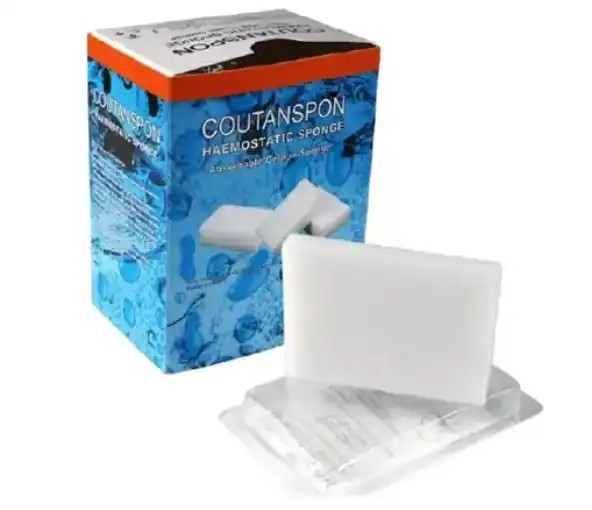
Keeping surgical blood under control is still the most important thing for healthcare centers all over the world. A Gelatin Hemostatic Sponge is a reliable, absorbable product that helps doctors stop bleeding quickly and with as few problems as possible. This medical device, which is made from pure pork skin gelatin, swells up when it comes in contact with blood, creating a physical structure that speeds up the formation of clots and effectively stops bleeding. To help healthcare workers and B2B buyers make smart decisions, we'll talk about composition, comparative benefits, application methods, and buying strategies.
Understanding Gelatin Hemostatic Sponges: Composition and Mechanism
What Makes Gelatin Sponges Effective Hemostatic Agents?
Absorbable Gelatin Hemostatic Sponges are mostly made of pure gelatin, which makes them a clean, porous, and flexible material that can directly interact with blood components. The YYD-MPD-001 from GREATMICRO Medical is an example of this type. It is an off-white sponge that doesn't dissolve in water and was made especially to stop surgical bleeding. The makeup makes sure that it is biocompatible, which means that the body can handle it without having major inflammatory reactions. Biodegradability means that when put in soft tissues, they are completely absorbed within four to six weeks. This means that they don't need to be surgically removed, and there are fewer problems after surgery.
How the Hemostatic Mechanism Works
A gelatin-based hemostatic device quickly soaks up blood and other body fluids when it comes into contact with injured tissue, turning into a soft, sticky mass. This physical barrier helps platelets stick together and starts the clotting process at the damaged site. As the sponge slowly melts, it releases the fluid it has taken. This makes it easier for clotting factors to concentrate and speeds up the formation of a stable clot. Gelatin products are different from thrombin-based or manmade options because their mode of action seems to be more physical than biochemical. This process is very helpful for stopping capillary, venous, and small artery bleeding during surgery, obstetrics, gynecology, orthopedics, stomatology, and trauma emergencies.
Regulatory Certifications and Safety Standards
Medical-grade gelatin hemostatic goods go through a lot of tests to make sure they meet FDA and CE approval standards. This keeps patients safe and opens up the market in more places. GREATMICRO Medical keeps a lot of licenses and technical paperwork that makes it easier to do business abroad and follow local medical rules. The fact that these approvals were given shows that strict quality control measures were followed, from getting the raw materials to sterilizing and packing them. Certified goods help hospitals, specialized medical centers, and community health facilities keep legal and clinical risks to a minimum while still providing uniform hemostatic performance.
Comparing Gelatin Hemostatic Sponges with Other Hemostatic Materials
Evaluating Common Hemostatic Alternatives
Surgical teams and procurement workers come across a number of different hemostatic agents, such as collagen sponges, oxidized cellulose, chitosan-based goods, thrombin formulations, and regular gauze. There are clear pros and cons to each type of material. Collagen sponges can absorb just as much, but they usually cost more per unit. Oxidized cellulose kills bacteria, but it may also cause more tissue damage. Chitosan stops bleeding quickly, but it's not generally used because of cost and legal issues. Thrombin-based products are very good at helping blood clot, but they come with allergy risks and cost more.
Why Gelatin Sponges Offer Balanced Performance
Hemostatic Gelatin Hemostatic Sponges are the best choice for getting the job done while also being safe and saving money. They can hold many times their own weight in blood, easily mould to wound areas that aren't smooth, and work perfectly with other surgical tools without any special training. When compared to regular gauze, gelatin goods cut down on bleeding time by a lot and doesn't leave behind any strange material that needs to be removed. Gelatin sponges are better for people with clotting disorders or who are taking anticoagulant treatment than thrombin forms because they are less likely to cause allergies and don't depend on enzyme activity. Because they can be used for so many things, they are commonly used in general surgery, cardiovascular procedures, neurosurgery, ENT surgeries, plastic repair, emergency care, gynecology, and urology.
Cost-Effectiveness in Bulk Procurement
Value is important to B2B buying managers, but they don't want to sacrifice quality. Gelatin hemostatic items usually have good prices, especially when bought in bulk from the makers. GREATMICRO Medical's factory-direct supply model guarantees stable quality control, good pricing, and the ability to handle big orders from institutions. Bulk rates lower the cost per unit, which helps hospitals and healthcare networks make better use of their budgets. The level of certification affects the price. For example, FDA- and CE-approved goods cost more because they have to follow rules and protect patients.
How to Select and Apply Medical Gelatin Hemostatic Sponges in Surgical Settings
Key Selection Criteria for Procurement Professionals
There are a few things you need to think about when picking the right absorbable Gelatin Hemostatic Sponge. Package sizes range from small ones for dentistry use to bigger ones for surgery on the abdomen or bones. The YYD-MPD-001 from GREATMICRO Medical comes in different sizes to meet the needs of different surgeries. How much blood the sponge can hold before it becomes saturated is called its absorption capacity. This affects how well it works in situations with a lot of bleeding. The standards for sterilization must match medical rules. Common ways to do this are ethylene oxide or gamma irradiation. Because OEMs can customize, institutions can ask for particular sizes, packaging arrangements, or private labeling to fit their brand and practical needs.
Best Practices for Intraoperative Application
When applied correctly, hemostatic agents work best, and patients do better. Before deployment, doctors should check where, how deep, and how bad the bleeding is. You can use the sponge dry or wet with saline to make it easier to bend and stick. Applying light pressure for a few minutes lets the blood soak in and a clot form. Don't apply too much pressure, as that could push clots out of place. Once the bleeding stops, the surgeon can either leave the sponge in place for it to be absorbed normally or take it out if full absorption is not wanted in certain body parts. When other hemostatic techniques, like electrocoagulation or suturing, are used together, they help stop the bleeding in more complicated situations.
Postoperative Considerations and Absorption Timeline
Understanding how intake works helps with tracking after surgery. Gelatin sponges usually break down in four to six weeks in soft tissues, leaving behind very little scar tissue. Within two to five days after being applied to mucosal areas in nasal, rectal, or vaginal treatments, the substance melts. To keep germs from spreading, you have to throw away every single-use package after you open it, even if it's only partly used. Surgical teams should write down where the sponge was placed in the operating notes so that patients can get the right follow-up care and problems can be handled if they happen. Complications like excessive fibrosis, prolonged fixation, or toxic shock syndrome have been recorded, but they are rare. This shows how important it is to choose the right patient and use the right method.
Procurement Guide: Buying Gelatin Hemostatic Sponges for Global B2B Clients
Identifying Reputable Manufacturers and Distributors
For global buying to work, suppliers must be reliable, products must be consistent, and regulations must be followed. GREATMICRO Medical is an example of a reliable company that has a lot of experience exporting medical devices, especially to South America, North America, Europe, and Asia. When you deal directly with a business, you avoid the markups that come from middlemen. This saves you money and makes communication easier. Suppliers who handle design, production, and sales all in-house can quickly reply to requests for customization, the creation of prototypes, and technical confirmation. Full certifications, like FDA and CE approvals, show that you follow foreign quality standards and make it easier to get into markets in other countries.
Evaluating Supplier Capabilities and Support Services
Beyond the quality of the Gelatin Hemostatic Sponge products, procurement experts should also look at the service facilities of the suppliers. Dedicated account management makes sure that technical questions are answered quickly and that orders are tracked and supported after the sale. Stable production schedules and adaptable transportation solutions ensure on-time delivery, which is very important for hospitals that need to keep their stocks low. Strong packing reduces harm during shipping, which lowers replacement costs and avoids problems in the supply chain. OEM manufacturing allows for private labeling, custom branding, and custom specs that set educational products apart or help distributor networks. Confirming specifications before the sale and providing expert support after the sale lowers the risks of procurement and increases the value of the relationship over time.
Practical Steps for Initiating Supplier Relationships
Before starting to work with a seller, you should carefully evaluate them. Ask for samples of the product to see for yourself how good it is, how well it works, and how well the package holds up. Before placing big orders, pilot tests in clinical situations give real-world input. Being open and honest about licenses, manufacturing methods, and compliance paperwork helps build trust and confidence. They offer personalized consultations to make sure that clients' needs are met by the right product designs. Setting clear goals from the start makes sure that deals go smoothly and that everyone in the supply chain is happy.
Conclusion
Choosing high-quality hemostatic drugs that match performance, safety, and cost is important for stopping surgical bleeding. Gelatin Hemostatic Sponges, like GREATMICRO Medical's YYD-MPD-001, effectively stop bleeding in a wide range of medical specialties. They are backed by strict approvals and successful clinical results. Healthcare facilities and B2B buyers can make smart choices when they know about the composition, comparative benefits, application methods, and buying strategies. GREATMICRO Medical is ready to meet the world's demand for absorbable hemostatic solutions that improve patient care and business efficiency. They offer direct factory supply, full customization, and dedicated support services.
FAQ
What are gelatin hemostatic sponges primarily used for in surgical settings?
During surgery, trauma care, pregnancies, gynecology, orthopedics, stomatology, and emergencies, absorbable Gelatin Hemostatic Sponges stop the bleeding. They control small artery, capillary, and venous bleeding by helping blood clot quickly by supporting the matrix and allowing platelets to stick together. It can be used for burns, scalds, military relief, and trauma from workplace accidents, and it works well at stopping bleeding in a wide range of clinical situations.
Are there any contraindications or allergy risks associated with gelatin sponges?
Most people can handle gelatin hemostatic devices well, but doctors shouldn't use them on people who are known to be allergic to goods made from pork. In very few cases, it has been linked to hearing loss, toxic shock syndrome, excessive fibrosis, and prolonged fixation. These side effects can happen when the drug is used incorrectly or in large amounts. Choosing the right patient, following the method exactly, and keeping good records during surgery all help lower risks and improve safety results.
How should healthcare facilities dispose of used gelatin hemostatic sponges after surgery?
Used hemostatic items that are absorbed naturally by the body and don't need to be taken out by hand. Biohazard trash guidelines for institutions say that outer packaging and unused parts should be thrown away so that infections don't spread. Each single-use package is only meant to be used on one patient at a time. This keeps things clean and in line with infection control rules.
Partner with GreatMicroCare for Reliable Hemostatic Solutions
GreatMicroCare gives you direct access to GREATMICRO Medical's approved absorbable Gelatin Hemostatic Sponges. These sponges are priced lower than those bought directly from the plant without sacrificing quality. As a reputable company that makes Gelatin Hemostatic Sponge, we offer choices for buying in bulk, OEM customization, and personalized support that is tailored to the needs of your institution. Our combined production and sales operations allow for quick changes to designs, testing of prototypes, and technical confirmation, making sure that the goods we send you meet all of your requirements. Full licenses and technical paperwork make compliance and customs processing easier. Visit www.greatmicromed.com or email our dedicated team at Jackwang@medicalky.com to get free samples, thorough quotes, and to learn how our hemostatic gelatin solutions can improve the results of your surgery and the efficiency of your sourcing.
References
1. Humphreys, M. R., et al. "Gelatin Matrix Hemostatic Sealant Use in Urologic Surgery." Journal of Endourology, vol. 23, no. 9, 2009, pp. 1461-1465.
2. Sabel, M., and Stummer, W. "The Use of Local Agents: Gelatin Sponge and Fibrin Sealant in Neurosurgery." European Surgical Research, vol. 33, no. 5-6, 2001, pp. 408-414.
3. Kheirabadi, B. S. "Evaluation of Topical Hemostatic Agents for Combat Casualty Care." Military Medicine, vol. 176, no. 7, 2011, pp. 48-57.
4. Achneck, H. E., et al. "Pathophysiology of Bleeding and Clotting in the Cardiac Surgery Patient: From Vascular Endothelium to Hemostatic Factors." Circulation, vol. 122, no. 20, 2010, pp. 2068-2077.
5. Schonauer, C., et al. "The Use of Local Agents: Bone Wax, Gelatin, Collagen, Oxidized Cellulose." European Spine Journal, vol. 13, no. Suppl 1, 2004, pp. S89-S96.
6. Ereth, M. H., et al. "Comparative Safety and Efficacy of Topical Hemostatic Agents in Surgery." American Journal of Surgery, vol. 195, no. 2, 2008, pp. 191-200.