
ABS Hospital Bedside Cabinet with Storage for Ward Medical Room
2026-08-07 20:53:47
Choosing the right medical furniture has a direct effect on how well modern healthcare facilities run, how happy their patients are, and how well they keep infections under control. A Hospital Bedside Cabinet from ABS is a very important purchase for medical rooms because it is built to last and is designed with cleanliness in mind. This complete guide talks about the important things that procurement managers, hospital directors, and healthcare facility planners need to think about when choosing storage solutions that are safe, useful, and long-lasting. If decision-makers understand the technical details, material benefits, and buying strategies described here, they will be able to improve the settings of their wards while staying within their budgets and following the rules.
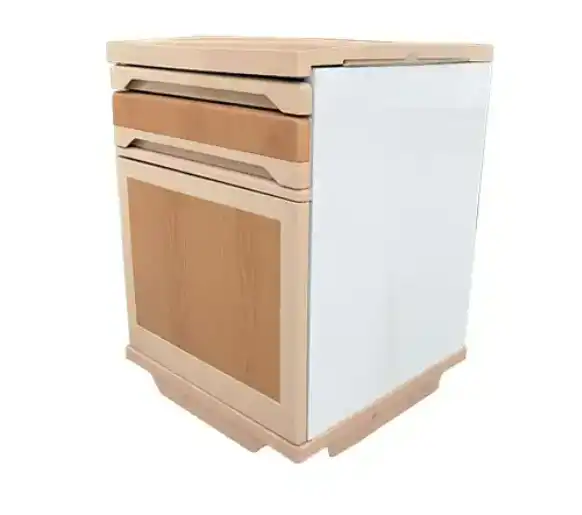
Understanding ABS Hospital Bedside Cabinets for Medical Wards
What Makes ABS Material Ideal for Hospital Environments
ABS (Acrylonitrile Butadiene Styrene) has become a popular material for making hospital furniture because it is both long-lasting and easy to clean. Traditional wood cabinets soak up water and germs, and metal units rust when they come in contact with cleaning products. But ABS surfaces don't react with chemicals and keep their structural integrity. Because ABS isn't porous, microbes can't grow on it. This makes it an important part of infection control plans. Healthcare facilities that have strict cleanliness rules find that ABS Bedside Cabinets can be disinfected many times without losing their surface, which saves money in the long run.
Standard Configurations and Size Specifications
Hospital Bedside Cabinets are usually 440mm to 500mm wide and 790mm to 800mm tall to fit normal bed heights. The KY-KH8943-1 model has measurements of 440×460×790mm, which makes it perfect for small ward layouts while still having enough storage space. When a steel spray building is mixed with ABS parts, a hybrid design is made that combines the strength of metal structures with the cleanliness of polymer surfaces. This arrangement works especially well in general hospitals, specialized treatment centers, and facilities for caring for the elderly, where making the best use of the room and ease of entry are still very important.
Compliance with Healthcare Safety Standards
Medical furniture used in U.S. healthcare situations has to meet strict rules about the safety of the materials, the security of the structure, and the ability to resist fire. Manufacturers of good products give full approval paperwork that includes test results for chemical protection, load-bearing capacity, and antimicrobial qualities. These licenses make it easier to get things approved for purchase and make sure they work with the standards set by groups like The Joint Commission. To make sure that the new equipment works well with the current equipment in the ward, procurement teams should make sure that suppliers provide all the technical details and papers needed for compliance.
How to Choose the Right Hospital Bedside Cabinet for Your Medical Ward
Assessing Ward-Specific Storage Needs
Different hospital settings have different storage needs based on the amount of illness and treatment plans for each patient. Intensive care units need Bedside Cabinets with locked medicine drawers and built-in sharps disposal options, while rehabilitation rooms benefit from open shelving that promotes patient freedom. The first step in the decision process is a careful look at the things that need to be stored, such as personal items, medical supplies, tracking equipment, and hygiene products. Including the nursing staff in the assessment part can help you figure out how to best set up the cabinets based on their work habits and mobility needs.
Material Comparison: ABS Versus Traditional Alternatives
When procurement managers look at different desk storage choices, they have to balance how well they work with their budgets. Here are the main reasons why ABS building is better than wood and metal alternatives:
- Hygiene Performance: ABS surfaces don't have the pores that layered wood does, so they stop water from getting in and germs from growing, which hurts efforts to stop infections
- Maintenance Economy: Because ABS is resistant to chemicals, it doesn't need to be replaced as often. Surfaces keep their look and structural integrity even after being exposed to hospital-grade disinfectants every day
- Weight Considerations: The overall unit weight is less with ABS parts than with solid metal construction, which makes it easier for care staff to move the patient while still keeping it stable
- Cost Structure: At first, the prices may be higher than for basic metal choices, but the longer service life and lower upkeep needs make the total cost of ownership better
These material benefits directly translate into practical benefits, cutting down on cleaning work while making it easier to follow the Centers for Disease Control and Prevention's guidelines for preventing infections.
Key Product Features to Prioritize
Modern hospital Bedside Cabinets have features that make them useful beyond just storing things. Drawers that can be locked keep controlled drugs and patient valuables safe, which meets both legal needs and liability concerns. Different-sized items, from big hospital tools to small personal care items, can fit on adjustable shelving systems. Swivel casters with locking systems make it easy to move things around while cleaning the room, and keep them stable while patients use them. These important features are built into our KY-KH8943-1 model, which has a small footprint. This shows how careful design can increase usefulness without taking up floor space.
Evaluating Supplier Capabilities and Support Services
To find a trusted Bedside Cabinet maker, you need to look at more than just the quality of their products. When you buy something from a direct factory, you can be sure of its quality because the production processes are all connected. You can also make changes to meet specific size or function needs, and communication is easier, which speeds up the order fulfillment process. GreatMicroCare keeps a full set of certifications for medical devices that are sold in foreign markets. These certifications are backed up by technical paperwork that makes it easier to clear customs. We can schedule our output so that it can handle both small orders for building renovations and big orders for building new hospitals.
Optimizing Storage and Organization in ABS Hospital Bedside Cabinets
Strategic Interior Layout Design
To organise medical bedside storage well, you must first know how often and how easily it is to get to the things you store. The top drawers should hold goods that are used often, like thermometer covers, gloves, and patient hygiene products. The lower sections should hold items that aren't used as often or personal items. Using drawer dividers keeps small things from moving around when the Bedside Cabinet is moved and helps staff find supplies quickly when they are needed. Strategically placing things cuts down on the time needed to look for them, so healthcare workers can focus on caring for patients instead of managing their inventory.
Modern Integration Features
Modern Bedside Cabinets are getting more and more technological features that help with modern healthcare. With built-in power plugs, medical devices, tablets, and patient entertainment systems can be charged at the bedside without having to use extension wires, which can be dangerous if they get tangled up. With the optional IV pole attachments, the cabinet can be turned into a multi-purpose care station that puts all of the patient's tools in one place. These additions show how well-thought-out product design can anticipate the needs of clinical processes while still fulfilling the main storage function. Healthcare centers that use electronic medical records benefit the most from having power outlets at each bedside. This is because it allows for mobile recording practices that make tracking more accurate.
Maintenance Protocols for Extended Service Life
If you take care of your ABS hospital furniture the right way, it will keep working well and looking good for a long time. Cleaning surfaces every day with hospital-approved disinfectants gets rid of surface germs without changing the properties of the material. The surface of ABS isn't porous, so cleaning solutions can't soak in. This keeps the material from getting streaks and discolorations that happen with cheaper materials. Checking the caster wheels and door parts on a regular basis can help find wear before they stop working. Setting up regular care schedules for Bedside Cabinets stretches their useful life while keeping up with the hygiene standards needed for patient safety and legal compliance.
Procurement Strategies for ABS Hospital Bedside Cabinets in Bulk
Understanding Price Structures and Cost Variables
The price of medical furniture is based on more than just the cost of making it. Asking for customizations like non-standard sizes, special finishes, or custom accessory arrangements adds costs for engineering and tools that change the unit price. The cost of international shipping depends on how many items you buy. When you combine packages, you can save money on shipping costs per unit. When planning big hospital projects, procurement managers should ask for specific quotes that break down these costs into their individual parts. This way, they can make accurate budgets and compare different vendors. Seasonal sales and discounts for buying in bulk are two more ways that smart buyers save money and get the most out of their capital expenditures.
Navigating the Complete Ordering Process
Clear sharing of requirements is the first step to successful bulk buying. Setting clear standards between the buyer and the seller about things like sizes, colors, accessories, and delivery times is important for both parties. Manufacturers with a good reputation will reply with formal quotes that prove they understand the specifications and include production and shipping wait times. During the customization process, facilities may need to approve samples, especially when they want to make changes to regular product lines. When coordinating furniture transport with building or facility renovation plans, lead time becomes very important. Our dedicated account management method makes sure that procurement teams are always kept up to date on the state of orders, production goals, and shipping plans.
Logistics and Installation Support
Comprehensive seller services include more than just delivering the product. They also include coordinating the installation and providing help after the sale. The quality of the packaging has a direct effect on the state of the product when it arrives. Strong materials protect Bedside Cabinets during foreign shipping. Clear building instructions and technical help cut down on the time it takes to install and the number of mistakes that can happen during setup, which could affect how well the product works. When there is after-sales service, buying managers can be sure that practical problems will be fixed quickly.
Trends and Innovations in Hospital Bedside Cabinets
Modular Design Approaches
The healthcare industry values furniture systems that can change to meet new treatment needs without having to be replaced completely more often. Modular Bedside Cabinet designs have parts that can be switched out, like drawer setups, shelf layouts, and accessory attachments, so they can be used with different storage needs. This adaptability is especially useful in wards that are used for more than one thing, like when different types of patients or treatment methods come in and out. When facilities invest in adaptable systems, they lower their long-term furniture costs while keeping the setting flexible so that operations can be changed as needed.
Smart Technology Integration
Modern hospital Bedside Cabinets now have computer parts that make them more useful and easier to keep an eye on. Some rooms have electronic locking systems that keep track of who has access and support drug security measures and audit trail needs. Adding charging stands with USB ports to healthcare areas is a way to deal with the growing number of mobile devices. Weight-sensing shelves can send messages to stocking systems when supplies run low, which helps automatic replenishment systems work. These technology additions aren't always possible, but they show how medical furniture is changing and will appeal to facilities that want to completely digitally change their operations.
Sustainability Considerations
Environmental duty is becoming more and more important in all areas of healthcare buying. By making eco-friendly ABS products, manufacturers are reducing their reliance on oil while still meeting material performance standards. Design methods that focus on sturdiness and repairability make products last longer, which cuts down on the waste that comes from replacing furniture. When evaluating suppliers, buildings that want to get green building standards or meet sustainability goals should ask about environmental factors. When environmental stewardship and useful performance come together, it shows that responsible buying doesn't have to mean sacrificing quality or patient results.
Conclusion
Choosing the right hospital bedside storage is a strategic choice that affects the standard of care for patients, the efficiency of staff, and the long-term costs of running the hospital. ABS construction has many appealing benefits over traditional materials, mixing excellent hygiene performance with long-lasting durability and easy upkeep. To do a good job of procurement, you need to carefully look at the needs of each ward, the performance features of the materials, and the supplier's skills. The things this guide talks about give healthcare center managers the information they need to make smart choices that balance short-term budget needs with long-term value creation. By buying good medical furniture from reputable companies, you can make sure that the wards support professional excellence while still meeting the safety and comfort standards that patients demand.
FAQ
What advantages does ABS material offer over metal or wood for hospital bedside storage?
Because its surface isn't porous, ABS is better for cleanliness than wood and metal options because bacteria can't grow on it. Harsh disinfectants can be used on the material over and over again without damaging the surface, so it keeps its look and structural stability for long periods of time. The lighter weight compared to solid metal construction makes it easier to move, and the resistance to chemicals gets rid of the rust problems that come with cleaning solutions touching metal frames.
Can bedside cabinets be customized to fit specific ward layouts and functional requirements?
Reputable makers let you make a lot of changes, like choosing the size, colour, number of drawers, and how accessories are integrated. Buildings that have specific storage needs or limited room can work directly with engineering teams to create new designs that keep the building's structure strong while meeting those needs. Customisation usually involves going over the specifications, giving approval to an example when it's needed, and being clear about how the wait time will affect things.
How do ABS bedside cabinets support infection control protocols in medical environments?
The smooth, non-porous surfaces of high-quality ABS construction stop water from getting in and microbes from growing, which hurts efforts to stop infections. Standard hospital disinfectants make it easy to get rid of surface germs without the need for special tools or time-consuming upkeep processes. Material selection that puts cleanliness performance first is an important part of infection control methods that protect patients who are more likely to get sick.
Partner with GreatMicroCare for Your Hospital Bedside Cabinet Requirements
Large and small hospitals all over the United States trust GreatMicroCare to provide the best Bedside Cabinets for all of their medical room projects, from small repairs to complete new builds. Our integrated production capabilities ensure consistent quality through strict inspection routines, and our customisation skills meet specific size and function needs that standard goods can't meet. Direct relationships with factories cut out the costs of middlemen, which goes straight to buying budgets without affecting the quality of the goods or the speed with which they can be delivered.
We know that getting medical equipment that works well requires more than just finding the best price. It also needs to be delivered on time, come with full paperwork, and have helpful expert support. Our experienced team offers personalised account management to make sure that you get quick answers to questions about specifications, reports on the state of your order, and support needs after delivery. Complete certification files make it easier to follow regulations and get foreign packages through customs, and a flexible production schedule lets you meet tight deadlines for projects.
Contact our team at Jackwang@medicalky.com right away to talk about your specific bedroom storage needs, get full product specs for our KY-KH8943-1 model, or look into ways to buy in bulk that will help you get the most out of your furniture purchase. We'd love the chance to show you how our production skills and focus on the customer can help you reach your goal of providing excellent patient care through better building infrastructure.
References
1. American Hospital Association. (2022). Guidelines for Healthcare Facility Furniture Selection and Infection Control. Chicago: AHA Press.
2. Centers for Disease Control and Prevention. (2021). Environmental Infection Control in Healthcare Facilities: Recommendations and Standards. Atlanta: CDC Healthcare Infection Control Division.
3. Healthcare Facilities Symposium & Expo. (2023). Modern Materials in Medical Furniture: Performance and Safety Considerations. Conference Proceedings, Chicago.
4. Institute for Healthcare Improvement. (2022). Optimizing Patient Room Design for Safety and Efficiency. Boston: IHI Publications.
5. The Joint Commission. (2023). Standards for Hospital Furniture and Medical Equipment: Compliance Requirements. Oakbrook Terrace: Joint Commission Resources.
6. Zhang, M., & Richardson, K. (2023). Antimicrobial Properties of Polymer Materials in Healthcare Settings. Journal of Healthcare Engineering, 15(3), 245-267.