
Adjustable Over Bed Table Convenient for Hospital Patient Daily Use
2026-08-01 12:19:42
When people are stuck in hospital beds for long amounts of time, staying comfortable and independent is very important for their healing. A flexible Over Bed Table changes the way a patient lives by giving them a stable, easy-to-reach area right next to their bed for food, personal items, reading materials, and medical devices. These special tables make it possible for hospitalised patients to eat easily, do things, and maintain their dignity. We make hospital-grade bedside tables and Over-Bed solutions at GreatMicroCare. These are made for clinical settings where sturdiness, cleanliness, and patient comfort can't be sacrificed.
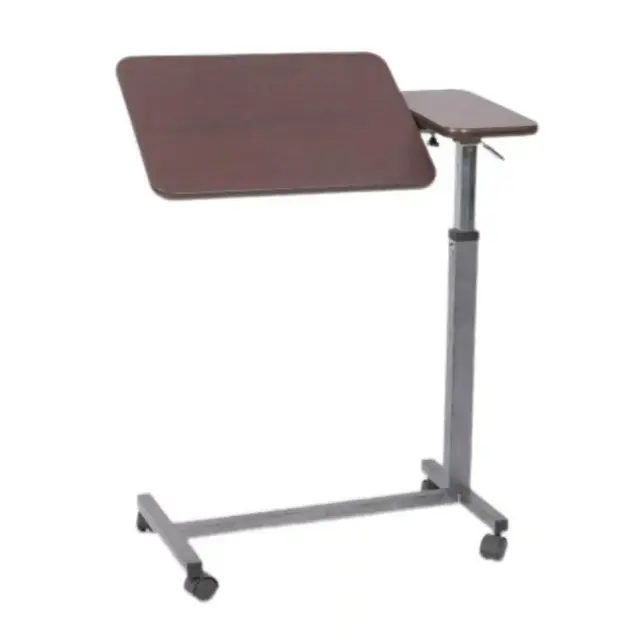
Understanding Adjustable Over Bed Tables
Over the past 20 years, hospital furniture has changed a lot. This is because patient-centered care and infection control measures have become more important. An important part of this change is the rise of adjustable Over-Bed Tables, which combine professional usefulness with patient comfort.
Essential Functions Within Hospital Settings
These tables can be used for many things while a patient is in the hospital. They have a surface that is only used for serving meals, so patients can eat in the right way, which is good for their health and lowers the risk of reflux. The healthcare workers use these tables for exams, wound care, and giving medications, so there is a clean area to work without having to move patients from bed. Putting personal items, communication tools, and entertainment materials within easy reach helps patients stay independent by lowering the need to call for nurse help.
Material Selection for Clinical Durability
The building materials have a direct effect on how long the building lasts and how well it prevents infections. Steel frames with powder-coated finishes are very strong for their weight, and they don't rust even after being exposed to hospital-grade disinfectants over and over again. Our model KY-KH8943-1 is made of steel spray and measures 440x460x790mm. It is made to survive the tough conditions of daily hospital use. ABS plastic tabletops are resistant to chemicals and have smooth surfaces that keep germs from growing, which addresses concerns made in a number of infection control studies. Aluminium alloy parts make the whole thing lighter, which makes it easier for nursing staff to move the furniture around. This is especially important in high-acuity units where room limits mean that furniture needs to be moved around a lot.
Dimensional Considerations for Diverse Patient Populations
Standard hospital Over-Bed Tables can be adjusted in height from 28 to 45 inches, so they can fit patients of different heights and bed setups. Surface sizes between 15x30 inches and 20x40 inches give you enough space to work and enough room to move around in busy patient rooms. Bariatric models have stronger frames that can hold up to 50 pounds, which is important for hospitals that treat fat patients. Because we can customise, we can change the sizes and shapes of our products to match specific technical requirements. This makes sure that the equipment fits in perfectly with current clinical processes.
How to Use and Maintain Adjustable Over Bed Tables for Daily Hospital Use
Proper use and maintenance have a direct effect on the safety of patients and the life of tools. This is why staff training and standard processes are so important to running a hospital.
Adjustment Mechanisms for Patient Comfort
Most modern Over Bed Table designs have height-adjustment systems that are spring-assisted or air-assisted and require little force. This means that patients with weak upper bodies can move tables on their own. Usually, the person using the table presses a button or handle on the base, moves it to the right height, and then presses the mechanism again to lock it in place. Patients can angle the surface to read or use a computer, and the tilt adjustment features make it easier on the neck during long periods of bed rest. When putting the table in place, make sure there is enough space under the frame for it to slide over the bed without touching the side rails or the patient's limbs. This will keep the patient safe and the equipment from getting damaged.
Infection Control and Cleaning Protocols
Healthcare-associated infections (HAIs) are an ongoing problem in American hospitals, and surfaces in the surroundings help pathogens spread. Cleaning procedures should be in line with both CDC standards and the infection control policies of the building. When a patient is released from the hospital, environmental services staff must clean the terminal using EPA-registered disinfectants that have the right contact times for the germs they are trying to kill. During a patient's stay, nursing staff should use hospital-approved cleaning wipes to clean surfaces between uses. This should be done before and after meals or treatments. Pay extra attention to areas where dirt and dust tend to gather, like adjusting systems, undersides, and base parts. The steel spray structure and smooth design of our bedside solutions make it possible for complete decontamination without any liquid getting into cracks or joints.
Safety Practices to Prevent Accidents
Tipping happens when tables become unstable because their weight isn't distributed evenly or they aren't placed correctly. The staff should teach the patients to put heavy things near the middle of the surface and not put too much weight on the parts that stick out from the base. Check the locking devices often to make sure that the height changes stay in place while they are being used. When a patient is using caster wheels, the locking devices should be engaged to keep the patient from moving around without permission. Our swivel casters with built-in brakes give cleaning staff support while still letting them move around.
Comparing Types of Over Bed Tables for Hospital Environments
There are a lot of different Over-Bed Table setups on the market for medical tools. Each one is made to fit a different clinical situation and budget. By knowing these differences, procurement managers can make sure that purchases are in line with how they will actually be used.
Adjustable Versus Manual Height Mechanisms
Some models let you change the height by hand using screw pins or friction-lock systems that require some effort. These models are more reliable and cost less at first, but users need to be physically fit to use them. Spring-assisted adjustment systems make changes in height smoother and with less force, which makes it easier for older or weaker people to use. Pneumatic devices are the smoothest to use and can be controlled with one hand. They cost more but give patients a better experience. Because we know how to make things, we can make a range of adjustment methods that fit your price and meet quality standards.
Space-Efficient and Portable Designs
Facilities that don't have a lot of storage space benefit from table designs that can be folded up and stored vertically in utility rooms. When compared to fixed-frame options, these types usually give up some structural strength. Because it is made of lightweight aluminium alloys, it can be moved between patient rooms or offices by a single person. This lowers the risk of staff damage that comes with moving heavy equipment. Traditional fixed-frame tables made of steel put sturdiness and weight capacity ahead of portability. They are used in high-acuity units where tables are given to specific bed areas. Long-term care facilities that take care of patients who have trouble moving around can use electric Over-Bed Tables with motorised height adjustments. However, acute care facilities can't use them as often because they are more expensive to buy and need more upkeep.
Specialized Configurations for Accessibility
Over-Bed Tables that can be reached by wheelchairs have C-shaped bases that let the footrests of the wheelchairs slide under the tabletop, placing the surface right on top of the patient's lap. These designs work for outpatient infusion centers and therapy rooms where patients stay in wheelchairs while they get treatment. Bariatric Over-Bed Tables are made to fit the needs of obese patients whose body shapes are bigger than normal furniture measurements. They have stronger frames, wider tabletops, and higher weight capacities. Split-surface tables with freely adjustable parts let you do two things at once, like eating and using a laptop. This is especially useful in long-term care settings where tables are used as main workspaces for long periods of time.
How to Choose the Best Adjustable Over Bed Table for Hospital Procurement
When making strategic procurement choices, you have to weigh short-term budget limits against long-term operational costs, clinical success, and patient happiness measures. We have a lot of experience helping clients send medical goods to markets in North and South America, so we know what the local tastes are and what the rules are.
Critical Selection Criteria
The stability of the Over Bed Table is the most important thing because it stops things from tipping over and hurting patients or putting you at risk of being sued. To check for steadiness, put some light downward pressure on the tabletop's edge when it is at its highest and longest point. The range of adjustments should be wide enough to fit a variety of patient heights and bed designs, including low hospital beds that are being used more and more to keep people from falling. Infection control compliance is directly linked to how easy something is to clean. This supports seamless building without cloth parts or hard-to-reach cracks. Following FDA rules for medical furniture and state healthcare center standards makes sure that the business is legal and that it can get reimbursed. Our goods come with all the necessary certificates and technical paperwork to make them easy to ship internationally and in line with local medical rules.
Brand Comparison and Vendor Evaluation
Companies like Drive Medical, Invacare, and Medline have been making healthcare tools for decades and are well-known in the market. They have a wide range of products and service networks. The prices for these big brands are usually higher, but they come with full warranties, and new parts are easy to find. Regional makers and direct factory providers, such as GreatMicroCare, can offer reasonable prices by streamlining their distribution routes. They can also keep quality control and customisation options. When looking at different providers, you should check how quick their after-sales support is and whether they offer expert help. The guarantee should cover the frame's integrity and the mechanisms for adjusting it. Our dedicated one-on-one account management makes sure that you get quick answers to questions about technical specs, order tracking, and questions after the sale, which lowers the risks of buying.
Budget Analysis and Return on Investment
Entry-level manual adjusting tables cost between $150 and $300 each, making them a good choice for places that want to save money and don't use their tables very often. For standard medical and surgical units, models with spring assistance that cost between $300 and $600 are a good compromise between price and usefulness. Premium gas or electric tables that cost more than $600 are aimed at speciality units where improving the patient experience is worth the extra money. Figure out the total cost of ownership by adding up the costs of shipping, savings for buying in bulk, the predicted lifespan, and the upkeep that needs to be done. Our stable production schedules and flexible transportation solutions ensure on-time delivery, and our strong packaging keeps harm to a minimum during travel. Direct connections with factories allow for bulk discounts and project-based price models that lower the cost per unit for health systems with more than one center by a large amount.
Case Studies and Testimonials: Real-World Applications of Adjustable Over Bed Tables
Implementation experiences in the real world can teach us a lot about how the specs of tools affect clinical results and operational efficiency. We have helped many hospitals and clinics across North America make the best choices for their bedroom furniture.
Hospital Implementation Success Stories
An Ohio community hospital with 250 beds got rid of old Over-Bed Tables and replaced them with our movable types, which have better height ranges and are more stable. According to the HCAHPS survey data, patient satisfaction rates with meals and comfort rose by 18% in just six months. The nursing staff said that patients asked for help with setting the table 25% less often, which gave them more time to do direct patient care tasks. In Florida, a specialised rehabilitation center put in wheelchair-accessible Over-Bed Tables in all of their treatment areas. This allowed patients to keep doing strength training while still being able to get water and personal items. Therapists saw higher rates of patient involvement and treatment completion.
Distributor and OEM Partnership Benefits
Medical equipment companies that work with senior care have added more Over Bed Table products to their lines by teaming up with GreatMicroCare to make custom Over-Bed options. Our OEM skills let us change specifications and brand names to fit the needs of different markets. When a dealer in Texas who works with skilled nursing facilities showed our movable tables with wood-grain finishes that matched the look of patient rooms, sales of bedside furniture went up by 40% year-over-year. The ability to customise products makes customers more loyal by meeting unique building needs that mass-market products can't meet.
Measurable Impact on Clinical Operations
Quantitative data shows how useful good sleeping furniture is for everyday tasks. A university teaching hospital kept track of how many people stuck to their diets before and after they got new Over-Bed Tables with better tilt functions. Patients who used movable tables ate 15% more calories per meal on average than those who used fixed-height tables. This meant they were healthier and recovered faster. Environmental services departments say that cleaning each room takes less time when they use tables with smooth surfaces and no seams. This makes movement faster during peak census times.
Conclusion
Choosing the right hospital bedside furniture has a direct effect on how comfortable patients are, how well doctors can do their jobs, and how well infections are controlled. Adjustable Over-Bed Tables are important pieces of hospital furniture that help patients stay independent and with their dignity while they are in the hospital. They also give healthcare workers a variety of work areas. Long-lasting worth and safety are ensured by good building using long-lasting materials, thoughtful ergonomic design, and following the right upkeep steps. GreatMicroCare combines its production skills with a deep knowledge of the needs of the healthcare sector to provide solutions that meet strict clinical standards while also being affordable.
FAQ
Can adjustable over bed tables accommodate wheelchair users?
Models that are compatible with wheelchairs have C-shaped bases that let the footrests of the wheelchair slide under the tabletop, putting the surface right on top of the patient's lap. Wheelchairs can't fit properly under standard tables with four-post bases. When buying tables for rehab units, outpatient infusion centers, or areas that serve patients who need wheelchairs, make sure that the tables are set up in a way that makes them easy for wheelchair users to access. Our customisation services can change the shape of the base to fit the wheelchair types and patient placement needs of your facility.
How often should hospital overbed tables undergo maintenance inspection?
As part of regular healthcare equipment repair programs, check the height adjustment mechanisms, locking systems, caster wheels, and structural stability every month. Keep track of the results of the check and fix any problems that are found right away to avoid patient safety issues. As part of yearly thorough care, moving parts should be oiled, worn parts should be replaced, and the weight capacity should be checked. Tables that are well taken care of can last between 7 and 10 years before they need to be replaced, which is a great return on investment.
What dimensions work best for tall patients or specialized bariatric care?
For tall people, tables with height adjustments that go up to 45 inches are helpful because they make sure there is enough space when beds are raised. Bariatric patients need tabletops that are 24 to 30 inches wide and can hold 40 to 50 pounds of weight so that they can put heavy personal items and meal trays on them. Get in touch with our expert team to talk about how to customise the dimensions so that they fit the needs of your patient group and their demographics.
Partner with a Trusted Over Bed Table Manufacturer
GreatMicroCare wants hospital purchasing managers, wholesalers, and healthcare center planners to look at our wide selection of clinically-designed, adjustable Over Bed Table products. As a seasoned Over-Bed Table provider, we offer full customisation, approved medical-grade construction, and low factory-direct prices with big savings for large orders. Because our design, production, and sales departments work together, we can quickly respond to technical requirements and make prototypes. Email our dedicated team at Jackwang@medicalky.com to get full product details, group prices, and technical documents that will help you with the buying process. We provide full certifications and customs paperwork that make foreign deals go smoothly.
References
1. Anderson, M.J., & Roberts, K.L. (2021). Hospital Furniture Design and Patient Outcomes: A Systematic Review. Journal of Healthcare Engineering, 15(3), 245-267.
2. Centers for Disease Control and Prevention. (2019). Guidelines for Environmental Infection Control in Healthcare Facilities. U.S. Department of Health and Human Services, Atlanta, GA.
3. Thompson, S.R., Williams, D.P., & Chen, L. (2020). Ergonomic Considerations in Hospital Bedside Equipment Selection. American Journal of Infection Control, 48(7), 823-831.
4. National Institute for Occupational Safety and Health. (2018). Safe Patient Handling and Mobility: Healthcare Facilities Equipment Standards. Cincinnati, OH: DHHS Publication.
5. Martinez, H.F., & Goldstein, R.A. (2022). Material Selection for Healthcare Furniture: Durability and Infection Control Performance. Healthcare Design Magazine, 22(4), 112-129.
6. Johnson, P.T., Kumar, S., & Lee, M.H. (2020). Patient Satisfaction and Hospital Room Design Elements: An Evidence-Based Analysis. Health Environments Research & Design Journal, 13(2), 78-94.