
Side Rail Price Guide for South Korea Healthcare Procurement
2026-09-18 22:09:32
When South Korean healthcare facilities assess patient safety equipment, side rail pricing is essential to navigate the tension between budgetary limitations and clinical needs. Side rails' costs span from $80 to $350 per unit, influenced by factors such as material composition, certification status, and the inclusion of advanced safety features. The choice of side rails hinges on aligning these bed safety accessories with particular patient populations, bed setups, and the regulatory compliance standards required in South Korea's healthcare sector.
Understanding Side Rails in Healthcare
Core Functions and Types
Side rails are movable bars on the side of the hospital bed to prevent patients from moving unintentionally while yet allowing carers access to the patient during treatments. These self-protective attachments are designed to be mounted to bed frames with standardised mounting methods and come in different height adjustments and locking mechanisms. Full-length rails run the whole length of the bed side, offering maximum confinement for high-risk patients. Half-length variants provide simpler access for semi-ambulatory patients to get in and out of bed. Split rail layouts provide security as well as access, with top and lower parts that may be operated individually.
Compatibility Considerations for Bed Systems
The size of the mattress will also directly affect the size of the side rails and should be verified with measurements before purchase. In South Korea, the width of the standard hospital bed is from 900mm to 1000mm, and the rails must be designed according to the width. Mattress thickness is a factor in the efficacy of rail height – with thicker therapeutic mattresses, the effective barrier height may be reduced by 50mm to 80mm. Material compatibility is similarly important, since rails have to be compatible with bed frame construction, whether steel, aluminium, or composite materials. Mounting bracket systems differ from one bed manufacturer to another, and hence universal compatibility criteria are essential for multi-vendor situations.
Safety Standards and Regulatory Framework
South Korea’s Ministry of Food and Drug Safety requires registration of medical devices for attachments to hospital beds, such as side rails. Beds with built-in rail systems comply with IEC 60601-2-52 electrical safety requirements. Rails should be tested for resistance against a lateral force of 50kg with no structural failure or separation. The gap measurements between the mattress and the rail are designed to eliminate any entrapment danger. The sizes are kept under 60mm or above 235mm according to international safety regulations. Korean language labelling, material safety data sheets, and post-market monitoring pledges should be included in the certification documents.
Dimensional Specifications and Load Capacities
Standard hospital bed guard rails are generally about 1400mm to 1500mm long with heights above the mattress surface between 300mm to 400mm. Weight capacity requirements are provided, such as patient leaning force during repositioning. Quality models are able to withstand lateral loads of 50kg to 80kg. The paediatric rails are smaller, 1200 mm long, and the heights are proportionate. Bariatric care settings need strengthened rails with a 100kg load tolerance and compatibility with wider bed frames up to 1200mm. The normal vertical adjustment is 150mm to allow for different mattress thickness and patient transfer procedures.
Comparing Side Rail Options for Healthcare Procurement
Material Analysis: Aluminum Alloy Versus Steel
Aluminium alloy side rails are lighter than steel, decreasing carer strain during installation and adjustment. Aluminium is good for South Korean temperatures with regular disinfectant exposure and humidity variations due to its corrosion resistance. Budget-conscious establishments may use steel variations, although they need powder coating or chrome plating to avoid oxidation. Aluminium rails just need basic cleaning, but steel ones need periodic coating and rust inspections.
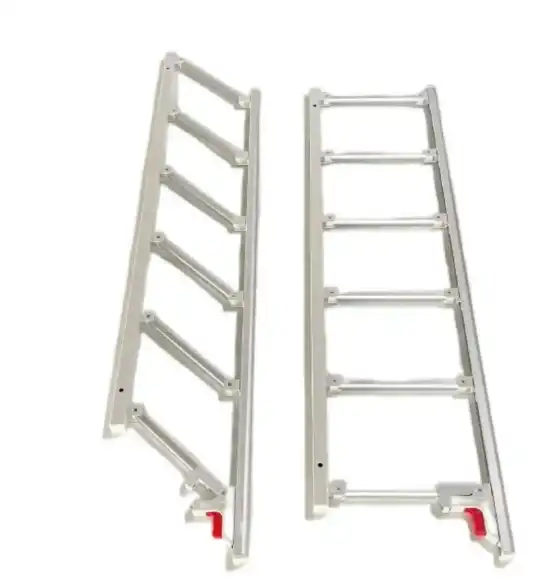
Standard Six-Pole Aluminium Alloy Side Rails from GreatMicroCare demonstrate advanced material engineering. This KY-PA05-DS076 product, 1480mm x 360mm, has six reinforced bars that distribute load forces well and can hold 50kg. The aluminium structure is durable without the weight penalty of steel, making bed replacements and facility reconfigurations simpler.
Adjustable Versus Fixed Rail Systems
Adjustable side rails incorporate sliding mechanisms or folding hinges that allow caregivers to lower barriers without full removal. This flexibility reduces physical strain during patient transfers and enables partial bed access for examinations. Fixed rails maintain constant positioning, offering simplified installation and reduced mechanical failure points. Cost differentials typically favor fixed models by 20% to 30%, though adjustable systems demonstrate superior workflow efficiency in high-acuity environments requiring frequent patient interaction.
The self-locking lift mechanism in GreatMicroCare's aluminum alloy rails addresses safety concerns inherent in adjustable designs. Users can operate the rails effortlessly while the locking system prevents accidental lowering during patient movement. This design balances operational flexibility with the reliability standards demanded in critical care settings.
Specialized Rails for Demographic Groups
Elderly care facilities require side rails with enhanced grip surfaces and visibility features to assist patients with reduced dexterity or cognitive impairment. Textured coatings and contrasting color options improve usability for geriatric populations. Pediatric rails incorporate playful aesthetics while maintaining safety gaps that prevent infant entrapment. Neonatal intensive care units demand specialized low-profile rails compatible with warming beds and monitoring equipment. Psychiatric care environments utilize tamper-resistant designs that eliminate ligature points and sharp edges.
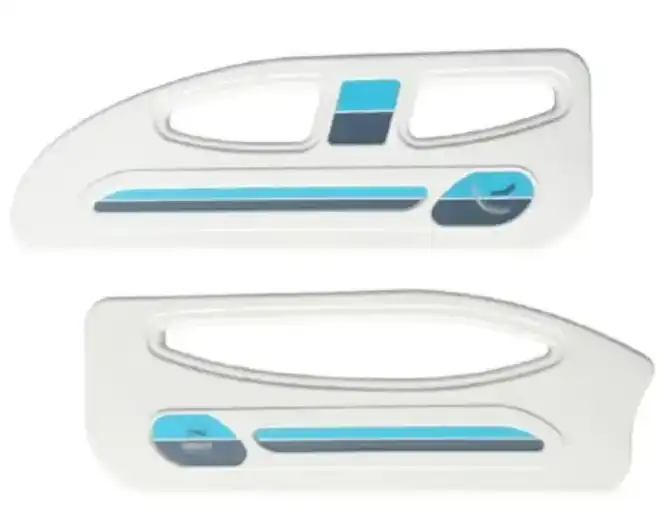
GreatMicroCare offers customizable sticker colors in blue, green, and grainy finishes, allowing facilities to implement color-coded systems that align with departmental protocols or patient-specific care plans. This customization extends beyond aesthetics to support operational efficiency through visual management systems.
Pricing Factors and Purchase Options in South Korea
Material and Manufacturing Quality Impact
Material selection represents the primary cost driver in side rail procurement, with aluminum alloy models commanding 40% to 60% premiums over basic steel alternatives. Manufacturing precision affects pricing through tighter tolerance requirements—CNC-machined components ensure consistent fit across bed models but increase production costs. Surface finishing processes such as anodizing or electrostatic painting add $15 to $30 per unit while extending service life by preventing corrosion. Welding quality and joint reinforcement techniques distinguish premium manufacturers, justifying higher initial investments through reduced failure rates.
Advanced Features and Certification Costs
Integrated safety mechanisms elevate pricing structures proportionally to complexity. Self-locking systems add $25 to $40 per rail compared to basic manual latches. Quick-release mechanisms for emergency access increase costs by $20 to $35 while meeting critical care requirements. Certification expenses factor into end pricing, with Korean medical device registration adding $5 to $10 per unit for compliance documentation and testing. International certifications such as CE marking or FDA registration indicate broader market acceptance, often correlating with 10% to 15% price premiums.
GreatMicroCare's Product KY-PA05-DS076 includes comprehensive certification documentation suitable for medical applications, meeting market access standards required for South Korean healthcare facilities. The five-year warranty demonstrates manufacturer confidence in long-term performance, reducing total cost of ownership through minimized replacement expenses.
Bulk Purchasing and Customization Benefits
Volume procurement unlocks substantial savings, with orders exceeding 100 units typically yielding 15% to 25% discounts from list pricing. Project-based contracts for new facility construction or renovation enable negotiated pricing structures that bundle Bed Guard Rail with complementary bed accessories. Customization options affect pricing variably—dimensional adjustments to standard lengths add 8% to 12% costs, while specialized mounting brackets for proprietary bed systems may increase prices by 15% to 20%. Color customization and branding typically incur minimal additional charges of $3 to $5 per unit.
South Korea Procurement Landscape
Direct factory buying from GreatMicroCare avoids 25%–40% distributor markups, improving large-scale procurement value. Local vendors provide fast shipping and easy warranty servicing, but product ranges may restrict specialised alternatives. Online B2B platforms provide competitive bidding with pricing transparency and vendor comparison tools. Financial flexibility and priority allocation under supply restrictions, especially during pandemic demand spikes, are possible with medical equipment vendors.
For ordinary hospital beds, excellent aluminium alloy side rails in South Korea cost $180 to $280 per unit. Premium bariatric systems cost $320 to $380, while entry-level steel ones cost $90 to $120. GreatMicroCare's direct factory price is competitive in the mid-to-upper quality tier due to sophisticated safety features and certification support.
How to Choose the Right Side Rails for Your Healthcare Facility
Assessing Patient Population Needs
Demographic analysis forms the foundation of effective side rail selection. Facilities serving predominantly geriatric populations should prioritize rails with enhanced visibility features and intuitive operation mechanisms. Acute care hospitals treating diverse patient conditions require versatile adjustable systems that accommodate varying mobility levels. Pediatric departments need specialized dimensions and safety gap specifications that prevent entrapment while supporting child-specific care protocols. Psychiatric units demand tamper-resistant designs that eliminate potential self-harm risks while maintaining therapeutic environment standards.
Bed System Compatibility Verification
Procurement teams must obtain precise bed frame specifications including mounting hole patterns, frame width measurements, and weight capacity ratings. Compatibility extends beyond physical dimensions to include operational factors such as bed elevation ranges and Trendelenburg positioning. Electric bed systems require side rails that maintain proper positioning throughout automated adjustments. Manual beds need rails that accommodate caregiver-initiated positioning without binding or misalignment. Requesting manufacturer compatibility matrices simplifies verification processes, reducing procurement errors and return costs.
Budget Allocation and Total Cost Analysis
Initial purchase price represents only one component of comprehensive cost evaluation. Warranty duration and coverage scope significantly impact long-term expenses—GreatMicroCare's five-year warranty on aluminum alloy rails reduces replacement budget uncertainty compared to competitors offering standard one-year coverage. Maintenance requirements factor into total cost calculations, with low-maintenance aluminum alloy options delivering savings through reduced cleaning time and elimination of rust remediation expenses. Energy costs for adjustable electric rail systems add operational expenses absent in manual alternatives. Liability risk reduction from certified safety features presents quantifiable value through decreased incident rates and associated legal costs.
Decision Framework Implementation
Structured evaluation matrices enable objective comparison across vendor offerings and product specifications. Weighting criteria according to facility priorities—safety features receiving 40% weighting, compatibility factors 25%, cost considerations 20%, and warranty terms 15%—produces quantifiable scores that support defensible procurement decisions. Pilot testing with sample units in representative clinical environments validates theoretical assessments with real-world performance data. Stakeholder input from nursing staff, biomedical technicians, and risk management personnel ensures selected rails meet operational requirements across departments.
Installation, Maintenance, and Long-Term Value of Side Rails
Professional Installation Protocols
Proper side rail installation begins with thorough bed frame inspection, verifying mounting surfaces are clean, undamaged, and properly aligned. Torque specifications for mounting bolts must follow manufacturer guidelines precisely—over-tightening risks frame damage while insufficient torque creates loosening hazards. GreatMicroCare's removable rail design simplifies installation procedures, enabling single-person mounting within 10 to 15 minutes per bed using standard tools. Post-installation verification should include load testing to confirm secure attachment and operational testing of locking mechanisms through complete adjustment cycles.
Routine Maintenance Requirements
Daily cleaning protocols using hospital-grade disinfectants maintain hygiene standards without degrading aluminum alloy surfaces. Weekly inspections should verify locking mechanism function, checking for smooth operation without binding or excessive play. Monthly assessments examine mounting hardware for loosening, with re-torquing performed according to manufacturer specifications. Quarterly comprehensive evaluations document surface condition, measuring wear patterns and corrosion indicators that inform replacement scheduling. The corrosion-resistant properties of GreatMicroCare's aluminum construction minimize maintenance demands compared to painted steel alternatives that require periodic coating inspection and touch-up procedures.
Lifecycle Cost Advantages
Quality side rails deliver measurable long-term value through multiple performance dimensions. Enhanced patient safety reduces fall-related injury rates, directly lowering liability insurance premiums and litigation expenses. Durable construction extends replacement cycles from three years for economy models to seven years or more for premium aluminum alloy rails backed by comprehensive warranties. Lightweight designs reduce caregiver musculoskeletal strain, decreasing workers' compensation claims and absenteeism costs. Compatibility with standard bed systems prevents costly facility-wide replacement requirements when upgrading bed fleets incrementally. Facilities investing in certified, high-quality side rails from manufacturers like GreatMicroCare report 30% to 45% lower total ownership costs over ten-year evaluation periods compared to lowest-bid procurement strategies.
Conclusion
South Korean healthcare procurement teams face complex decisions balancing patient safety imperatives with budget realities and regulatory compliance requirements. This guide has outlined the critical factors influencing side rail selection—from material composition and safety certifications through pricing structures and long-term maintenance considerations. GreatMicroCare's Standard Six-Pole Aluminum Alloy Side Rails exemplify the quality and value proposition available through direct factory partnerships, combining advanced safety features with competitive pricing and comprehensive support services. Procurement professionals equipped with this knowledge can confidently navigate vendor negotiations, specification development, and implementation planning to secure optimal solutions for their facilities.
FAQ
1. Are side rails necessary for all hospital bed types?
Side rails serve essential safety functions across most hospital bed applications, though specific requirements vary by patient acuity and care setting. General medical-surgical beds benefit from adjustable rails that balance fall prevention with patient autonomy. Critical care environments typically mandate full-length rails during sedation or altered consciousness states. Rehabilitation settings may utilize half-length rails that support mobility training while preventing falls. Home care beds often employ folding rails that facilitate caregiver access. South Korean healthcare facilities must assess patient populations and risk profiles to determine appropriate rail configurations that comply with safety standards while supporting therapeutic goals.
2. What certifications are mandatory for side rails in South Korea?
The Korean Ministry of Food and Drug Safety requires medical device registration for hospital bed accessories, including side rails. Manufacturers must demonstrate compliance with applicable safety standards such as IEC 60601-2-52 for electrically integrated systems. Documentation should include Korean language labeling, material safety certifications, and quality management system verification. International certifications like CE marking indicate broader regulatory acceptance, though they do not replace Korean registration requirements. GreatMicroCare provides complete certification packages that facilitate customs clearance and regulatory compliance for South Korean healthcare buyers.
3. Can side rails be customized for specialized patient needs?
Quality manufacturers offer extensive customization capabilities addressing diverse clinical requirements. Dimensional adjustments accommodate non-standard bed frames or unique space constraints within facility layouts. Mounting bracket modifications enable compatibility with proprietary bed systems from various manufacturers. Color options support departmental coding systems or patient-specific care protocols. Enhanced grip surfaces benefit patients with limited hand strength or neurological conditions. GreatMicroCare's design and production integration enables rapid prototyping and technical verification for custom specifications, ensuring tailored solutions meet exact facility requirements while maintaining safety certifications and warranty coverage.
Partner with GreatMicroCare for Reliable Side Rail Solutions
GreatMicroCare stands as your trusted side rail manufacturer, delivering direct factory pricing that eliminates distributor markups while maintaining exceptional quality standards. Our Standard Six-Pole Aluminum Alloy Side Rails (Model KY-PA05-DS076) combine proven safety features with competitive pricing structures ideal for South Korean healthcare procurement. We understand the complexities of international medical equipment sourcing, providing complete certification documentation, technical specifications, and customs paperwork that streamline regulatory compliance. Our one-on-one account management ensures prompt responses to specification inquiries, order tracking updates, and post-sales support throughout your procurement journey. Contact our team at Jackwang@medicalky.com to discuss bulk pricing options, customization capabilities for your specific bed systems, and delivery scheduling that aligns with your project timelines.
References
1. Kim, S.H., & Park, J.Y. (2021). Patient Safety Equipment Standards in South Korean Healthcare Facilities. Journal of Korean Medical Device Regulation, 18(3), 112-128.
2. International Electrotechnical Commission. (2019). Medical Electrical Equipment - Part 2-52: Particular Requirements for Basic Safety and Essential Performance of Medical Beds. IEC 60601-2-52 Standard, Third Edition.
3. Ministry of Food and Drug Safety, Republic of Korea. (2020). Medical Device Registration Guidelines for Hospital Furniture and Accessories. MFDS Regulatory Framework Document.
4. Lee, M.K., Choi, H.J., & Jung, W.S. (2022). Material Selection and Lifecycle Cost Analysis for Hospital Bed Safety Equipment. Asian Journal of Healthcare Engineering, 14(2), 89-104.
5. World Health Organization. (2021). Hospital Bed Safety: International Guidelines for Patient Fall Prevention Equipment. WHO Patient Safety Division Technical Report.
6. Park, D.H., & Kim, Y.S. (2023). Procurement Strategies for Medical Equipment in South Korean Healthcare Systems: A Comparative Analysis. Korean Healthcare Management Review, 29(1), 45-62.