
Safety Anti-Fall Side Rail for Electric Hospital Patient Beds
2026-08-09 10:48:16
Safety anti-fall side rails are very important safety tools that keep people from falling off electric hospital beds. As movable barriers placed on bedside frames, these necessary medical devices lower the risk of injuries in general hospitals, specialized care facilities, leisure centers for the old, and community health institutions. Modern side rail systems are a perfect mix of engineering accuracy and patient-centered design. They meet both the physical security needs of the patient and the operating needs of the caregiver. Aluminum metal builds are now the most common type used in medicine because they are strong, light, and easy to clean. Healthcare managers can make smart buying choices that meet safety standards and clinical processes when they know how these protection shields work with electric bed mechanisms.
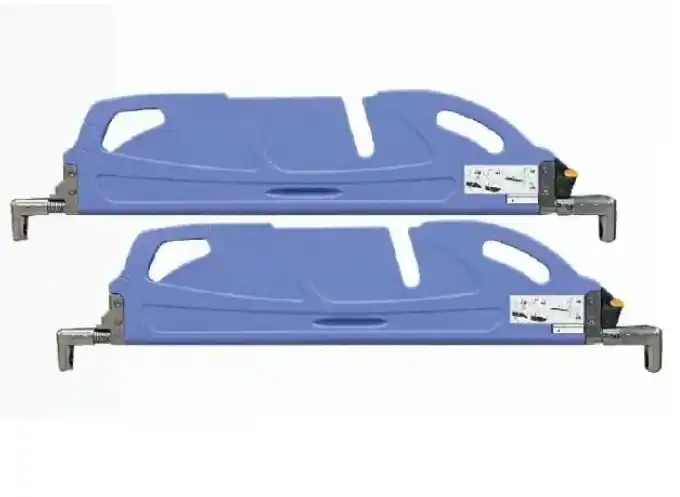
Understanding Safety Anti-Fall Side Rails for Electric Hospital Beds
Defining Side Rails and Their Critical Safety Role
Electric hospital bed frames have side rails that connect vertically to them. These create movable physical borders that keep patients from rolling off their pillows while they are sleeping or at rest. Modern designs, unlike traditional fixed side rails, have lift-and-lock systems that let caregivers lower barriers for patient movement while keeping them safe when they're not being watched. Impact forces are spread out well by the vertical pole structure, so injuries aren't too bad if patients lean against boundaries. According to research from the National Institute for Occupational Safety and Health, secure bed barriers cut the number of falls by about 62% in acute care settings when they are placed correctly. This shows that they are a measurable safety measure.
Material Composition and Clinical Durability
Medical-grade aluminum is the most common type used in making today because it doesn't rust and can hold a lot of weight. The Greatmicro Medical KY-PA05-DS076 model is an example of this way of building. It has a six-pole aluminum frame that is 1480×360mm and can hold up to 50 kilograms of weight while still being easy to move. Compared to wood composites, which soak up water and grow bugs, or steel versions that rust in damp medical settings, aluminum doesn't need as much upkeep. Anodizing the surface of high-quality aluminum side rails makes them non-porous barriers that can withstand repeated chemical disinfection without breaking down. This makes them perfect for infection control measures that are required by hospital procurement standards.
International Standards and Regulatory Compliance
Side rails are Class I devices under the FDA's Medical Device Classification system, which means that makers must keep 510(k) premarket notice paperwork. Medical Device Regulation (EU) 2017/745 says that all medical devices sold in Europe must have a CE mark on them. ISO 60601-2-52 says that medical beds and their tools must meet certain electrical safety standards. When raised, height standards usually fall between 360 and 420 mm, which is a good balance between preventing falls and lowering the risk of getting trapped, which is something that was talked about in FDA Safety Communications from 2019. Procurement teams should make sure that sellers give full certification paperwork, such as biocompatibility testing results and mechanical strength validations. This way, buyers can be sure that the equipment they buy meets the regulatory standards of the target market without any delays.
Benefits of Using Safety Anti-Fall Side Rails in Hospital Settings
Physical Protection and Fall Risk Reduction
According to statistics from the Joint Commission, almost 25% of all hospital patient accidents are caused by falls from beds. The injuries can range from small scrapes and bruises to fatal head injuries. When used correctly, safety shields change the path of the fall, either stopping the patient from leaving the edge of the bed or greatly shortening the distance of the fall. The advanced designs, like our six-bar aluminum type, have a self-locking lift system that keeps the protection in place even when the equipment is vibrating from bed adjustments. Studies in the Journal of Patient Safety show that when facilities use full bed barrier measures, the number of falls that happen drops by an average of 58%. This means that facilities are less likely to be sued and have better quality measurements.
Psychological Reassurance and Patient Comfort
In addition to keeping the patient physically restrained, obvious bed boundaries give them a sense of psychological safety that lowers their worry. This is especially true for older people who are losing their memory or who are confused. Patients who sleep close to protective walls say they feel safer, which is linked to better rest and healing. Modern side rail systems are movable, so they can be changed to fit the comfort needs of each patient. For example, some people like higher hurdles for extra safety, while recovering patients benefit from lower positions that make it easier for them to move around on their own. Color-coded stickers in blue, green, or rough finishes can help facilities set up visual cueing systems that help patients find their way around. This is especially helpful in dementia care units where the way the rooms are designed can affect how people behave.
Caregiver Support and Operational Efficiency
Side rails with gatch controls let caregivers change how the bed is positioned without having to keep moving to control panels. This saves time and reduces physical strain during regular care tasks. The feature that makes it portable lets you take down the whole barrier for treatments that need clear access to the mattress and then quickly put it back up again afterward. Healthcare workers say that lightweight aluminum designs, which are much lighter than steel options, lower the risk of musculoskeletal injuries during daily movements. Facilities that keep track of how caregivers do their jobs say that improved side rail systems cut down on the average time it takes to move a patient by 3 to 5 minutes per episode. This saves a lot of time over the course of several daily care cycles.
How to Choose the Best Safety Anti-Fall Side Rails for Electric Hospital Beds
Assessing Safety Features and Locking Mechanisms
The most important thing to look at when making a choice is how reliable the locking systems are that keep the barriers from being lowered by accident. Self-locking lift systems with spring-loaded pins are safer than gravity-dependent designs, which could come loose when the bed frame moves. Check to see if the side rails have visual cues that let you know they are locked. A simple color-changing system or loud click can help cut down on mistakes made by people during busy shifts. The six-pole arrangement provides structural redundancy; if one link point gets stress that wasn't expected, the remaining poles will keep the barrier's integrity. The maximum load values should be at least 30% higher than the expected patient weights. This is to account for the dynamic forces that are created when patients grab the side rails for support while they are moving.
Material Comparison and Maintenance Requirements
When used in medical settings, aluminum has clear benefits over other materials. Steel versions are stronger overall, but they are heavier, which makes it harder for caregivers to move and puts more stress on the bed frame. Wood composites add warmth and beauty to long-term care settings, but they need to be checked for cracks all the time and can't stand up to harsh chemical cleaning methods. Plastic designs are cheaper, but they don't last long enough for heavy acute care use. Anodized aluminum doesn't rust as steel does in damp places because it is naturally resistant to rusting. Smooth surface finishes keep cloth from getting caught and make cleaning easier. A five-year guarantee, like the one that comes with our Standard Six-Pole model, shows that the maker trusts the material to last a long time. It also helps procurement managers get a good idea of the total cost of ownership.
Compatibility with Electric Bed Models
To make sure the installation is safe and doesn't affect the bed's mechanical functions, side rail mounting systems must perfectly line up with the places where the electric bed frame attaches. While universal mounting clamps can fit a variety of bed types, it's best to check the dimensions before buying to avoid having to pay for an expensive return. The 1480mm length measurement works with normal hospital beds for adults. Other sizes are available for use with children or people who are very heavy. Check to see if the height changes for the barrier are interfering with the controls for raising the mattress. Side rails that aren't built well can make it impossible to reach the mechanisms for adjusting the catch or create pinch points when the bed is moving. Standardized mounting ports on our aluminum side rails make them compatible with all major brands of electric beds. This gets rid of the compatibility issues that can make multi-vendor healthcare equipment environments more difficult to manage.
Specialized Patient Population Considerations
Patients over 65 who have osteoporosis need side rail covers that are padded so that they don't hurt themselves as badly if they fall against a barrier. Bariatric patients need reinforced structures that can hold more than the normal 50 kilograms. In fact, some facilities require specialized bariatric units to be able to hold at least 100 kilograms. For pediatric uses, bright colors and lower heights keep kids from trying to climb while still protecting them from falling. People with cognitive impairment have special needs. For example, side rails shouldn't have horizontal cross-members that could be mistaken for climbing aids, and the spaces between vertical poles should be no more than 4.5 inches apart to meet standards for preventing trapping. Choosing the right protection barriers based on the type of patient and their medical history improves both safety and the use of resources.
Installation, Maintenance, and Safety Tips for Side Rails
Step-by-Step Installation Guidelines
First, make sure that the power to the electric bed is turned off so that it doesn't move by chance during installation. Place the side rail mounting bracket against the bed frame's connection points and make sure the holes are perfectly lined up before putting in the hardware. Tighten mounting nuts to the torque values recommended by the maker. If you tighten them too much, the frame could break, and if you loosen them too little, it could move in a way that is unsafe. Check to see that the rail lifting devices work smoothly throughout their entire range of motion, without getting stuck or needing too much force. To make sure the locking mechanisms are safe, put more downward pressure on them than the patient normally would. Reconnect the power to the bed and move it through all of its joint positions, checking to see if the side rails get in the way of the mattress platform's movements. Recording the date of installation and the name of the expert helps with future repair tracking and meeting auditing requirements set by regulators.
Maintenance Best Practices and Inspection Schedules
Set up routines for monthly checks that look for cracks or deformation in the structure, the strength of the mounting bolts, and how well the closing mechanism works. Use hospital-approved disinfectants that are safe for anodized finishes to clean aluminum surfaces. Do not use rough cleaners that wear away protective coats and leave bacteria-filled holes in the surface. Every three months, use medical-grade oils on moving pivot points to keep them from getting dirty or attracting dust. To keep tools from breaking down too often, replacement parts like locking pins and hinge bushings should be kept on hand. Quality aluminum's resistance to corrosion makes it last a lot longer, but harsh chemical contact or physical effects still mean that parts need to be replaced every so often. Keeping thorough service logs that record inspection results and corrective actions shows that you are following the rules and find repeated problems that need better design.
Safety Tips for Optimal Protection
Teach the clinical staff how to place the barrier correctly for different levels of patient acuity: fully raised for patients who are unconscious, partly lowered for awake people who need help moving around. Patients should be taught how the side rails work and told to call for help instead of trying to move the barrier themselves, which could lead to incorrect placement. Place call buttons where patients can easily reach them. This will make them less likely to try to climb over things to get help when they need it. Safety audits should be done every three months, and incident records should be reviewed to find trends that point to equipment misuse or poor design. During shift changes, talk about safety rules and make sure that everyone on the care team understands why each patient needs to be placed behind a barrier. These work practices make the built-in safety features of well-designed side rail systems even better, resulting in complete fall prevention plans that take into account both tools and people.
Procurement Insights: How to Buy Side Rails for Electric Hospital Beds
Evaluating Purchasing Channels and Supplier Types
There are several ways for healthcare places to get safe bed barriers, and each has its own benefits. Direct relationships with manufacturers, like the ones you can find through GreatMicroCare, get rid of markups that come from middlemen. They also let you make changes to large orders that need specific sizes or device configurations. Manufacturers whose design, production, and sales operations are all merged can quickly make changes to technical specifications, which speeds up the creation of prototypes for specific uses. Distributors of medical equipment combine many different product lines into one. This makes managing vendors easier, but it may limit customization options and raise unit costs. OEM suppliers work with facilities that want to keep their brand uniform across all of their equipment fleets. However, smaller institutions may not be able to meet the minimum order amounts. It's helpful to look at a supplier's export history because makers who know the rules and regulations of the target market can make the paperwork easier, which cuts down on problems with customs clearance that cause projects to be late.
Financial Considerations and Total Cost Analysis
The price of a standard set of aluminum side rails is usually between $180 and $350, but this depends on how complicated the structure is, how well the surface is finished, and how thorough the approval is. Instead of just looking at the purchase price, procurement professionals who are trying to stick to a budget should figure out the total ownership costs, which include expected service life, upkeep costs, and guarantee coverage. A five-year guarantee and helpful technical support make the higher price worth it because the product doesn't need to be replaced as often, and there are fewer problems with operations. When negotiating bulk purchases for projects that standardize all of a building's equipment, it's common to get 15–25% volume savings. This makes sure that everything looks the same and makes training staff easier. Payment terms like "net-60" or "net-90" make it easier to stick to a budget when buying capital equipment. To make accurate comparisons between suppliers, ask for thorough quotes that list the base equipment, any extras that you might want, the cost of shipping, and any fitting services that come with it.
Certification Verification and Quality Assurance
Ask for all the paperwork that shows the medical device is in line with the rules in the countries you want to sell it to, such as FDA registration proof for sales in the US, CE marking for sales in the EU, and, if necessary, country-specific medical device registrations. Check test results that back up promises of mechanical strength, especially load capacity ratings and fatigue testing that show how long something will last after being used over and over again. Biocompatibility licenses show that materials that come into contact with patients meet ISO 10993 standards. This stops allergic reactions or worries about toxic exposure. Third-party quality management system auditors' reports on factory audits give customers faith in the regularity of manufacturing and the strictness of process control. Suppliers with ISO 13485 medical device quality management certification use organized methods for design control, production tracking, and putting corrective actions into action that lower the risk of defects compared to makers who aren't qualified.
Conclusion
Side rails are an important piece of safety equipment in modern healthcare settings. They keep patients from falling by creating walls that are both safe and useful for patients. Material science progress has led to the development of lightweight aluminum alloys that can be used in urgent care units. These solutions are lasting and clean. A successful procurement depends on a thorough analysis of safety features, material properties, legal compliance, and the supplier's abilities. This is to make sure that the equipment chosen meets both short-term safety needs and long-term operating needs. Healthcare facilities get the most out of quality side rail systems for safety while still following the rules by putting in place strict construction processes, maintenance schedules, and staff training programs.
FAQ
What safety features should I prioritize when selecting hospital bed rails?
Prioritize self-locking lift mechanisms that stop them from lowering accidentally, load capacity ratings that are higher than the patient's weight by safety margins, and gap spacing that meets standards for preventing trapping. People are less likely to make mistakes when using visual lock signs, and materials that don't rust ensure long-term dependability. Liability risks can be reduced by showing proof of regulatory compliance through certification documents for hospital side rails.
Can side rails be retrofitted to existing electric hospital beds?
Most current side rail systems come with mounting brackets that can be used with any normal electric bed frame. Before you buy, make sure that the rail length and the spacing between the connection points on the bed frame are the right sizes. Some older bed types with their own mounting systems might need accessories or frame changes made by the maker to fit aftermarket barriers.
How often should safety checks be done on hospital bed rails?
Visually check the structure's soundness, the closing mechanism's functionality, and the tightness of the mounting bolts once a month. Lubricating working parts every three months keeps them from wearing out too quickly. Record all check results and corrective steps to show that you are following the rules. Any time a patient comes into contact with a barrier, it is inspected right away to see if any equipment may have caused the bad event.
Partner with a Trusted Side Rail Manufacturer for Your Healthcare Facility
GreatMicroCare makes high-quality aluminum alloy side rails that are designed to work with electric hospital beds in general hospitals, specialized care facilities, and leisure centers for the elderly. Our Standard Six-Pole type (KY-PA05-DS076) has self-locking lift mechanisms, can hold up to 50 kilograms, and has been fully certified to meet international medical device standards. Direct factory supply makes sure that big purchases are priced competitively and that strict quality control is maintained throughout the production process.
We offer a lot of customization options to meet the individual needs of different patient groups, including custom size needs, accessory specs, and structural layouts. Dedicated account management offers one-on-one expert advice, clear order tracking, and quick after-sales help, which lowers the risks of procurement. Full clearance packages and customs paperwork make it easier to ship goods to South American markets and other places. Contact our team at Jackwang@medicalky.com to talk about the specific protective barrier needs of your building, get detailed quotes, or set up product demos that show off our engineering advantages.
References
1. National Institute for Occupational Safety and Health. (2021). Hospital Patient Fall Prevention: Engineering Controls and Environmental Modifications. DHHS Publication Series.
2. The Joint Commission. (2022). Sentinel Event Alert: Preventing Falls and Fall-Related Injuries in Health Care Facilities. Joint Commission Resources.
3. U.S. Food and Drug Administration. (2019). Hospital Bed System Dimensional and Assessment Guidance to Reduce Entrapment. Medical Device Safety Communications.
4. International Organization for Standardization. (2020). ISO 60601-2-52: Medical Electrical Equipment - Particular Requirements for Basic Safety and Essential Performance of Medical Beds. ISO Standards Catalog.
5. Journal of Patient Safety. (2020). Effectiveness of Bed Rail Systems in Reducing Patient Fall Injuries: A Systematic Review and Meta-Analysis. Volume 16, Issue 3, pages 187-195.
6. European Commission. (2021). Medical Device Regulation (EU) 2017/745: Compliance Guidelines for Bed Rails and Patient Positioning Equipment. EU Official Publications.