
Multifunctional Electric Obstetric Bed for Maternity Ward Full Delivery Care
2026-07-25 10:33:57
For maternity hospitals looking to improve the standard of care during birth and operating effectiveness, a multifunctional Electric Obstetric Bed is a game-changing option. These special beds have motorised adjustments and are designed with the patient in mind, which lets doctors provide better maternity services. The Electric Obstetric Bed has become an important part of modern birth rooms as standards for maternal health care continue to change. The KY-PLGYN-09A model from GreatMicroCare Medical is a great example of this new idea. It combines strong engineering with clinical flexibility to support full prenatal care in a variety of healthcare situations.
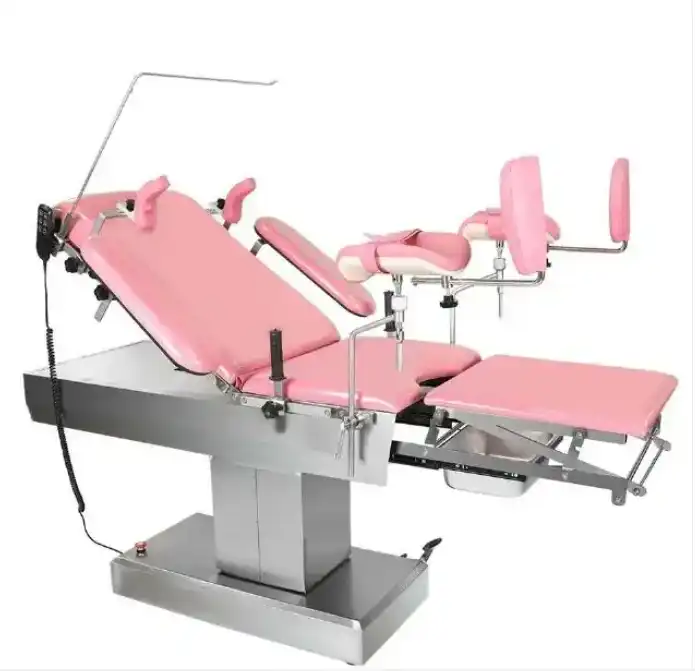
Understanding Electric Obstetric Beds: Features, Benefits, and Working Principles
Core Features That Define Modern Delivery Beds
Modern delivery beds are different because they have advanced motorised systems that let you precisely control their position. The GreatMicroCare KY-PLGYN-09A has electric changes for general height (600–1000mm range), backrest positioning (0–75°), and leg rest angles (0–45°). This lets the healthcare staff place the patient best during labour. With an epoxy-coated steel frame and ABS engineering plastic components, this Electric Obstetric Bed ensures structural stability while keeping the weight profile reasonable at about 120 kg.
The flexible working table can be extended by 550 mm using linear bearings. This gives you more room for important tasks. These systems work even when the power goes out because they are powered by an AC 220V source and have a battery backup. This is an important safety feature for constant delivery care.
Safety Mechanisms and Ergonomic Advantages
It is still very important for maternity beds to keep both patients and workers safe. The four 125mm castors on the tools have centrally controlled braking systems that keep them from moving around during processes. ABS side rails keep patients from falling, and movable hand grips let them stay in a relaxed position during contractions and pushing phases. When quick changes in posture are needed in an emergency, the Trendelenburg and reverse Trendelenburg positions (0–12°) can be used.
When compared to manual options, electric birth beds are easier on the body for healthcare workers to use. Motorised adjustments get rid of the need to repeatedly exert physical effort to move a person's position, which addresses worries about workplace health while also speeding up work. The easy-to-use control panel lets the setup be changed quickly, so staff can respond quickly to changing clinical needs as labour progresses.
Operational Efficiency and Patient Comfort
Using high-density sponge pillows (8 cm thick) with fake leather coverings makes patients more comfortable during long labour times. With a weight capacity of up to 250 kg, this Electric Obstetric Bed can accommodate a wide range of patients. The sliding grip holders and movable leg supports can be adjusted to fit each person's body, which lowers pressure spots and improves blood flow during long processes.
When patients are less in pain and anxious during birth, the results are better. Electric motors make the surroundings calmer by running smoothly and quietly, and their ability to precisely place things makes it easier to watch and help the foetus. All of these things raise scores for maternal happiness and help women have good birth experiences.
Comparing Electric vs Manual Obstetric Beds for Maternity Wards
Operational Limitations of Traditional Manual Systems
Manual maternity beds make it hard to do practical work and are bad for the health of staff. Adjustment systems depend on physical force, which makes placement less accurate and requires a lot of work from staff. This mechanical method slows down the process of changing positions quickly in an emergency, which could put the patient at risk when quick action is needed.
When it comes to maintenance, mechanical parts in manual systems often need to be replaced more often because they wear out faster from being used by hand so often. Because there are no computer controls, healthcare workers have to walk over to the bed for each change, which breaks up sterile fields and slows down work.
Quantifiable Advantages of Electric Delivery Systems
Healthcare centres switching to Electric Obstetric Beds report measurable gains in a number of operational metrics. Musculoskeletal strain reports have gone down according to staff ergonomic surveys. This means that fewer people are getting hurt on the job, which saves money. Patient satisfaction polls regularly show that labouring women are more comfortable when they can make more frequent, small changes to their position on an electric bed.
Workflow efficiency improvements can be seen in how quickly the delivery room is cleared out. Electric systems can be quickly reconfigured, which cuts down on the time needed to prepare for the next patient. This could increase the facility's capacity without having to build more infrastructure. When important positioning changes happen in seconds instead of minutes, emergency reaction times are faster.
Long-Term Investment Value Analysis
Even though Electric Obstetric Beds are more expensive to buy at first than manual ones, a full lifetime cost study shows that they are more cost-effective in the long run. Because the GreatMicroCare KY-PLGYN-09A is built to last, it doesn't need to be replaced as often, and buying it directly from the maker cuts out middlemen and their markups. Structured service agreements keep maintenance costs stable, and the machine only uses a small amount of energy because it only works sometimes.
Healthcare centres that use electric delivery beds report lower costs for staff overtime because of better working efficiency. Improving the number of patients seen at once leads to more chances to make money, which can be used to cover the cost of new tools within the normal time frame for planning finances. Modern equipment's positive effects on image also help businesses compete in the healthcare market.
How to Choose the Best Electric Obstetric Bed for Your Facility (B2B Buying Guide)
Assessing Facility-Specific Requirements
Before buying something, you should carefully look at what you need and make sure it fits with professional care models. Maternity rooms with a lot of patients need beds that are more durable and may have more features to help with different types of deliveries. Community health centres might put an emphasis on simple operations and strong building over complex, specialised functions.
Dimension decision is affected by the amount of room available. The GreatMicroCare model's small size (1900mm × 600mm base measures) fits into most delivery rooms while still giving you enough room to work. To make sure safe and effective use, height change ranges must match the physical needs of staff and the rules for moving patients.
Critical Evaluation Criteria for Procurement
The quality of the construction is what makes a maternity bed work reliably. In hospital settings where antimicrobial agents are often used for cleaning, a high-quality stainless steel structure doesn't rust. Welded joint stability and increased stress points decide how long a structure will last when it is constantly used for work. The epoxy covering on steel frames adds to their resistance to damage from the surroundings.
Safety certification rules must be followed at all times. International standards for medical device function and electromagnetic compatibility should be met by electrical parts. Having emergency backup power systems in place guards against delivery problems when the main power goes out. Ratings for weight capacities must include large safety gaps that go beyond the usual patient population.
Supplier Selection and Partnership Considerations
Picking the right Electric Obstetric Bed maker is just as important as picking the right product. The design, production, and sales departments at GreatMicroCare Medical are all connected, which makes contact easy and speeds up technical checks. This straight factory supply model supports both large-scale and project-based order needs and provides uniform quality control.
When buying medical tools for use abroad, you need to deal with sellers who have a history of exporting. Implementation risks are lower when people know how to deal with certification requirements, customs paperwork, and the practicalities of sending medical equipment. Having access to full certification packages and detailed technical documentation makes following the rules easier in target markets.
Customisation capabilities add significant value for facilities with specialised requirements. GreatMicroCare lets you change the size, change the accessories, and choose the material based on specific clinical guidelines. This adaptability comes in handy for specialised maternity programs or unusual building restrictions.
Financial Structuring and Logistics Planning
When trying to standardise all of a building's equipment, procurement workers should look into possibilities for volume prices. When you buy in bulk, you usually get better payment terms, longer guarantee coverage, and faster access to services. Project-based price models can work with implementations that happen in stages that match the rounds of the capital budget.
When coordinating international operations, it's important to pay attention to packaging rules that keep things from getting damaged in travel. Stable production scheduling makes sure that shipping times work with projects to renovate or expand the building. One-on-one account management gives you a specialised point of contact for tracking orders, making sure specifications are met, and asking technical questions at any point in the buying process.
Maintaining and Optimising Performance of Electric Obstetric Beds
Preventive Maintenance Protocols
Regular repair plans keep the Electric Obstetric Bed working well and increase its useful life. Following daily cleaning routines with approved antibacterial solutions helps keep infection control standards high without harming the materials. Every week, you should check the electrical connections, the control panel, and the smoothness of the mechanical adjustments.
As part of regular monthly upkeep, moving parts are oiled according to the manufacturer's instructions. To keep them from wearing out too quickly, the telescopic system, adjustment hinges, and wheel bearings need to be oiled from time to time. Electrical safety checks make sure that the wiring is correct, the insulation is intact, and the backup power system works.
Troubleshooting Common Technical Issues
The most common technical problem with electric delivery beds is that the power system breaks down. When motorised changes don't work, operators should make sure the power source stays on, check the state of the emergency stop button, and make sure the connections on the control panel are correct. Battery backup systems need to be charged and discharged on a regular basis to keep their power ready.
Uneven mechanical adjustments are often caused by debris building up in the telescopic guides or worn-out drive parts. Regular cleaning keeps things from building up and getting in the way of smooth function. When strange noises start to happen during motorised movements, they need to be checked out right away so that small problems don't get worse and require major fixes.
Staff Training and Operational Best Practices
Comprehensive training programs make sure that healthcare workers know how to use the Electric Obstetric Bed's features correctly and don't make mistakes that wear it out faster. Training should include the right way to place a patient, what to do in an emergency, how to move a patient, and how to fix basic problems. As staff members leave and come back, training classes help to keep best practices in place.
Writing down practical processes helps care teams and shifts be consistent. Clear instructions for regular cleaning, repositioning during treatments, and preparing after use keep professional standards high while reducing stress on the equipment. Setting up designated equipment managers within clinical teams makes people more accountable and makes it easier for them to talk to technical support tools.
Accessory Upgrades and Feature Enhancement
With optional add-ons, the Electric Obstetric Bed can be made to do more to meet changing healthcare needs. IV lines that can be adjusted in height and can swing away make it easier to give medications and control fluids during labour. Better cushion systems that relieve pressure make it more comfortable during longer delivery times.
Drainage trays with more space can handle managing fluids during processes. Changes to the hand grip can be made to meet the needs of certain groups of patients, such as allowing for different patient heights and positions. Side rail configurations can be changed to meet the needs of patients and the rules of the facility.
The Future of Electric Obstetric Beds in Maternity Care
Smart Technology Integration and IoT Connectivity
New designs for birthing beds include smart control systems that let doctors keep an eye on things and collect data from afar. IoT-enabled platforms make it easier to connect to electronic health data, which records changes in position instantly and connects bed configurations with clinical results. These methods help efforts to improve quality by giving objective information about how equipment is used.
Smart sensors can tell when a patient moves and change the support surfaces automatically to keep the patient in the best position. Pressure mapping technology finds places where pressure needs to be redistributed to keep tissues from getting damaged during long labour. When facility warning systems are linked, help can be sent quickly when a patient needs to be helped or moved.
Ergonomic Design Evolution and Patient-Centred Features
Human-centred design principles that take into account a wide range of patient groups are prioritised in future Electric Obstetric Bed development. Adjustable-width systems keep the structure's integrity while fitting people of different body types. Better accessibility features help patients who have trouble moving around, making sure that everyone gets the same level of care.
Aesthetics are becoming more and more important in design, with new materials and colour choices that make hospital settings less scary. Technologies that cut down on noise help patients feel better by making birthing rooms calmer. These improvements show that maternity bed design has grown beyond just practical concerns to focus on improving the whole patient experience.
Strategic Procurement Alignment with Innovation Trends
Healthcare procurement workers should look at the future of technology when deciding what tools to buy. Partnerships with companies like GreatMicroCare that show they are committed to constant innovation help facilities stay competitive as standards change. Using a modular design method lets you make small improvements instead of replacing all of your equipment at once, which protects your cash investments.
Specifications should put compatibility with planned technology connections at the top of the list, even if implementation isn't happening right away. Power capacity backups, an expandable control system, and a flexible communication protocol all make it possible for improvements to be made in the future without making tools obsolete too soon. This buying plan looks to the future and makes the most of long-term value realisation.
Conclusion
The multifunctional Electric Obstetric Bed has become an important part of modern maternity care. The KY-PLGYN-09A model from GreatMicroCare Medical is a great example of what modern healthcare facilities need. It has a strong build, a lot of adjustments, and reliable operation, all in a package that is reasonably priced. When procurement professionals look at delivery room tools, they should focus on electric systems that improve both patient outcomes and operating efficiency. The switch from manual to Electric Obstetric Beds is an investment in the health and happiness of staff, the happiness of patients, and the success of the centre that pays off in several ways.
FAQ
What safety features should procurement teams prioritise in electric obstetric beds?
Important safety features include braking systems that are handled directly on all four castors, strong side rails that meet fall prevention standards, and the ability to switch to backup power in case of an emergency. The Electric Obstetric Bed should have emergency stop settings that can be reached from different angles and weight limits that are much higher than what is usual for patients in that age group. Electrical parts must meet safety standards for medical devices by properly connecting and verifying the wiring.
How do electric delivery beds enhance maternity ward efficiency?
Electric Obstetric Beds cut the time it takes to change positions from minutes to seconds, which speeds up both regular care and emergency responses. During long shifts, healthcare workers feel less physical strain, which makes them less tired and better able to concentrate. The quick changes made between patients shorten the time it takes to turn over a birth room, which could increase the facility's capacity. When process efficiency goes up, more patients get care and resources are used more efficiently.
What warranty and support should buyers expect?
When you buy from a reputable company, the guarantee covers all of the structural parts, electrical systems, and motorised processes. GreatMicroCare gives specialised account management to make sure that technical questions and service requests are answered quickly. Support packages should come with replacement parts, expert paperwork in the right languages, and training materials for both clinical and support staff. International buyers benefit when their providers know how to handle customs processes and provide the right paperwork to comply with regulations.
Partner with GreatMicroCare for Your Electric Obstetric Bed Needs
With a track record of providing advanced maternity care options to hospitals and clinics around the world, GreatMicroCare Medical is a reliable Electric Obstetric Bed maker. Our direct plant supply model offers great value because it ensures stable quality control, offers low prices for large orders, and lets you make a lot of changes. The KY-PLGYN-09A shows our dedication to clinical excellence by mixing long-lasting construction with a wide range of functions that meet the specific needs of maternity care.
Healthcare procurement workers looking for reliable providers of delivery beds will find that our streamlined operations make it easy to respond quickly to requests for technical changes, prototypes, and changes to specifications. Full certification paperwork and customs papers make foreign shipping go more smoothly and help businesses follow the rules. Because we've worked with a lot of different markets, we know how hard it is to buy things and how quickly you need them.
Email our team at Jackwang@medicalky.com to talk about the unique needs of your facility and find out how our flexible Electric Obstetric Beds can improve the services your maternity ward offers. We confirm thorough specifications, give cheap quotes for project-based needs, and offer full after-sales support that lowers procurement risks. You can look at our full line of medical equipment options at https://www.greatmicromed.com/ and learn why healthcare facilities trust GreatMicroCare for their critical care infrastructure needs.
References
1. American College of Obstetricians and Gynaecologists. (2021). Guidelines for Perinatal Care, Eighth Edition. Washington, DC: ACOG Publications.
2. Healthcare Facilities Management Association. (2022). Best Practices in Medical Equipment Procurement for Maternity Services. Chicago: HFMA Press.
3. International Organisation for Standardisation. (2020). ISO 60601-2-52: Medical Electrical Equipment - Particular Requirements for Basic Safety and Essential Performance of Medical Beds. Geneva: ISO Standards.
4. Journal of Healthcare Engineering. (2023). Ergonomic Assessment of Electric versus Manual Obstetric Beds in Clinical Settings. Volume 2023, Article ID 4827561.
5. National Institute for Occupational Safety and Health. (2021). Musculoskeletal Disorders among Healthcare Workers: Prevention Strategies. Cincinnati: NIOSH Publications.
6. World Health Organisation. (2022). Standards for Improving Quality of Maternal and Newborn Care in Health Facilities. Geneva: WHO Department of Maternal Health.