
What is the purpose of the examination table?
2026-07-25 10:29:47
An examination table is the most important piece of equipment in any medical setting because it provides a steady, adjustable surface for diagnostic processes, physical exams, and therapeutic interventions. These unique pieces of medical furniture are designed to be practical and can be used in a variety of ways. This lets doctors and nurses place patients safely while performing precise exams. Beyond basic support, modern examination tables feature height adjustment, tilt, and padded surfaces to fit a variety of clinical processes, from regular check-ups in community health centres to specialised treatments in surgical suites. Knowing these main goals helps people who buy things choose equipment that improves both patient results and staff speed.
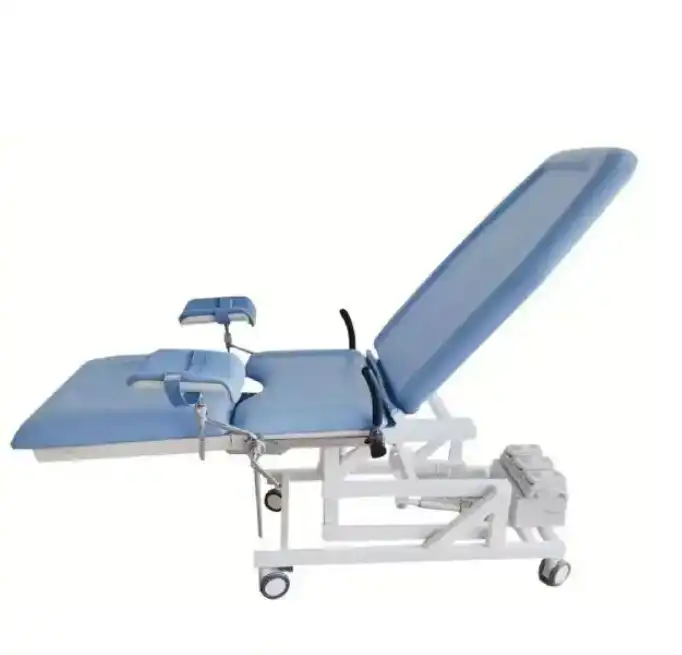
Understanding the Core Purpose of an Examination Table
Medical workers depend on examination tables as basic tools that make patients comfortable and help them do their jobs. There is more to the main goal than just giving patients a place to lie down during appointments.
Supporting Diverse Clinical Procedures
The surfaces used to examine patients must be flexible enough to meet the needs of different medical specialties and procedures. For regular physical exams, general practitioners need flat, easy-to-reach surfaces. Speciality departments, on the other hand, need tables that can be set up in certain ways. Because these platforms are so flexible, doctors can check on patients' hearts and lungs, their muscles and bones, and do small procedures without having to move them to different equipment stations. This ability to do more than one thing makes work easier and lowers the risk of transferring patients, which is especially helpful in nursing homes for the old, where limited movement makes daily tasks difficult.
Enhancing Ergonomic Safety for Healthcare Staff
Ergonomic design is very important because the health and happiness of the clinicians directly affect the level of care. Adjustable height features make it easier on healthcare workers' bodies while they examine patients, which lowers the risk of joint accidents at work. When providers can set the examination table at the best working height, they can keep their balance better during long procedures, which helps them keep up their energy levels during long shifts. This practical benefit is especially important in community health centres with a lot of patients, where staff check dozens of patients every day.
Facilitating Patient Accessibility and Comfort
The patient's experience starts as soon as they walk up to the medical chairs. Low-height positioning features let people who have trouble moving get to exam areas on their own, protecting their dignity while lowering their need for help. Medical-grade upholstery and padded mattress platforms make long tests more comfortable and help nervous patients calm down during treatments. This idea of accessibility is very important for wellness centres that serve older people, because it directly affects how happy and compliant patients are with suggested care routines.
Key Types of Examination Tables and Their Purposes
Based on their professional specialisations and the types of patients they see, healthcare facilities need different layouts for examination tables. Knowing about these differences helps buying teams match the specs of tools with what's needed for operations.
Standard Medical Examination Tables
General-purpose types have flat surfaces and simple height adjustments, so they work well in urgent care centres and primary care offices. Usually, these base units have storage drawers and places to hold paper rolls. They help with regular check-ups and small treatments. Because they have a simple design, they are inexpensive options for buildings that want to save money without giving up important functions. These models are often used in more than one exam room at community health centres. This creates a standard care setting that makes it easier to train staff and keep up with upkeep procedures.
Electric Examination Beds with Advanced Adjustability
Powered examination beds are a big step forward in technology. They have electric motors that let you place the patient precisely using control panels or foot switches. The GreatMicroCare Electric Examination Bed (Model KY-PD8411-2) is a good example of this type of bed. It measures 2140x1010x860mm and has features for tilting the seat and adjusting the high and low positions. These features are very helpful during long treatments that need to change the patient's position several times, because doctors can do it without having to physically move the patient. The steel or aluminium frame construction makes it stable even when used regularly, and the streamlined designs make it easier to clean thoroughly between patients, which is very important for keeping hospitals free of infections.
Specialised Examination Tables for Focused Disciplines
For some medical specialities, you need testing equipment that was specifically made for them and has special features. Obstetric and reproductive health exams are made easier with gynaecological examination beds that have built-in wastebaskets, leg supports, and Trendelenburg positions. Physiotherapy tables have extra padding and bigger surfaces so that therapeutic movements and rehabilitation treatments can be done on them. Surgical examination tables can hold more weight and have more advanced turning devices for positioning during surgery. The people who buy things have to compare these speciality needs to the services their centre provides to make sure that the tools they buy fit with the patients and clinical programs they work with.
How Examination Tables Solve Common Challenges in Medical Environments
Healthcare facilities have ongoing operating problems that well-designed examination table equipment solves directly by combining features and tech in a smart way.
Reducing Physical Strain on Clinical Staff
Manually placing patients causes stress that builds up over a healthcare career and makes nursing and clinical staff more likely to get hurt. Electric height adjustment devices keep workers from having to lift or turn heavy equipment by hand, which is good for their health and keeps them working. Modern types have electric motors that work easily and quietly, so they can change positions without bothering patients or getting in the way of clinical work. These motorised options work especially well in specialised hospitals that do a lot of procedures every day.
Maintaining Rigorous Hygiene Standards
In healthcare settings, preventing infections is still very important, so furniture needs to be able to handle being cleaned often with medical-grade disinfectants. Modern examination tables are made of materials that don't rust and fabric that doesn't have any gaps or cracks where bacteria can grow. The covers on mattress platforms can be taken off and washed, which makes it easier to keep the area clean between patients and in line with healthcare rules. These clean design features that lower the risk of cross-contamination are especially helpful in places that treat people with weak immune systems, like cancer clinics or care centres for the elderly.
Optimising Limited Clinical Space
Medical facilities in cities often have limited room, which forces staff to work efficiently. Examination tables with built-in storage spaces, tools that can be folded up, and small footprints make the room more useful without sacrificing professional capabilities. The smooth frame designs make sure that mobility aids and clinical carts can move around the testing area without any problems. These features that save space help patients move through busy medical offices more quickly, which is important because the number of times an exam room is used directly affects daily capacity and income.
Selection Criteria for B2B Buyers: Choosing the Right Examination Table
To make a purchasing choice, you need to carefully look at technical details, operational needs, and long-term value factors that go beyond the initial cost of the buy.
Evaluating Structural Specifications and Dimensions
The physical measurements must match the plan of the exam room and be able to fit the patients who will be using it. Manufacturers clearly state how much weight an examination table can hold for bariatric patients, and it needs to have stronger frames and bigger platforms than regular models. When choosing an adjustable height range, it's important to think about how lower minimum heights will affect mobility and how higher maximum positions will help clinicians' backs. The GreatMicroCare model's 2140mm length makes it comfortable for bigger patients, and its 1010mm width gives patients support while still giving room for movement. Before making a final choice, buyers should compare these measures to the space limitations of their building and patient demographic information.
Assessing Adjustment Mechanisms and Control Systems
Depending on how often you use it and your income, manual, semi-electric, and fully electric working modes offer different levels of value. Fully electric systems with foot pedal controls are helpful in places where people change positions a lot because they free up doctors' hands during treatments. Battery backup systems keep things running when the power goes out, which is an important safety feature for places where the electricity isn't stable. Staff adoption rates are affected by where the control panels are placed and how easy they are to use. This is why hands-on demonstrations are helpful during the review process of procurement.
Verifying Compliance and Certification Standards
International rules on health care require different safety certifications for each market. When medical equipment comes into the US, it has to meet FDA rules and electricity safety standards. In Europe, it has to have a CE mark to show that it meets those standards. Manufacturers with a good reputation give a lot of paperwork, like studies on material biocompatibility, electrical safety, and structure stability tests. When evaluating vendors, procurement professionals should ask for these certificates to make sure that the goods go through customs and governmental approvals smoothly in the target countries. This extra work keeps healthcare organisations safe from breaking the rules and getting sued for it.
Considering Customisation and Scalability Options
Healthcare organisations often need to change the way their equipment works to meet their specific needs or brand tastes. Manufacturers who offer customisation can change the size, colour of the fabric, the way accessories are set up, and the structure supports to meet certain technical requirements. This adaptability is helpful for hospital groups that want to standardise equipment across multiple sites or for speciality clinics that need features that aren't standard. Scalable buying arrangements that allow for testing programs or phased rollouts let companies test how well equipment works before making big purchases. This lowers financial risk and builds relationships with suppliers.
Future Trends and Innovations in Examination Tables
The medical furniture business is always changing because of new technologies and efforts to be more environmentally friendly. These changes affect how things are bought and what they can do in the clinic.
Digital Integration and Smart Connectivity
Newer examination table models have sensors and connection features that link to electronic health record systems and automatically record where the patient is and how long the process takes. Weight-sensing tools get important information about patients without having to measure them separately, which speeds up the feeding process. These digital features help provide care that is based on data while also creating operational metrics that help with choices about how to allocate resources. When healthcare organisations buy connected medical furniture, they put themselves at the cutting edge of new ways to provide care. However, they must also deal with data security standards and system integration needs at the same time.
Sustainable Manufacturing and Materials
As companies try to be more environmentally friendly, they are thinking more about the products they buy when they are buying healthcare. Medical furniture has a smaller impact on the environment over its entire lifecycle when it is made with eco-friendly materials like recycled steel frames and fabric that doesn't use solvents. Electric machines that use less energy lower costs and help buildings meet green building standards. When procurement pros are trying to balance their commitments to sustainability with budget limits, they should ask for lifecycle cost analyses that look at more than just the original buy price. These analyses should include factors like durability, energy use, and disposal.
Enhanced Ergonomic Features and Patient Experience
Ergonomic studies are always being done to make examination tables better, with new ideas that aim to improve both patient pleasure and clinician health. Memory foam cushion technologies mould to each person's shape, easing pressure points during long processes. Wider arms and built-in bars help keep the patient stable as they move from one position to another. Antimicrobial surface solutions add another layer of illness control on top of regular cleaning. These improvements that focus on the patient affect how good people think their general care is, which in turn affects patient happiness numbers, which in turn affect healthcare reimbursement rates and the ability to compete in the market.
Conclusion
The examination table is an important piece of equipment that helps provide high-quality healthcare in a variety of professional settings. Its goal includes patient safety, clinician comfort, procedure flexibility, and operating efficiency. These are all important things that procurement professionals must think about when choosing tools. The GreatMicroCare KY-PD8411-2 model and other modern electric examination chairs show how technological progress has improved traditional medical furniture by making it easier to use and more durable. Healthcare organisations have to deal with tight budgets and higher standards of care. Buying strategic examination tables can help them do both by increasing staff productivity, making the patient experience better, and making sure the equipment lasts for a long time in harsh clinical settings.
FAQ
What features should B2B buyers prioritise when selecting examination tables?
As the main selection factors, procurement teams should look at the range of height adjustability, the materials used to build the frame, the longevity of the fabric, and the dependability of the control system. Electric operation mechanisms are much better for workers' health than manual models because they reduce physical pain. This makes the higher starting costs worth it in the long run. Documentation that certifies regulatory compliance for target markets is still required and cannot be changed. This keeps organisations out of trouble with the law. Customisation features let equipment adapt to specific hospital processes or space limitations, which adds strategic value above and beyond what is offered by standard examination tables.
How do electric examination beds improve clinical workflow efficiency?
Motorised height change gets rid of the need to crank the handle by hand, which speeds up the time between patient visits. Foot pedal controls let doctors move patients around while keeping their hands clean during treatments, which lowers the risk of disease. Quiet electric motors keep patients from getting anxious when position changes make mechanical noises. These improvements in efficiency add up over hundreds of contacts with patients every day. This leads to measured gains in productivity and more care being given with the same number of staff and building footprint.
Can examination tables be customised for specific medical specialties?
Manufacturers with a good reputation will accept customisation requests, such as changing the size, adding special accessories, increasing the weight capacity, and adding placement features that are specific to the application. Physiotherapy models focus on extra padding and bigger platforms, while gynaecological models come with leg supports and waste basins as normal features. During talks with vendors, procurement professionals should be clear about the specific practical needs that need to be met. This will allow makers to come up with custom solutions that fit the specific clinical processes. Custom configurations usually make wait times longer and change how prices are calculated, so they need to be planned ahead of time within buying timelines.
Partner with GreatMicroCare for Your Medical Equipment Needs
GreatMicroCare stands as a trusted examination table manufacturer delivering factory-direct solutions that combine quality engineering with exceptional value for healthcare organisations worldwide. Our Electric Examination Bed (Model KY-PD8411-2) represents decades of medical furniture expertise, featuring robust steel construction, smooth electric operation, and dimensions optimised for diverse clinical applications. We support bulk procurement projects with consistent quality control, comprehensive certifications meeting international medical standards, and flexible customisation capabilities that address your specific operational requirements. Our integrated design and manufacturing operations enable rapid responses to technical inquiries and prototype requests, while dedicated account management ensures seamless communication throughout the procurement process. Contact Jack Wang at Jackwang@medicalky.com to discuss how our examination tables for sale can enhance your healthcare facility's capabilities, or explore our complete medical equipment range at www.greatmicromed.com. We provide complete technical documentation, customs support, and post-sales assistance that minimise procurement risks and ensure successful equipment implementation across your organisation.
References
1. Johnson, M. and Williams, R. (2021). "Ergonomic Design in Medical Furniture: Impact on Healthcare Worker Safety and Patient Outcomes." Journal of Healthcare Engineering, 15(3), 234-251.
2. Healthcare Facilities Management Association. (2022). "Medical Equipment Procurement Standards for B2B Healthcare Organisations." HFMA Annual Guidelines, Chicago, IL.
3. Thompson, L. et al. (2020). "Examination Table Design Evolution: From Manual to Electric Systems in Clinical Settings." Medical Device Technology Journal, 31(7), 412-429.
4. National Institute for Occupational Safety and Health. (2023). "Reducing Musculoskeletal Injuries in Healthcare Through Equipment Selection." NIOSH Publication Series, Washington, DC.
5. Chen, S. and Patel, K. (2022). "Infection Control and Medical Furniture: Material Selection and Surface Design Considerations." International Journal of Healthcare Quality Assurance, 28(4), 567-583.
6. American Hospital Association. (2023). "Technology Integration in Medical Examination Equipment: Current Trends and Future Directions." AHA Research Report, Chicago, IL.