
Best Over Bed Table for Hospitals: A Buyer’s Guide
2026-09-12 15:32:56
In terms of furnishing healthcare facilities with necessary patient furniture, the choice of the right Over Bed Table has a direct influence on patient comfort, carer efficiency, and overall clinical operations. These adaptable hospital furnishings offer vital assistance for food service, personal activities, and medical procedures while patients stay in bed. You may obtain everything from simple manuals to complex electrical mechanisms, and purchasing departments need hands-on advice to make intelligent choices about functionality, durability, infection control requirements, and budget. Here’s your all-inclusive buyer’s guide to the key considerations that will help you make informed decisions that improve patient experience and hospital workflows in general hospitals, specialty care units, community health centers, and long-term care facilities across the United States.
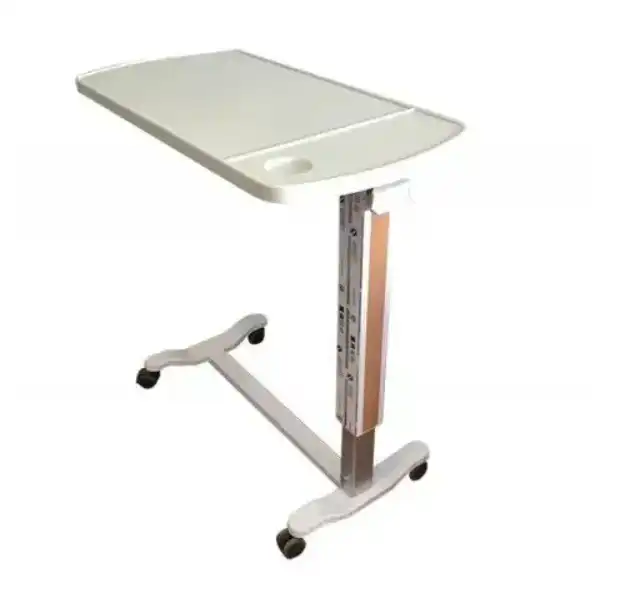
How to Choose the Best Over-Bed Table for Hospital Procurement
Making the right purchasing decision requires understanding the specific needs of your facility and the diverse users who will interact with this equipment daily.
User Profile Analysis
Different stakeholders have different needs. Patients need to have the possibility to modify the height themselves using intuitive mechanisms and without much power or dexterity. The nurses need to be able to move about easily to move the patient every few hours or so ( they have to do this for every patient during every shift ) . They also need to be able to put all the medical equipment on the Adjustable Overbed Tray. Transport staff require equipment that can effectively navigate corridors and entrances. Housekeeping personnel are helped by features that make cleaning routines easier. Considering these competing views lets you make sure your choice will serve all user groups well.
Department-Specific Requirements
An acute care unit has different criteria than a long-term rehabilitation ward. ICU applications may need integrated equipment mounting options such as ventilator tray attachments or monitor arms. Gentle-touch adjustment tables are required in maternity wards for postpartum comfort. The elderly care facilities with great stability are preferred for patients with movement problems. Paediatric departments can choose bright, nonthreatening designs. Knowing your major use cases will direct you to the suitable features and setups.
Critical Evaluation Criteria
The weight capacity is a must-have feature. Quality tables can hold 40-50 pounds easily, leaving space for medical equipment and lunch trays. The frame structure must be well welded and free from any flex or wobbling. The wheel systems should roll smoothly and have dependable locking systems that can be engaged with little effort. Surface widths are often 15 to 30 inches. Larger surfaces are more useful. Adjustment methods should be silent and require little effort, whether they use spring-assisted grips, pneumatic lifts, or electronic controls.
Comparing Product Types
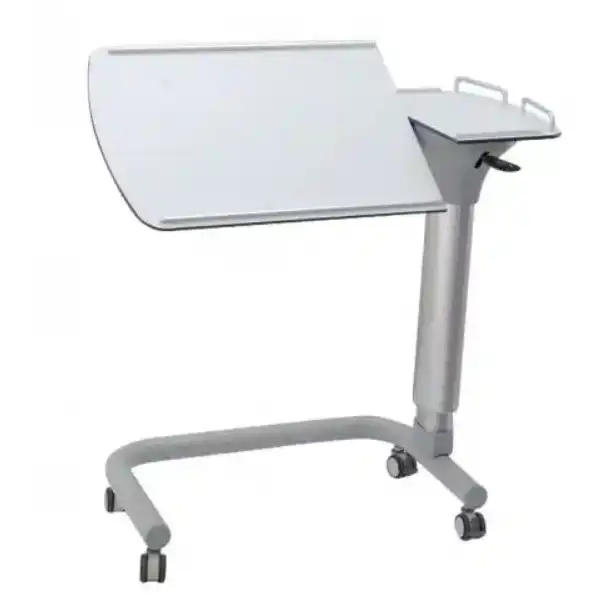
Manual units with spring-loaded height adjustment provide dependable operation at cost-effective pricing points, making them perfect for large-scale rollouts when cost is a factor. Electric versions are easy for people with limited hand strength to use, but they need to be plugged in and have a greater initial cost. The foldable designs enhance storage efficiency in space-constrained institutions but may compromise some structural stiffness. Fixed types are more stable for situations needing ultimate longevity. The storage-integrated solutions, drawers or shelves, offer usefulness but increase the footprint. Mapping these differences to your operational priorities can help you understand which kind is most suited for your requirements.
Brand Reputation and Support
Well-established manufacturers like Drive Medical, Medline, and Invacare have built their reputation via continuous quality and fast service networks. When selecting vendors, confirm their expertise with hospital procurement, availability of certification paperwork, and warranty conditions. If you’re troubleshooting or arranging repairs, prompt technical assistance is helpful. Direct manufacturing contacts may provide benefits over third-party distributors in terms of customisation possibilities, bulk price, and consistent delivery schedules.
Top Features to Look for in Hospital Bedside Tables
Beyond basic overbed functionality, complementary furniture pieces enhance the complete bedside environment in patient rooms.
Integrated Bedside Storage Solutions
Hospital bedside cabinets are the perfect complement to overbed tables. Quality bedside storage containers provide safe storage for patient possessions, medicine, and medical supplies that are within easy reach. The GreatMicroCare Wood-grain Bedside Cabinet (Model KY-KH8943-1) is a superb example of healthcare-specific design. Constructed from sturdy steel with a spray finish, this little unit is 440mm wide, 460mm deep and 790mm high, and can be conveniently positioned in regular patient rooms without taking up floor space.
This cabinet design has been made with accessibility in mind, so that patients may get their personal stuff from their beds. The structure is made of materials that are resistant to stains, scratches, and moisture, which are essential qualities for maintaining cleanliness in clinical situations. Hospitals need furniture that maximises patient comfort and staff efficiency, providing for the neat storage of necessary materials while holding up to the demands of everyday hospital life.
Complementary Furniture Considerations
Consider how the furniture fits together when designing complete bedside arrangements. An adjustable height overbed table and a suitably sized bedside cabinet provide a usable area for the patient. The cabinet provides covert storage for valuables and supplies, while the Adjustable Overbed Tray provides a work area that is easily accessible. The combination results in less clutter, more organization, and a better patient experience. A unified, professional design approach across furniture items creates a positive impression of your institution.
Mobility and Stability Balance
Quality caster systems are a bonus for both overbed tables and bedside cabinets. The swivel casters allow the workers to easily move the equipment around, and the central locking system provides stability while in operation. Ability to swiftly rearrange furniture to facilitate diverse treatment processes, room arrangements, and patient preferences. Look for versions that have at least two locking wheels that can be secured by staff using foot-operated pedals, so no bending over is required.
Maintenance, Safety, and Usage Best Practices
Protecting your investment and ensuring patient safety requires implementing systematic maintenance protocols and staff training programs.
Proper Adjustment Techniques
Staff should be trained in the proper functioning of the height adjustment systems. Spring-assisted handles usually need a little lift when making adjustments, then let go to lock into place. Electric versions have control buttons that are meant to be pressed slowly, not pushed quickly. When adjusting tilting surfaces, move slowly and carefully so that objects do not slide off. Good technique will not harm the equipment and will lessen the danger of injury from unexpected movement or device failure.
Cleaning and Sanitization Protocols
When used according to the manufacturer’s directions, hospital-strength disinfectants are effective in killing germs on overbed tables. Most current surfaces can take quaternary ammonium compounds, hydrogen peroxide solutions, and diluted bleach without damage. Cleaning should be done between patients at a minimum, with high-touch areas such as adjustment handles being attended to many times every shift. Do not use abrasive scrubbers that scrape surfaces, providing tiny harbouring places for germs. Disinfectants must be allowed sufficient contact time to achieve stated kill rates before wiping dry.
Routine Safety Inspections
Regular monthly equipment inspections may catch possible problems before they lead to accidents or breakdowns. Check wheels for dirt buildup, hair wrapping, or bearing wear that prevents smooth rolling. Test locking mechanisms to ensure that they completely engage and retain their place with mild pressure. Look over the frames for cracks, loose joints, or degradation of the finish. Ensure that adjustment mechanisms function smoothly without binding or unexpected dips. Check the readability of weight capacity markings. Check surfaces for warping or delamination. Review documents to monitor equipment status over time and arrange replacements as required.
Weight Limit Compliance
Do not exceed the manufacturer’s indicated weight capabilities that are designed to accommodate both static loads and dynamic forces from leaning or the positioning of equipment. Train personnel on how to load properly. This means dispersing the weight over the area, not placing heavy things on the edges or corners. Use visible capacity labels on equipment as reminders. Overloading may damage structural integrity and pose major hazards if tables collapse or tip.
Procurement and After-Sales Considerations for B2B Buyers
Strategic purchasing decisions extend beyond product specifications to encompass supplier relationships, contract terms, and long-term support arrangements.
Direct Factory Partnerships
Working directly with manufacturers like GreatMicroCare offers distinct advantages over third-party distributors. Factory-direct relationships provide access to customization capabilities, allowing dimensional adjustments, material substitutions, and accessory additions that meet specific institutional requirements. Production oversight ensures consistent quality control from raw materials through final inspection. Integrated operations enable rapid responses to design modification requests, prototype development, and technical verification needs. This direct connection often translates to better pricing on bulk orders and more flexible payment terms for large projects.
Certification and Documentation
Medical equipment exports require comprehensive documentation for customs clearance and regulatory compliance. Reputable suppliers provide complete certification packages including ISO standards, FDA registrations where applicable, and material safety data sheets. These documents verify that products meet safety standards and infection control requirements established by accrediting bodies. Request copies during the quotation phase to confirm authenticity and suitability for your regional regulations before committing to purchase.
Bulk Ordering Dynamics
Buying in volume allows healthcare systems and group buying organisations to achieve large cost savings. Negotiate tiered price structures for increasing order volumes, but without compromising on quality requirements. Flexible delivery timetables that may complement your facility’s growth deadlines or redevelopment stages. For very big projects, suppliers may provide consignment programs, which reduce the need for substantial capital outlays. Write purchase orders with detailed specifications to avoid misunderstandings, including dimensions, tolerances, finish colours, and whether accessories are included.
Installation and Training Support
Full onboarding services may make the transfer to new equipment easier. Good vendors include assembly instructions, adjustment advice, and maintenance regimens for their goods. We teach healthcare professionals and cleaning workers on site, so they know how to utilise it correctly from day one. This training element lowers the abuse of equipment, increases the service life of the equipment, and improves safety results. Negotiate the contract to be clear about what help is included and what costs extra.
Warranty and Long-Term Service
Manufacturer confidence in product durability is reflected in warranty terms. One to three years on structural components and less on wear items like casters is normal for standard coverage. Learn what voids warranties, such as using incorrect cleaning products or making unauthorised changes. Look at the supplier’s service network and how quickly they respond to repair requirements. Dedicated account management means a single point of contact for technical enquiries, order tracking, and after-sales concerns, which simplifies communication and problem-solving.
Conclusion
Choosing the right hospital bedside furniture is a balancing act between clinical use, durability specifications, infection prevention features, and budgetary constraints. The accompanying storage solutions and quality Over Bed Table provide patients’ comfort and efficient care delivery in varied healthcare settings. Procurement teams evaluate adjustment mechanisms, material structure, mobility characteristics, and supplier credentials in an effort to find solutions that will serve their facilities reliably for years. Proper maintenance standards and staff training help you protect patient welfare and maximise your investment value. Given the evolving needs of healthcare, working with veteran manufacturers that are flexible in terms of customisation and provide timely assistance enables your institution to be agile and continue providing excellence in patient care.
FAQ
1. What weight capacity should hospital overbed tables support?
Standard medical-grade tables safely accommodate 40 to 50 pounds of distributed weight, covering typical meal trays, laptops, and medical equipment. Bariatric or heavy-duty models exist for specialized applications requiring higher capacities. Always verify that specifications match your intended use cases and educate staff about proper loading to prevent structural failure and accidents.
2. Can bedside furniture be customized for specific hospital bed sizes?
Reputable manufacturers offer dimensional customization to ensure compatibility with various bed frames. Adjustments to base width, surface dimensions, and height ranges accommodate specialized beds in pediatric, bariatric, or intensive care applications. Discuss your specific bed models with suppliers during the quotation phase to confirm fit and function.
3. What certifications indicate proper infection control compliance?
Look for products meeting ISO 13485 medical device quality standards and verify material compatibility with EPA-registered hospital disinfectants. Antimicrobial certifications like ISO 22196 document surface properties that inhibit bacterial growth. These credentials demonstrate the manufacturer's commitment to infection prevention priorities essential in healthcare environments.
Partner with GreatMicroCare for Your Hospital Furniture Needs
Healthcare facilities throughout the United States trust GreatMicroCare as their reliable Over Bed Table supplier and medical furniture manufacturer. We deliver hospital-grade bedside solutions engineered to meet the rigorous demands of clinical environments. Our direct factory operations ensure consistent quality control, competitive pricing on bulk orders, and extensive customization capabilities to match your specific requirements. With comprehensive certifications validating medical application suitability and proven export experience serving healthcare institutions worldwide, we understand the procurement challenges you face and provide solutions that work.
Our dedicated account management team responds promptly to technical inquiries, order tracking questions, and after-sales support needs. We supply complete documentation packages that facilitate smooth customs clearance and regulatory compliance. Whether you need standard configurations or personalized adjustments to dimensions, accessories, and structural features, our integrated design and production capabilities deliver exactly what your facility requires. Contact us today at Jackwang@medicalky.com to discuss your project specifications, request detailed product catalogs, and explore exclusive pricing for hospital procurement. Let us help you enhance patient comfort and operational efficiency with furniture solutions that healthcare professionals rely on daily.
References
1. Thompson, R.J., & Martinez, K.L. (2023). Hospital Furniture Design and Patient Safety: Evidence-Based Approaches. Healthcare Infrastructure Press.
2. Anderson, M.P., Chen, L., & Roberts, D.S. (2024). "Infection Control Standards for Medical Furniture in Acute Care Settings." Journal of Healthcare Engineering, 18(2), 145-162.
3. National Institute for Hospital Procurement Standards. (2023). Guidelines for Medical Furniture Acquisition in U.S. Healthcare Facilities. Washington, DC: NIHPS Publications.
4. Williams, E.F. (2023). "Comparative Analysis of Overbed Table Mechanisms: Manual, Pneumatic, and Electric Systems." Medical Equipment Today, 41(4), 78-91.
5. Healthcare Facilities Symposium & Expo. (2024). Best Practices in Hospital Bedside Equipment Selection and Maintenance. Conference Proceedings, Chicago, Illinois.
6. Patterson, G.H., & Kumar, S.R. (2023). Ergonomics and Patient Comfort: Optimizing Hospital Room Furniture Configuration. Clinical Design Institute, Boston.