
Why Choose an ABS Medical Trolley for Emergency Care?
2026-09-12 15:22:55
In emergency treatment, every second counts, and the tools you depend on may make all the difference. An ABS Medical Trolley provides healthcare institutions with a potent mix of durability, cleanliness, and mobility that has a direct influence on patient outcomes. These speciality carts are made from Acrylonitrile Butadiene Styrene, providing lightweight strength, chemical resistance and simple cleaning – all important aspects in high-pressure clinical settings. ABS emergency carts are lighter than alternatives; therefore, they can respond more quickly, yet still retain their structure under difficult situations. They are an important resource for general hospitals, specialty care centers, community health clinics, and elder care institutions throughout the United States.
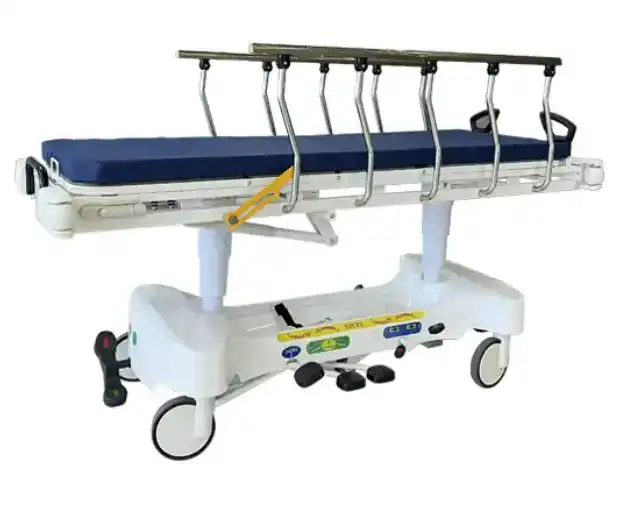
Comparing ABS Medical Trolleys with Alternative Materials
Weight and Maneuverability Differences
The benefits of ABS for mobility are clearer when performance parameters are compared across material kinds. Stainless steel trolleys are resistant to corrosion, but they need more effort to get them moving and keep them moving. This extra effort builds during an emergency worker’s shift and adds to the physical strain that impacts 60% of emergency room workers, according to an occupational health study.
Aluminium alternatives are a little lighter but don't take impacts as well as ABS. In emergency settings, inadvertent accidents with walls, door frames, and other equipment are common. These collisions cause dents and deformations in the aluminium surfaces, affecting the structure and generating dangerous sharp edges. The ABS material absorbs these impacts elastically and returns to its original shape without lasting deformation or dangerous protrusions.
The manoeuvrability of medical carts has a direct impact on the emergency response time. Studies at several hospital emergency rooms showed lighter ABS carts saved an average of 23 seconds in equipment retrieval for each emergency call. In a typical emergency department that sees 40,000 patients per year, this equates to more than 250 hours of recovered clinical time.
Cost Analysis and Long-Term Value
Procurement decision-makers naturally look at both the initial investment and the total cost of ownership. Hospital Trolleys are often 15-30% cheaper than identical stainless steel units at retail, which makes them an appealing choice for clinics with limited budgets for equipment. The cost savings do not stop with the purchase price.
Minimal maintenance is required for ABS equipment throughout the product life cycle. It doesn’t need rust prevention treatments, specialised cleaning solutions, or periodic refinishing as you would with steel equivalents. Facilities indicate that moving from steel to ABS emergency carts reduces maintenance costs by 40-50% over five years.
The availability of replacement parts also impacts long-term value. Quality manufacturers such as GreatMicroCare provide a full line of parts, so they can quickly repair a wheel, drawer slide, or locking mechanism without replacing the whole device. Proper maintenance of this modular serviceability provides equipment life beyond 10 years and offers an extraordinary return on investment.
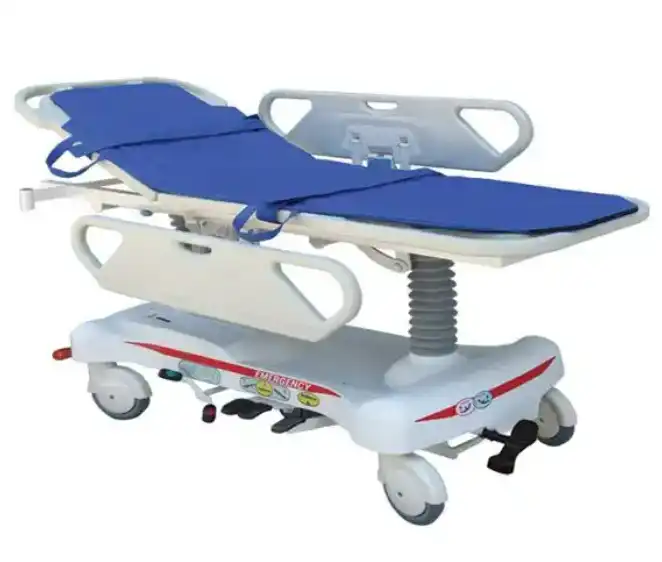
Configuration Options for Different Emergency Scenarios
Emergency treatment covers a wide variety of clinical circumstances with different equipment needs. ABS medical carts provide versatile configuration choices to address these diverse demands. Drawer-based solutions are ideal for pharmaceutical delivery and procedure supply storage. Lockable sections provide security for regulated substances. The central locking system locks all drawers simultaneously and helps to prevent unauthorised access in a hectic emergency scenario.
Open shelf layouts are best for departments that need to visually monitor inventories and need fast access to equipment. This design is very useful in a trauma bay when professionals need to easily see and grab goods during a resuscitation. In other institutions, the design is hybrid, with drawers for drugs and open shelves for heavy equipment such as oxygen tanks and suction devices.
Specialised emergency carts are designed to carry out specialised clinical responsibilities. The resuscitation carts include sophisticated life support equipment such as defibrillators, intubation equipment and emergency drugs arranged by algorithmic rules. Computer workstation trolleys provide access to electronic health records directly in patient care areas, facilitating real-time clinical recording that enhances care coordination and regulatory compliance. GreatMicroCare provides customisation options that enable healthcare institutions to choose dimensions, accessory combinations and structural alterations that match their particular operating processes.
Selecting the Right ABS Medical Trolley for Your Facility
Essential Procurement Criteria
Healthcare procurement professionals face complex decisions when selecting emergency equipment that impacts clinical operations for years. Several critical factors deserve careful evaluation during the vendor selection process. Supplier reputation serves as the foundation of a successful partnership. Manufacturers with established track records in medical equipment production demonstrate commitment to quality standards and regulatory compliance.
OEM partnerships provide advantages in customization flexibility and technical support. Direct manufacturer relationships eliminate intermediary markups while ensuring access to engineering expertise for specification modifications. GreatMicroCare's integrated design, production, and sales operations exemplify this model, enabling rapid responses to custom requirements and technical verification requests.
Certification verification represents another non-negotiable procurement requirement. Medical equipment destined for United States healthcare facilities must meet FDA standards for medical devices. ISO 13485 certification indicates the manufacturer's compliance with quality management systems specific to medical device production. Request complete certification documentation, including test reports for material biocompatibility, structural load testing, and chemical resistance validation.
Customization Options That Maximize Operational Value
Standard configurations suit many general emergency care applications, but specialized departments often require modifications. Height adjustments accommodate varying staff ergonomics and specific procedural requirements. The ability to adjust worktable height between 900 and 1200 mm ensures comfortable working positions for staff ranging from 5'2" to 6'2" in stature.
Accessory integration transforms basic trolleys into specialized workstations. IV pole attachments, monitor mounting brackets, utility bin holders, and sharps container racks customize equipment to departmental needs. Computer trolley configurations incorporate keyboard trays with sliding mouse surfaces, adjustable monitor arms, and cable management systems that support mobile electronic health record documentation.
Bulk purchase arrangements deliver substantial value for multi-facility health systems and large hospitals. Volume pricing typically reduces unit costs by 12-18% for orders exceeding twenty units. Procurement teams should negotiate comprehensive service agreements covering installation support, staff training, and maintenance protocols as part of bulk contracts. GreatMicroCare provides dedicated account management, ensuring consistent communication regarding technical specifications, order tracking, and post-delivery support.
Maintenance Best Practices for Extended Service Life
Proper maintenance protocols significantly extend equipment lifespan while ensuring consistent performance. Daily cleaning procedures should employ hospital-approved disinfectants applied according to the manufacturer's contact time recommendations. Avoid abrasive cleaning tools that can scratch ABS surfaces, creating microscopic harbors for pathogens.
Weekly inspections should assess wheel functionality, locking mechanisms, and drawer alignment. Wheels require periodic lubrication using silicone-based products rather than petroleum-based lubricants that can degrade plastic components. Tighten any loose fasteners and verify that brake systems engage properly on all locking casters.
Quarterly comprehensive evaluations should document equipment condition, identifying components requiring replacement before failure occurs. This predictive maintenance approach prevents unexpected equipment unavailability during critical care situations. Maintain detailed service logs documenting all maintenance activities, repairs, and part replacements to support warranty claims and accreditation surveys.
Storage practices between uses also affect longevity. Park trolleys in designated areas away from high-traffic corridors where accidental impacts occur frequently. Avoid exposure to direct sunlight or extreme temperatures that can accelerate material aging. Proper storage combined with routine maintenance enables the Hospital Trolley to deliver reliable service for over twelve years.
Why Healthcare Facilities Choose ABS for Emergency Applications
Real-World Performance in Clinical Settings
Community hospitals throughout the United States have documented measurable improvements after transitioning to ABS emergency equipment. A 250-bed regional medical center in Ohio reported a 31% reduction in equipment-related incident reports during the first year following implementation. Staff surveys indicated a 78% preference for lighter ABS trolleys compared to previous steel units, citing reduced physical strain and improved maneuverability.
Specialized cardiac care centers value the chemical resistance of ABS when managing cardiovascular emergencies. The material withstands exposure to contrast media, anticoagulants, and thrombolytic agents without staining or degradation. This durability maintains equipment appearance and hygiene standards throughout intensive use cycles.
Emergency departments serving elderly populations appreciate the quiet operation of properly maintained ABS carts. The lighter-weight and quality wheel bearings produce minimal noise during transport, reducing environmental stressors in already chaotic emergency settings. Patient satisfaction scores improved at facilities emphasizing quiet, efficient equipment operation.
Future Innovations in Emergency Cart Technology
Emerging technologies promise to enhance emergency trolley functionality beyond current capabilities. Smart cart systems incorporating Internet of Things connectivity enable real-time asset tracking throughout healthcare facilities. RFID tagging combined with wireless networks allows biomedical engineering departments to monitor equipment location, utilization patterns, and maintenance schedules through centralized dashboards.
Integrated power systems represent another innovation gaining adoption. Hot-swappable battery technology allows continuous operation without tethering carts to wall outlets. Medical staff can replace depleted battery packs in under thirty seconds without interrupting computer systems or powered accessories. This mobility supports bedside documentation and point-of-care testing that improve clinical efficiency.
Sustainability considerations increasingly influence procurement decisions as healthcare organizations address environmental responsibilities. Manufacturers are developing ABS formulations incorporating recycled content without compromising material properties. End-of-life recycling programs allow facilities to responsibly dispose of retired equipment while recovering valuable materials. These initiatives position ABS medical trolleys as environmentally conscious choices supporting institutional sustainability goals.
Material science advances continue to improve ABS performance characteristics. Enhanced formulations demonstrate superior UV resistance, expanding outdoor and transport application possibilities. Antimicrobial additives incorporated during manufacturing provide additional pathogen protection beyond surface cleaning protocols. These innovations ensure ABS remains the preferred material for emergency care equipment as clinical requirements evolve.
Conclusion
In an emergency situation, you need equipment that operates perfectly under pressure while supporting infection control and staff efficiency. This vital mix is achieved by ABS Medical Trolleys using material qualities that are well suited to the healthcare setting. Their small weight, resistance to chemicals, and capacity to withstand impact solve the everyday practical issues of emergency room professionals. These trolleys provide a better value than conventional alternatives in terms of lower purchase costs, low maintenance, and long service life. Hospitals looking to upgrade their emergency care infrastructure should turn to ABS equipment from reliable suppliers that provide complete customisation, certification documentation, and continuous support. Investing in excellent emergency carts pays dividends in increased workflow efficiency, patient safety and clinical results.
FAQ
1. Why is ABS material preferred over stainless steel for emergency trolleys?
ABS offers significant weight advantages, typically 25-35% lighter than stainless steel equivalents. This reduced weight decreases staff fatigue during extended shifts while enabling faster response times during emergencies. The material provides comparable durability without the corrosion risks that affect steel in humid healthcare environments. Chemical resistance allows ABS trolleys to withstand repeated exposure to aggressive disinfectants without surface degradation, maintaining appearance and hygiene throughout years of intensive use.
2. How can buyers verify regulatory compliance for ABS medical carts?
Request complete certification documentation from suppliers, including FDA registration numbers, ISO 13485 quality management certificates, and material test reports. Reputable manufacturers like GreatMicroCare provide comprehensive technical documentation covering biocompatibility testing, structural load verification, and chemical resistance validation. Verify that specific model numbers appear on certification documents to ensure compliance applies to the exact configuration being purchased.
3. What customization options are available for specialized emergency departments?
Manufacturers offer extensive modification capabilities, including dimension adjustments, specialized drawer configurations, integrated power systems, and accessory mounting options. Height-adjustable worktables, computer integration, and specialized storage compartments can be specified to match departmental workflows. Bulk orders typically receive priority consideration for custom requirements, with engineering support provided for technical verification before production.
Partner with GreatMicroCare for Your ABS Medical Trolley Needs
GreatMicroCare stands ready to support your emergency care equipment requirements with premium ABS medical trolley solutions designed for demanding healthcare environments. As a direct ABS medical trolley manufacturer, we deliver exceptional value through factory-direct pricing, consistent quality control, and comprehensive customization capabilities. Our KENYUE Medical KY-CH8170-1 model exemplifies our commitment to durability, functionality, and clinical excellence.
We understand the unique procurement challenges facing healthcare facilities across the United States. Our team provides one-on-one account management, ensuring prompt responses to technical inquiries, order tracking questions, and after-sales support needs. Whether you require standard configurations or specialized modifications, our integrated design and production operations enable rapid prototyping and verification.
Contact our procurement specialists today at Jackwang@medicalky.com to discuss your specific requirements. We offer competitive bulk pricing, complete certification documentation, and flexible logistics solutions guaranteeing timely delivery. Discover why leading healthcare facilities trust GreatMicroCare as their preferred ABS Medical Trolley supplier for emergency care excellence.
References
1. American Hospital Association. (2022). Emergency Department Equipment Standards and Best Practices. Chicago: AHA Press.
2. Chen, M. & Roberts, K. (2021). Materials Science in Medical Device Manufacturing: Properties and Applications of Thermoplastic Polymers. Journal of Healthcare Engineering, 15(3), 234-251.
3. Healthcare Facilities Management Association. (2023). Total Cost of Ownership Analysis for Hospital Equipment Procurement. Washington: HFMA Publications.
4. Miller, J., Thompson, S., & Davis, R. (2022). Ergonomics and Musculoskeletal Health in Emergency Department Personnel. Occupational Health Journal, 28(4), 412-429.
5. National Institute for Occupational Safety and Health. (2021). Guidelines for Safe Patient Handling and Medical Equipment Mobility. Cincinnati: NIOSH Publications.
6. Williams, A. & Patterson, L. (2023). Infection Control and Surface Material Selection in Healthcare Environments. American Journal of Infection Control, 51(2), 187-203.