
Why Choose OEM Over Bed Tables for Healthcare Facilities?
2026-09-20 22:00:41
Investing in an OEM Over Bed Table for your healthcare institution is a strategic decision that directly influences patient happiness, operational efficiency, and long-term cost management. OEM solutions from manufacturers such as GreatMicroCare provide customisable designs that align with your institution’s specific clinical requirements, stringent quality assurance processes that guarantee regulatory compliance, and dependable supply chain support that is essential for bulk procurement, unlike generic alternatives. When procurement managers work with seasoned OEM suppliers, they get adjustable height mechanisms, mobility features, and sanitary surface materials customised for healthcare contexts. This basic choice affects everything from patient comfort during recovery to carer workflow optimisation in general hospitals, speciality medical centres, aged care facilities, and rehabilitation units across the U.S. healthcare industry.
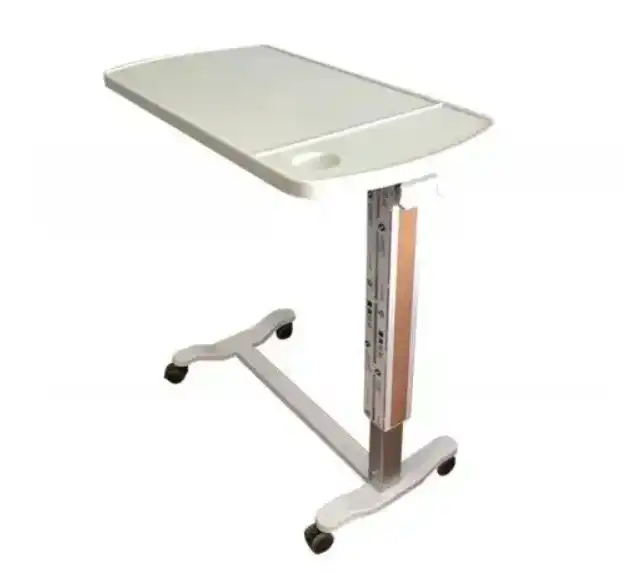
The Value of Choosing OEM Over Bed Tables
The purchase of medical equipment via agreements with OEMs is significantly different from buying generic or branded items through distribution. OEM connections are direct ties with manufacturers that design, construct, and quality-test equipment to meet the demands of the healthcare market. This strategy gives healthcare institutions unique benefits that are not often offered via retail channels or third-party suppliers.
Customization Capabilities That Address Unique Clinical Needs
As a producer of OEM solutions, GreatMicroCare provides customisation possibilities for Adjustable Overbed Tray designs to meet unique institutional needs. They may also ask to change the measurements. Sometimes a hospital wing is being remodelled, and the rooms are smaller than the standard, or a special care unit has a smaller layout. Accessory integration, such as IV Pole attachments, integrated power outlets for medical equipment, or customisable storage compartments, converts conventional tables into complete bedside workstations customised for certain clinical operations.
Material versatility enables procurement managers to pick finishes that complement the aesthetics of existing rooms, while still achieving infection control criteria. The ability to customise the colour isn’t just about looks; it can also be used to identify equipment for a particular department or kind of patient, helping to reduce cross-contamination and making inventory easier to track. Such bespoke solutions overcome space limitations and performance needs that cannot be met by off-the-shelf options, resulting in tangible gains in the efficiency of care delivery.
Quality Control and Regulatory Compliance
OEM manufacturers are distinguished from generic vendors by strict quality control procedures. When we manufacture in our own plant, we control the whole process from raw material through to final inspection. This guarantees uniformity even for big orders. GreatMicroCare has multi-stage quality verification procedures that check the structural integrity, surface durability, and dependability of mechanical components before goods leave the production facility. This method reduces fault rates and ensures that performance standards fulfil regulatory requirements in healthcare environments.
A further benefit is that of certification compliance. OEM suppliers are expected to have paperwork supporting compliance with medical device standards necessary to get access to both the U.S. and overseas markets. These certificates address material safety, structural testing, and infection control compatibility, documents critical to passing facility inspections and meeting accreditation criteria. Working with qualified OEM suppliers, procurement managers mitigate compliance risks and make sure equipment satisfies increasing healthcare requirements.
Supply Chain Optimization and Scalability
OEM connections facilitate the optimisation of supply chain management via direct communication channels and flexible production scheduling. Healthcare institutions that are now undergoing renovations or upgrading equipment system-wide find valuable manufacturers who provide steady delivery schedules and allow for large orders. With the combination of design, manufacturing, and sales, GreatMicroCare can respond rapidly to specification changes, prototype creation, and technical verification requirements, streamlining procurement procedures for major healthcare networks.
Scalability is especially important for expanding health systems and for distributors who supply many sites. This means OEM alliances give consistent price structures on repeated purchases, predictable lead times that enable project planning, and technical support that spans product lifecycles. Such stability is crucial for coordinating equipment installation across several locations or managing inventories for sudden expansion demands, instances in which generic suppliers typically falter in maintaining consistency and response.
Comparison of OEM Over-Bed Tables vs. Other Market Solutions
Procurement decisions require analytical comparison of OEM products against branded alternatives and generic options available through medical supply distributors. This evaluation encompasses quality differentials, cost structures, warranty provisions, and after-sales support—factors that collectively determine long-term value and total cost of ownership.
Quality and Durability Assessment
OEM over-bed table models typically demonstrate superior construction quality compared to generic alternatives. Direct factory control ensures consistent material grades, precise manufacturing tolerances, and thorough quality testing that generic suppliers often bypass to reduce costs. Branded products from established medical equipment companies may offer comparable quality but frequently command premium pricing that reflects marketing expenses and distributor markups rather than manufacturing improvements.
Durability testing reveals significant performance gaps. OEM products designed specifically for healthcare environments withstand repeated cleaning with hospital-grade disinfectants without surface degradation, maintain smooth height adjustment mechanisms through thousands of cycles, and resist structural fatigue from repositioning. Generic models often exhibit premature wear in high-use environments, requiring replacement within two to three years compared to five to seven years for quality OEM alternatives. This longevity directly impacts total cost calculations and operational continuity.
Cost-Effectiveness in Bulk Procurement Scenarios
Initial purchase prices tell only part of the cost story. OEM suppliers offer competitive unit pricing for bulk orders, often matching or undercutting branded alternatives while delivering superior customization options. Volume discounts, flexible payment terms, and reduced shipping costs through direct factory relationships enhance cost-effectiveness for large procurement projects. Healthcare facilities replacing equipment across multiple departments or sites realize substantial savings through OEM partnerships compared to purchasing branded products through distributor networks.
Lifecycle cost analysis favors OEM solutions even more decisively. Lower maintenance requirements, extended replacement intervals, and warranty coverage that addresses manufacturing defects reduce operational expenses throughout product lifespans. Generic alternatives may appear economical initially but generate higher total costs through frequent repairs, premature replacement needs, and limited technical support when problems arise. Procurement managers evaluating true value recognize that OEM over-bed table investments deliver optimal return over multi-year planning horizons.
Warranty and After-Sales Support Comparison
Warranty provisions vary dramatically across supplier categories. OEM manufacturers like GreatMicroCare typically offer comprehensive warranties covering structural components, mechanical systems, and surface materials for periods ranging from two to five years. These warranties include replacement parts, technical guidance for repairs, and responsive customer service through dedicated account managers who understand product specifications and facility requirements.
Branded products may include similar warranty periods but route support requests through distributor networks, creating communication delays and complicating technical problem-solving. Generic suppliers often provide minimal warranty coverage with vague terms, leaving facilities responsible for repair costs and replacement decisions. After-sales support differences become particularly evident when facilities require specification documentation for accreditation reviews, technical drawings for maintenance training, or rapid replacement parts during equipment failures—situations where OEM partnerships prove invaluable.
Functional Design Trade-Offs
Adjustable height models offer versatility for accommodating different patient positions and bed configurations but require reliable mechanical systems that maintain stability throughout adjustment ranges. OEM designs incorporate smooth-operating mechanisms with intuitive controls accessible to patients with limited dexterity. Generic alternatives sometimes feature stiff adjustment systems or unstable locking mechanisms that compromise safety and usability.
Mobility features present similar trade-offs. Adjustable Overbed Tray models with swivel casters and central locking systems provide excellent maneuverability for nursing staff while ensuring stability during patient use. Stationary bases eliminate movement but restrict positioning flexibility, limiting usefulness in dynamic care environments. OEM manufacturers engineer mobility systems that balance ease of movement with secure locking, addressing workflow optimization without sacrificing patient safety. Understanding these functional nuances helps procurement managers select designs that align with specific facility operations and patient populations.
Procurement Considerations for Healthcare Facilities
Selecting appropriate bedside tables involves evaluating multiple technical, logistical, and financial factors that collectively determine procurement success. Procurement managers must balance clinical requirements, budget constraints, and operational logistics while ensuring compliance with healthcare regulations and facility standards.
Essential Technical Specifications
Clinical-grade over-bed tables hold 30–50 pounds of lunch trays, laptops, medical equipment, and personal stuff. Patient activity area, bed clearance height, and bed frame and furniture base width are dimensions. Compact designs offer patient-appropriate surfaces with little space.
Hygienic goods matter. Avoid bacterial adhesion, food and beverage discolouration, and quaternary ammonium chemicals and bleach-based disinfectants that may cause healthcare-associated illnesses. Correctly finished non-porous laminates, medical-grade ABS plastics, and powder-coated steel frames fulfil these requirements. Buyers should seek certified material compatibility with facility cleaning operations.
Ergonomic concerns for patients with different abilities. Smooth, low-force adjustments accommodate hand weakness and arthritis. Round edges decrease transfer and repositioning injuries. Table edges and surfaces contrast help blind people. These design features, overlooked in generic products, affect patient satisfaction and safety, which procurement managers must consider.
Healthcare safety elements include solid base designs that prevent tipping during asymmetric loading, secure height adjustment and mobility system locking mechanisms, and no sharp edges or pinch points. OEM devices should surpass medical device safety. Purchase documents should confirm US healthcare market regulations.
Logistical Benefits of OEM Partnerships
Healthcare equipment and facility renovations are simplified by OEM bulk purchases. With standardised specifications, coordinated delivery dates, and committed technical assistance, manufacturers can handle large orders. Healthcare distributors and project managers controlling construction and refurbishment deadlines benefit from this logistical relationship.
Established OEMs' scalable supply networks assure product availability during restocking and urgent replacement. GreatMicroCare's production and inventory management systems provide order flexibility for modest supplementary purchases to huge institutional contracts. This consistency decreases procurement risks from product discontinuance, specification changes, and supply interruptions that affect equipment standardisation and maintenance planning.
Flexible delivery dates meet project and storage demands. OEM partners ship dependent on construction, department relocation, and budget. Multiple handling locations and long-distance packing prevent cargo damage and reception checks. Logistics issues are routinely ignored by generic providers, hindering procurement and project success.
Consider warranty and technical support while picking providers. Dedicated account management OEMs quickly answer technical enquiries about feasibility, order tracking, and after-sales support. This customised service strategy contrasts with generic supplier procedures that send all interactions via customer support channels without product understanding or authorisation to resolve difficult problems.
Pricing Analysis and Return on Investment
Unit pricing, delivery, import tariffs, and installation must be compared first. OEM direct pricing reduces distributor markups and improves quality over generics. Large acquisitions make healthcare organisations more competitive, especially if they standardise equipment across multiple institutions.
Long-term ROI estimates include maintenance, replacement, and durability. This over-bed table costs 20% more than a generic one but lasts twice as long, saving money. Affordable repairs and part replacement increase value. Procurement managers should use five- to seven-year TCO models to assess vendors and justify spending.
Quality overbed tables boost operational efficiency, which is less obvious but crucial. Smooth-adjusting tables, sturdy surfaces, and dependable mobility devices minimise caretaker time moving equipment. Ga efficiency
In translate to labor cost savings and improved care delivery capacity that enhance overall facility performance beyond direct equipment costs.
Maintenance, Cleaning, and Longevity of OEM Over-Bed Tables
To maximise the operating lifetime of bedside tables, strict maintenance methods and manufacturer guidelines for cleaning processes should be followed. Infection-sensitive settings in healthcare institutions need a compromise between intensive cleaning methods and equipment integrity and operation.
Disinfection Best Practices
Overbed table surfaces should be cleaned daily using hospital-grade disinfectants that are effective against common healthcare infections and compatible with table materials. Quaternary ammonium compounds provide a wide range of antibacterial action, ideal for regular cleaning between patient uses. Appropriate dilutions of bleach solutions improve disinfection for terminal cleaning after patient discharge or contamination with body fluids. GreatMicroCare, as an OEM producer, provides guidance on the compatibility of cleaning agents in the product literature so that facilities may pick suitable disinfectants without sacrificing surface integrity.
How you apply is as important as what you apply to. Spray-and-wipe techniques using microfibre towels are good for removing dirt and spreading disinfectant without leaving excess moisture that might harm mechanical parts. Disinfectant manufacturers provide contact periods that are required for the product to be effective in killing pathogens. Staff training programs should include education on correct cleaning procedures, proper product dilutions, and frequency requirements in accordance with facility infection control policies and accreditation standards.
High-touch areas like height adjustment handles, locking mechanisms, and edge trim are given special care to avoid pathogen reservoirs, which might lead to cross-contamination. These spaces gather organic debris and harbour bacteria if cleaning techniques do not include comprehensive disinfection. Environmental services professionals need tailored advice to identify essential cleaning zones on overbed tables and how to reach recessed places where bacteria may survive.
Preventive Maintenance Protocols
Regular monthly or quarterly inspections uncover wear patterns, mechanical problems, and safety issues before they impact performance or patient safety. Height adjustment mechanisms – should be easy to use and lock securely. Caster wheels should rotate freely and brake effectively. Surface conditions should be free of cracks or delamination. Structural components should be stable and structurally sound. Catching issues early lets you make repairs in time to avert total equipment failure and prolong the service life.
Periodic maintenance of mechanical parts is a plus, especially for height adjustment systems using manufacturer-suggested products. Proper lubricants decrease friction, prevent corrosion, and provide smooth performance across the whole range of adjustment. Over-lubrication or use of unsuitable materials may collect dust, interfere with locking mechanisms, or damage seals. Follow OEM maintenance instructions. Facilities should keep maintenance records showing inspection results, repairs made, and parts changed to monitor equipment performance and to detect recurring problems.
We get replacement parts from OEM manufacturers to ensure compatibility, quality, and continuous warranty coverage. Generic replacement components may physically fit but may not meet material standards, dimensional tolerances, or performance characteristics that impact dependability and safety. GreatMicroCare offers real parts, supported by technical documentation for correct installation and testing of function. This part's availability over product lifecycles is a key benefit to OEM agreements vs. generic vendors that eventually end support for older models.
Longevity Factors and Lifecycle Management
Environmental factors in healthcare institutions have an impact on over-bed table durability. Humidity, temperature fluctuations, and exposure to strong cleaning agents can speed up material deterioration. Facilities should monitor storage conditions for underutilised equipment, and room settings should be maintained within manufacturer standards. Proper handling and cleaning procedures also minimise impact damage to adjustment devices and surface finishes.
The use of intensity varies widely in health care settings. The wear rate is greater in ICUs — where tables are in constant use — compared with outpatient procedure rooms, where usage is infrequent. The procurement strategy should reflect these disparities, with the possibility of specifying heavy-duty models for high-intensity locations and standard designs for lower-use contexts. Departmental rotation techniques that move equipment around may help even out wear patterns and prolong the overall life of the fleet.
End-of-life planning also enables appropriate disposal or refurbishing as tables approach points of replacement. OEMs may provide trade-in programs, refurbishing services, or advice on recycling components in accordance with environmental requirements. Planning replacement cycles based on real condition evaluations, rather than artificial timeframes, may help optimise equipment expenditures and ensure quality requirements are met throughout facility operations.
Conclusion
Choosing an OEM Over Bed Table from manufacturers like GreatMicroCare is a strategic procurement option with demonstrable benefits. These benefits are in terms of quality, customisation, cost-effectiveness, and operational support dimensions. Healthcare institutions get certified goods designed for clinical situations, the flexibility to customise to meet particular institutional needs, and complete after-sales support to ensure long-term performance. But when you look at total cost of ownership, durability, and supply chain dependability, the economics of OEM relationships always win out over generic and branded alternatives. For procurement managers outfitting general hospitals, specialty medical centers, elderly care facilities, and community health centers across the U.S., they should emphasise OEM relationships that align technical specifications to clinical needs while delivering competitive pricing and dependable service throughout product lifecycles.
FAQ
1. What weight capacity do clinical-grade over-bed tables typically support?
Clinical-grade over-bed table models designed for healthcare environments typically support 30 to 50 pounds, accommodating meal trays, personal devices, medical equipment, and patient belongings simultaneously. Heavy-duty models engineered for specialized applications may support up to 75 pounds, suitable for positioning medical monitors or rehabilitation equipment during therapy sessions.
2. What customization options are available through OEM manufacturers?
OEM providers like GreatMicroCare offer extensive customization, including dimensional adjustments to fit specific room layouts, integrated accessories such as IV pole attachments or power outlets, material and color selections matching facility aesthetics, and specialized features addressing unique clinical workflows. Custom configurations require specification discussions during the procurement planning phase to ensure manufacturing feasibility and timeline compatibility.
3. How do OEM over-bed tables comply with healthcare regulations?
Quality OEM manufacturers maintain certifications demonstrating compliance with medical device standards applicable to the United States healthcare market. Compliance encompasses material safety testing, structural integrity verification, infection control compatibility, and documentation supporting facility accreditation requirements. Procurement managers should verify certification status and request compliance documentation during supplier evaluation processes to ensure regulatory adherence.
Partner with GreatMicroCare for Your Over-Bed Table Requirements
GreatMicroCare operates as a direct manufacturer and reliable over-bed table supplier, offering healthcare facilities across the United States comprehensive solutions tailored to clinical requirements and procurement objectives. Our integrated design, production, and sales operations enable rapid customization responses, competitive pricing structures for bulk orders, and dependable delivery schedules supporting project timelines. With complete certifications meeting medical device standards, dedicated account management ensuring technical support throughout procurement and implementation phases, and extensive experience serving healthcare markets globally, we deliver value beyond basic product supply.
Whether you manage procurement for a general hospital network, operate an elderly care facility, or distribute medical equipment to community health centers, our team provides expert guidance matching Over Bed Table specifications to your operational environment. Contact us at Jackwang@medicalky.com to discuss customization possibilities, request detailed technical documentation, or obtain competitive quotations for your next equipment procurement project.
References
1. Johnson, M. R., & Chen, L. (2022). Healthcare Furniture Procurement: Strategic Considerations for Institutional Buyers. Medical Equipment Quarterly, 18(3), 45-62.
2. American Healthcare Engineering Association. (2023). Standards for Patient Room Equipment: Design, Safety, and Maintenance Guidelines. AHEA Technical Report Series.
3. Williams, K. P. (2021). Total Cost of Ownership Analysis in Medical Equipment Acquisition. Journal of Healthcare Supply Chain Management, 12(4), 112-128.
4. National Institute for Healthcare Infection Control. (2023). Environmental Surface Disinfection in Clinical Settings: Best Practices and Material Compatibility. NIHIC Guidelines Publication.
5. Rodriguez, S. T., & Patel, A. N. (2022). OEM Partnerships in Medical Device Procurement: Quality, Compliance, and Supply Chain Advantages. Healthcare Purchasing Innovations, 9(2), 76-94.
6. Thompson, D. L. (2023). Ergonomic Design Standards for Patient Care Equipment in Acute and Long-Term Care Facilities. International Journal of Healthcare Architecture, 15(1), 33-51.