
Over Bed Table vs Bedside Table: Which Fits Patient Care?
2026-09-23 21:07:37
Selecting between an Over Bed Table and a bedside table is not only about furniture selection; it’s about improving patient outcomes, optimising clinical operations, and guaranteeing safety in healthcare facilities. Overbed tables are very mobile and adjustable, sliding over patients’ beds to give a convenient work surface for meals, meds, and personal things. Bedside tables provide permanent storage options with drawers and shelves for storing medical equipment and personal things. Both provide important and diverse services in hospitals, long-term care institutions, and rehabilitation centers. The proper option will be dependent on the patient’s movement abilities, space limitations, clinical needs, and budgetary considerations. The thorough guide covers technical characteristics, materials durability, infection control features, and procurement tactics to assist healthcare decision-makers in picking the best option for their facility.
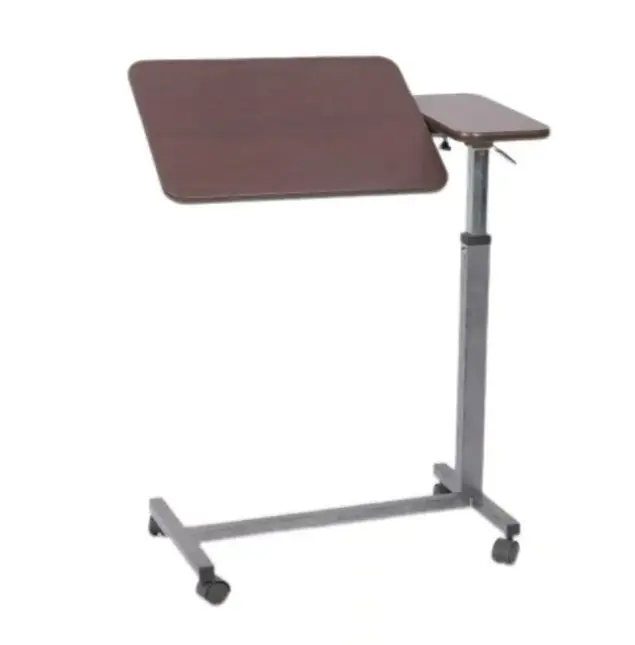
Critical Comparison of Over-Bed Table vs. Bedside Table for Patient Care
When evaluating these essential healthcare furnishings, several technical parameters directly impact patient care quality and operational efficiency. This detailed comparison illuminates the specific advantages each option brings to clinical environments.
Adjustability and Ergonomic Features
The biggest benefit of a Medical Overbed Table is the height flexibility. Quality models have adjustment ranges from around 28 inches to 45 inches for patients of different heights and bed positions. This flexibility is important for patients who need to move between sitting up for meals and lying down for relaxation, since the table surface changes to suit the situation without the input of staff or patient effort. Pneumatic or spring-loaded systems allow for tool-free, smooth adjustments that may be independently made even by individuals with limited strength. More modern versions provide tilt capability, which allows the surface to slant for reading or device viewing, improving patient comfort during longer bed stays. Conversely, bedside tables are often maintained at a constant height, ranging from 28 to 32 inches, aligning with the normal height of a hospital bed. This restricts the flexibility of positions, but guarantees equal access to patients and workers. The trade-off is obvious: over-bed tables promote flexibility for direct patient involvement, whilst bedside tables provide dependable, static access points for organised storage. Fixed-height design provides stability, and adjustable shelving inside bedside cabinets offers some flexibility for facilities to tailor interior arrangements to the size of supplies and inventory needs.
Material Composition and Durability Analysis
The choice of materials directly affects the furniture's lifetime, upkeep, and compliance with infection control regulations. Most bed tables are made of a powder-coated steel frame with an ABS or high-pressure laminate surface. The combination combines corrosion resistance, scratch tolerance, and chemical compatibility with hospital-grade disinfectants. Non-porous, smooth surfaces inhibit bacterial colonisation and ease cleaning methods, both important aspects in the prevention of healthcare-linked illnesses. The weight capacity is usually between 30 and 50 pounds, enough for laptops, food trays, and light medical equipment without impacting the structure. Our GreatMicroCare bedside cabinets have stainless steel frames, which provide better durability and hygienic features. The Model KY-KH8943-1 has a steel spray coating to give increased protection against moisture damage and chemical exposure. ABS table tops are resistant to chemical attack from standard disinfectants and preserve their look over years of continuous usage. A typical top of a bedside cabinet holds 40-60 pounds of weight, and a typical drawer system holds 15-25 pounds, depending on sliding mechanics. The enclosed structure helps protect the internal contents from dust and contamination, but it needs more comprehensive cleaning practices to maintain interior cleanliness compared to the open-frame form of over-bed tables.
Mobility Options and Spatial Considerations
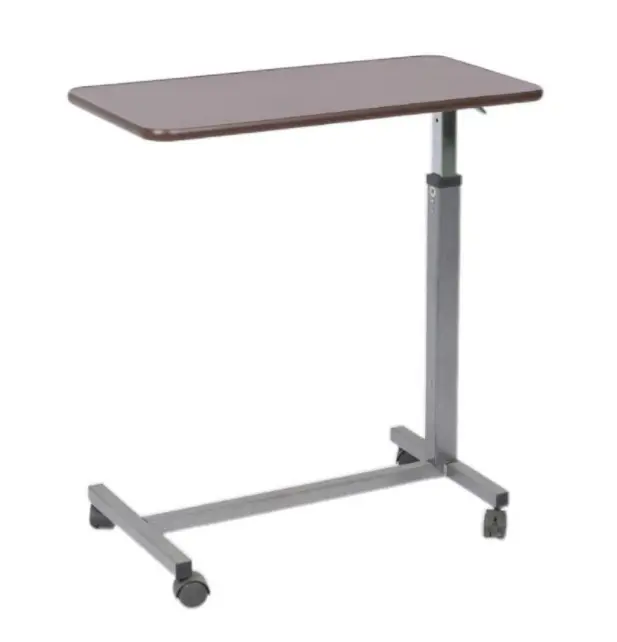
Mobility is one of the most important functional differences between different kinds of furniture. Bed tables include four swivel casters, generally 2-inch-diameter wheels, allowing for 360-degree rotation and easy transportation over different kinds of flooring. The quality model has at least two locking mechanisms to stabilise the table while in use, to avoid undesired movement while patients lean on the surface. The C-shaped base design enables the table to nestle close to the beds without interfering with the side rails or necessitating the relocation of mattresses. This space economy is quite significant in multi-bedroom rooms when floor space is still at a premium. Bedside tables are often castered for occasional shifting, but are intended largely as fixed objects. The wider, sturdier foundation won’t topple over when drawers are completely laden, but it takes up more floor space than the small footprint of over-bed table bases. Premium bedside cabinets are fitted with central locking mechanisms that simultaneously lock all four wheels, giving you total stability when you open the drawers. Spatial footprint differences impact room layout planning: Overbed tables can be shared by multiple patients in rotation, reducing the overall furniture count per bed. Bedside tables require specific floor space next to each bed, increasing the total furniture in a room but enabling personalised, secure storage for each patient.
Storage Capabilities and Functional Additions
The main difference between the two types of furniture is the amount of storage. They usually focus on the work surface rather than a storage area. Some desks include tiny drawers or lower shelves below the worktop. These little storage features are fine for magazines, remotes, or tiny personal things, but lack the security or capacity for medical supplies or valuables. The focus is still on affordable workspace and not organisational infrastructure. Storage Functionality is where bedside tables thrive with different drawer configurations, adjustable shelves, and specialised sections. Our GreatMicroCare model has lockable drawers, which are required for restricted substances, and complies with the statutory standards for medicine security in patient rooms. The pack is 500×400×800mm and provides generous space with a main compartment for bigger goods like clothes or toiletries and drawer dividers for organised storage of smaller items. Optional accessories take usefulness to the next level — IV pole attachments turn bedside cabinets into integrated care stations, and power outlet integration allows for charging of medical equipment without sacrificing an important wall outlet. The functional improvements allow bedside tables to be transformed from basic storage units to multipurpose care stations, concentrating equipment and supplies at each bedside, reducing staff travel time, and improving reaction efficiency during patient care activities.
Making the Right Choice for Your Procurement Needs: Criteria and Recommendations
Translating technical comparisons into actionable procurement decisions requires understanding how furniture characteristics align with specific facility requirements, patient populations, and operational workflows.
Assessing Patient Profiles and Usage Intensity
Patient demographics and acuity should guide furniture choices. Over-bed tables that adapt to patient postures during recovery are invaluable in acute care units treating post-operative or limited-mobility patients. Allowing patients to complete daily tasks from bed decreases fall risks from reaching for stationary furniture and promotes early mobilisation objectives. Bedside tables that safeguard personal possessions and prescriptions may be prioritised in long-term care facilities for elderly cognitively impaired patients to reduce confusion and assist with regular item placement. Over-bed tables facilitate treatment and autonomous food eating, while bedside tables organise adapted equipment and personal care supplies in rehabilitation clinics. Medical Overbed Tables are preferred for cleaning in high-turnover units due to frequent room turnovers and speedy cleaning and reconfiguration. Hospice and psychiatric facilities benefit from the homelike look and sturdy storage of excellent bedside cabinets, which promote therapeutic settings while satisfying clinical storage demands.
Cost-Efficiency Metrics and Customization Potential
Budgets include maintenance, replacement frequency, and operational efficiency improvements in addition to purchase charges. Over-bed tables start at $150–$300 and cost $500–$800 for premium versions with additional functionality. Basic bedside tables cost $300–$600, while feature-rich ones cost $800–$1,200. These statistics solely include purchase expenses. Due to simpler mechanical systems and easy cleaning, over-bed tables need less maintenance, although caster wheels wear out after years of usage. Bedside tables need greater maintenance—drawer slides may need adjustment or replacement, lock mechanisms need frequent repair, and indoor cleaning takes more time. Good over-bed tables last 7-10 years under normal circumstances, while well-built bedside cabinets last 10-15 years owing to their sturdy steel structure and immobile posture, reducing mechanical wear.
GreatMicroCare's combined design and production processes provide extensive customisation. We alter dimensions to meet particular room layouts, replace materials for longevity, and integrate accessories to complement clinical operations. Bulk purchase schemes provide 15-30% volume reductions on order sizes, making large-scale facility outfitting projects more affordable. Our medical export certificates meet worldwide standards, and our paperwork packages simplify customs clearance and regulatory approval in your target markets. When facilities need customised configurations, factory-direct benefits minimise distributor markups and allow quick prototyping, decreasing procurement time from months to weeks.
Real-World Application: Case Study Insights
At a 300-bed Midwest general hospital, medical-surgical units received new patient room furniture. After thorough examination, they used over-bed tables for all patient beds to assist with food service, treatment, and personal device usage, and one bedside table per two-bed room positioned centrally between patients. This combination cut furniture expenses by 40% compared to using both kinds for each bed while preserving functionality. Mobile over-bed tables cycled among patients depending on urgent requirements, while shared bedside tables held additional linens, personal care items, and visitor sitting cushions. Patient satisfaction improved by 12% in room comfort and accessibility, while nursing staff saved 15% on room setup and turnover. This instance shows how strategic furniture distribution combines functionality and budget, improving results without increasing costs.
A stroke rehabilitation center is another example. They chose premium over-bed tables with tilt and increased height ranges for rigorous bedside occupational treatment. Higher-specification units helped patients grow quicker and comply with treatment better than regular versions, which cost 60% more. Therapists may set up work surfaces for fine motor skill training, and patients could alter tables for self-directed treatment between sessions. Since the specialised tables replaced patient room treatment tables, the institution needed less auxiliary therapy equipment. This study shows how accurate furniture specifications for clinical applications may boost operating efficiency and offset greater initial costs.
How to Optimize the Use and Maintenance of Overbed Tables and Bedside Tables
Maximizing furniture lifespan and ensuring consistent performance requires implementing proper usage protocols and preventive maintenance programs. These practical guidelines help facilities protect their investments while maintaining patient safety and comfort.
Daily Use Best Practices and Safety Protocols
Proper positioning prevents accidents and extends furniture life. When using over-bed tables, always engage wheel locks before patients place weight on the surface or before positioning food trays. Ensure the base slides completely under the bed frame to prevent tipping hazards. Instruct patients to avoid sitting or placing excessive weight on table edges, which can compromise structural integrity over time. Regularly verify that adjustment mechanisms operate smoothly—sticky or difficult adjustments signal the need for maintenance before failure occurs. Keep tabletop loads within manufacturer specifications, typically 30-50 pounds, to prevent frame damage or sudden collapse. Remove the table from over the bed before raising or lowering the bed to avoid collision damage to both pieces of furniture.
Bedside tables require different precautions. Always open only one drawer at a time to prevent forward tipping, particularly important when upper drawers contain substantial weight. Engage caster locks whenever drawers are accessed to prevent the cabinet from rolling unexpectedly. Avoid using drawer pulls or cabinet tops as handholds for patient transfers or staff leverage, as these components aren't designed to support body weight. Distribute storage weight evenly among drawers rather than concentrating heavy items in top drawers, which raises the center of gravity and increases tipping risk. Periodically verify that all casters remain functional and locks engage properly—compromised mobility systems create safety hazards during room cleaning or furniture repositioning.
Infection Control and Cleaning Standards
Clean surfaces are vital in healthcare. After patient use, particularly after meals or contamination, over-bed tables must be cleaned. Tabletop disinfectants should be hospital-approved—quaternary ammonium compounds work for most surfaces, and bleach solutions for some infections. Examine adjustment mechanisms, caster wheels, and tabletops' undersides for contaminants. Depending on product parameters, disinfectants kill germs in 1-10 minutes. To prevent corrosion and failure, avoid moisture near mechanical components like height adjustment mechanisms. Dry surfaces fully after washing to prevent wet stains and germs.
Bedside cabinets need more thorough cleaning due to their confinement. Clean drawers and cabinets regularly, but disinfect exposed surfaces like bedside tables daily. Eliminate objects, clean interior surfaces, and check for pathogens. Clean drawer slides and rails to remove dust and grime that hinder operation. Chemical-resistant ABS tabletops on GreatMicroCare bedside cabinets allow powerful cleaning without surface damage. The stainless steel frames resist bleach-based cleanser corrosion, satisfying isolation room and epidemic response infection control requirements. You may demonstrate cleanliness in your facility's infection prevention program to regulators.
Troubleshooting Common Issues and Preventive Maintenance
Proactive maintenance avoids small concerns from becoming equipment breakdowns that threaten patient care. Problems with over-bed tables include height adjustment, unsteady surfaces, and caster failure. Apply silicone-based lubricant to moving parts weekly and remove apparent contaminants to avoid sticky height adjustments. Tables with wobbly tops frequently have unsecured column-to-base or tabletop-to-column bolts. After tightening all bolts with proper tools, check stability. If casters have trouble rolling or have ineffective wheel locks, replace them immediately to avoid safety issues and staff injuries from excessive force during table shifting.
Drawer operation, lock failures, and structural instability are common bedside table faults. Clean and lubricate slide rails using dry, dust-free lubricants to unstick drawers. Check drawer fronts for looseness and adjust mounting hardware. Reposition the striking plate to correct lock mechanism failures caused by lock bolt misalignment. Cabinet instability indicates loose bases or casters. Check base-to-frame fasteners for tightness and replace worn casters. Quarterly preventative maintenance checks fastener tightness, moving parts, structural deterioration, and wheel operation on all furniture. This methodical technique extends furniture lifetime by 30- 50% beyond usual service life and reduces unexpected failures that interrupt patient care and overwhelm maintenance departments with urgent repair requests.
Future Trends and Innovations Affecting Patient Care Furniture
The healthcare furniture industry continues to evolve in response to technological advances, sustainability pressures, and changing patient care models. Understanding emerging trends helps procurement professionals make forward-looking investments that remain relevant as care delivery transforms.
Smart Technology Integration and Connectivity
The next generation of patient care furniture incorporates digital connectivity and smart features. Overbed tables with integrated wireless charging pads eliminate cord clutter while supporting patients' personal devices. Some manufacturers now offer models with built-in tablets that access entertainment systems, meal ordering platforms, or patient education content, transforming simple work surfaces into interactive care tools. Weight sensors embedded in tabletops can alert staff when patients haven't consumed meals, supporting nutritional monitoring without requiring manual checks. Bedside tables increasingly feature USB charging ports, electrical outlets, and even refrigerated medication compartments with temperature monitoring that alerts nurses if therapeutic ranges are exceeded. These technological enhancements address growing expectations among younger patient populations accustomed to connectivity while providing clinical staff with additional monitoring capabilities. However, procurement teams must weigh the benefits against increased complexity, higher initial costs, and ongoing technical support requirements. As these technologies mature and costs decline, adoption will likely accelerate, making smart furniture standard rather than exceptional in progressive healthcare facilities.
Antimicrobial Materials and Enhanced Hygiene Features
Infection prevention remains paramount in healthcare design, driving material innovation focused on inherent antimicrobial properties. Copper-infused surfaces demonstrate continuous antimicrobial activity, reducing bacterial loads on frequently touched surfaces without requiring chemical disinfectants. Silver ion-embedded coatings achieve similar results through different mechanisms, both showing promise in reducing healthcare-associated infections. Furniture manufacturers increasingly offer these advanced materials as standard options or premium upgrades. Seamless construction techniques eliminate crevices where contaminants harbor, while powder-coated finishes resist microbial colonization better than traditional paints. Some manufacturers now apply photocatalytic coatings that break down organic contaminants when exposed to light, creating self-cleaning surfaces that reduce manual cleaning requirements. These innovations particularly benefit high-touch surfaces like over-bed table tops and bedside cabinet handles. While antimicrobial materials add 20-40% to base furniture costs, facilities battling infection control challenges may find the investment justified through reduced infection rates and associated treatment costs. Evidence continues to accumulate regarding real-world effectiveness, but early adopters report positive results, particularly in high-risk units like intensive care and immunocompromised patient areas.
Sustainability and Environmental Compliance Initiatives
Environmental consciousness increasingly influences healthcare procurement decisions as facilities pursue LEED certification and carbon neutrality goals. Furniture manufacturers respond by prioritizing recyclable materials, reducing packaging waste, and implementing take-back programs for end-of-life equipment. Overbed tables and bedside cabinets constructed from recycled steel and aluminum demonstrate that sustainability need not compromise performance—these materials offer identical durability and hygiene properties while reducing environmental footprints. Water-based powder coating processes eliminate volatile organic compounds released by traditional painting methods, improving both environmental outcomes and worker safety during manufacturing. Modular designs enable component replacement rather than complete unit disposal when wear occurs, extending effective lifespan and reducing waste streams. Some progressive manufacturers publish environmental product declarations documenting lifecycle environmental impacts, enabling procurement teams to make data-driven sustainability decisions. GreatMicroCare embraces these principles throughout our operations, incorporating recyclable materials wherever possible and maintaining efficient production processes that minimize waste generation. Choosing suppliers committed to environmental responsibility helps healthcare facilities achieve broader sustainability objectives while ensuring furniture acquisitions align with organizational values increasingly important to patients, staff, and community stakeholders.
Conclusion
Selecting between overbed tables and bedside tables ultimately depends on balancing patient care requirements, clinical workflows, spatial constraints, and budget parameters. Over Bed Table delivers unmatched flexibility and accessibility for direct patient interaction, supporting independence and clinical activities at the bedside. Bedside tables provide essential organizational infrastructure and secure storage that enable efficient supply management and medication safety. Many facilities discover that strategic combinations of both furniture types optimize functionality while controlling costs. By carefully evaluating patient populations, usage patterns, maintenance capabilities, and long-term facility goals, procurement professionals can specify furniture solutions that enhance care quality while delivering a strong return on investment.
FAQ
1. What are the main advantages of over-bed tables compared to bedside tables?
Overbed tables offer superior adjustability and mobility, allowing patients to access work surfaces while remaining in bed at various positions. The height-adjustment features accommodate different patient needs and activities like dining, reading, or device use. Their mobile design with locking casters enables repositioning as needs change throughout the day. Bedside tables provide secure storage with lockable drawers, essential for medication safety and personal item organization, though they lack the positional flexibility of over-bed tables.
2. How do I determine which furniture type my facility needs?
Assessment should consider patient mobility levels, care acuity, and space availability. Rehabilitation and acute care units benefit most from over-bed tables supporting therapy and gradual independence. Long-term care and psychiatric facilities often prioritize bedside tables for secure storage and routine establishment. Many hospitals implement hybrid approaches using over-bed tables for all beds, supplemented by strategically positioned bedside tables, balancing functionality with budget constraints.
3. What maintenance requirements should I expect for these furniture types?
Overbed tables require periodic caster inspection and replacement, height mechanism lubrication, and fastener tightening to maintain stability. Bedside tables need drawer slide maintenance, lock mechanism verification, and more thorough cleaning protocols for interior compartments. Both types benefit from quarterly preventive maintenance checks that identify issues before they compromise functionality or safety, typically extending service life by several years.
Partner with GreatMicroCare for Superior Patient Care Furniture Solutions
GreatMicroCare stands ready as your trusted over-bed table manufacturer and complete patient furniture supplier. Our factory-direct model eliminates distributor markups while ensuring consistent quality control across every unit we produce. We specialize in customized solutions tailored to your specific requirements—adjusting dimensions, materials, and accessories to match your facility's unique needs. Our comprehensive medical certifications guarantee compliance with international standards, and our experienced export team navigates logistics and documentation seamlessly. With dedicated account managers providing one-on-one support throughout your procurement journey, we minimize risks and streamline the acquisition process. Whether you need standardized Over Bed Tables for immediate deployment or customized bedside cabinets designed for specialized care environments, our integrated design-production-sales operations respond quickly to your requirements. Contact our team today at Jackwang@medicalky.com to discuss your upcoming projects, request detailed specifications, or arrange sample evaluations. Discover how our proven expertise in medical furniture manufacturing can enhance your patient care environments while optimizing your procurement budget.
References
1. Healthcare Furniture Standards Committee. "Ergonomic Design Principles for Patient Care Furniture in Acute Care Settings." Journal of Healthcare Engineering, 2022.
2. Morrison, K.L. and Chen, R. "Material Selection and Infection Control in Hospital Furniture: A Comprehensive Review." American Journal of Infection Control, 2021.
3. National Association of Healthcare Procurement. "Cost-Benefit Analysis of Patient Room Furniture Configurations." Healthcare Financial Management, 2023.
4. Williams, D.T. "Mobility and Accessibility Features in Geriatric Care Environments." Gerontology & Geriatrics Education, 2022.
5. International Organization. "Medical Furniture Safety and Performance Requirements - ISO 8191 Series." Geneva: ISO Publications, 2021.
6. Thompson, J.R. and Martinez, S.A. "Emerging Technologies in Smart Healthcare Furniture Design." Journal of Medical Systems Innovation, 2023.