
What is a bed side rail?
2026-09-26 20:58:50
A bed side rail is a protective barrier device installed along the edges of hospital beds, nursing home beds, and home care beds to prevent patients from falling during sleep or rest. These rails serve dual purposes—enhancing patient safety by reducing fall risks and providing support for patients when repositioning themselves or getting in and out of bed. Available in various configurations including fixed, adjustable, foldable, and removable designs, bed rails are manufactured from materials such as aluminum alloy, steel, wood, or reinforced plastic. Understanding the technical specifications, safety standards, and practical applications of these protective barriers is essential for healthcare procurement professionals seeking to optimize patient care while maintaining regulatory compliance.
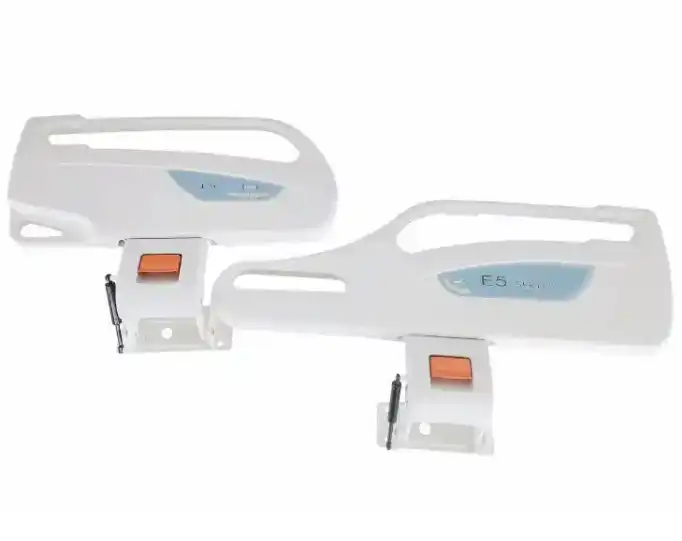
Understanding Bed Side Rails: Definition, Types, and Materials
Defining Bed Rails and Their Core Safety Functions
Bed side rails are an important piece of patient safety equipment that is meant to reduce the number of falls that happen in healthcare settings. These safety devices safely connect to bed frames and make physical boundaries that remind patients of the edges of the bed while also providing stability points for easier movement. Modern hospital bed rails combine advanced engineering with easy-to-use designs to keep patients from falling and meet mobility needs. The devices help patients in a variety of care situations, from urgent care units that need constant tracking to centers for the elderly where people need help staying independent. Procurement teams need to know that good train systems have both strong structures and the ability to be operated in a variety of ways to meet the needs of different patients and clinical practices.
Categories of Bed Rails: Fixed, Adjustable, and Removable Systems
Different rail layouts are used in healthcare facilities based on the amount of care needed and the patient's condition. Fixed rails stay connected to bed frames forever, giving steady safety that is perfect for long-term care settings. Height and angle can be changed on adjustable systems, so carers can change the places of barriers to fit the patient's level of movement. Foldable or removable bars give healthcare workers the most options because they can lower or remove them fully during medical procedures, transfers, or when patients show they can do things on their own. Adjustable or removable choices are often preferred in hospitals because they can be used in a variety of ways. On the other hand, easier fixed or semi-adjustable models are often used in home care settings. Knowing these differences helps people who buy things match product specs to how the hospital works and how they care for patients.
Material Comparisons: Aluminum Alloy, Steel, and Composite Options
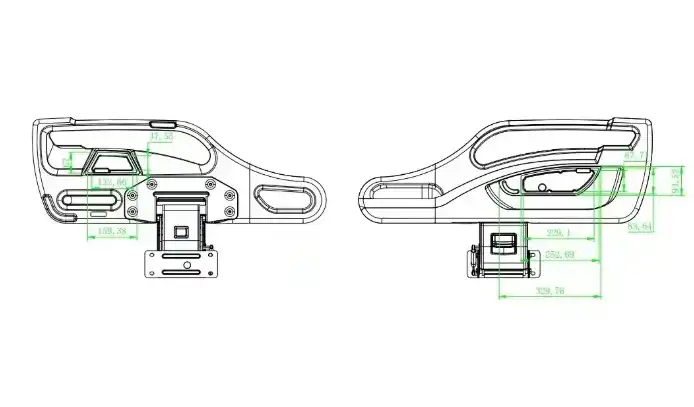
Material choice has a big effect on how well rail works, how much upkeep it needs, and how much it costs over its whole life. As a result of their high strength-to-weight ratios, resistance to rust, and ease of cleaning, aluminium alloy rails are commonly used in modern healthcare settings. The Greatmicro Medical Standard Six-Pole Aluminium Alloy Side Rails (Model KY-PA05-DS076) are a good example of this type of product. They are 1480mm long, 360mm wide, can hold up to 50 kg, and come with a five-year guarantee. While steel alternatives can hold more weight, they need to be coated with protective materials to keep them from rusting in wet places. Composite materials and strengthened plastics are cheaper for buildings that are trying to stick to a budget, but they usually don't last as long. When making a purchase choice, the durability of the material should be weighed against how it will be cleaned, how much it will be used, and the environmental conditions at each placement site.
Key Benefits and Safety Considerations of Bed Side Rails
Primary Advantages: Fall Prevention and Patient Confidence
The most measured benefit of properly placed bed side rails is a big drop in the number of times patients fall. According to research from the Healthcare Cost and Utilisation Project, about 11,000 patients die every year in the United States because they fall in hospitals. Many of these deaths happen at night or when the patients are feeling disoriented from their medications. Bed rails reduce this risk by giving patients physical limits that let them know when they're about to make a mistake when they move. In addition to keeping people physically safe, these devices also give people mental peace of mind—patients and their families feel less stressed when they know that protection walls are around the sleeping area. The support function is just as useful; the rails give patients safe places to hold on while they reposition themselves or start a move. This encourages freedom while still meeting safety standards. Facilities that install full rail systems report higher patient happiness scores and lower legal risks.
Addressing Safety Concerns and Entrapment Risks
Even though they are meant to protect, bed rails can be dangerous if they are not put or described correctly. Patients getting stuck between train parts or between tracks and mattresses has caused major injuries and regulatory attention. The U.S. Food and Drug Administration put out rules that talk about seven specific trapping zones that need to be looked at when choosing a product and installing it. Professionals in procurement must make sure that train systems meet the required dimensions and gap sizes to keep people from getting their heads, necks, or limbs caught. Self-locking systems and designed spacing in modern designs get rid of dangerous gaps. The Greatmicro Medical six-bar aluminium alloy frame is approved to meet international safety standards. This is possible through careful manufacturing and strict testing procedures.
International Standards and Certification Requirements
When buying medical tools, it's important to follow all safety regulations and licenses. Bed bars have to meet standards set by groups like the Food and Drug Administration (FDA), the International Organization for Standardisation (ISO), and local medical device officials. The ISO 60601 series sets rules for hospital electrical equipment, and ASTM F1822 tells us what bed rails should be sized and how well they should work. Teams in charge of buying things should make sure that the sellers they work with give them full approval papers that cover things like biocompatibility, material safety, and structural testing. Products that don't have the right licenses put places at risk of not following the rules, being sued, and having trouble with their insurance. Setting certification proof as a must-have for purchasing protects the organization's values and keeps patients safe.
How to Select the Best Bed Side Rail for Your Needs
Assessment Criteria: Load Capacity, Adjustability, and Compatibility
In order to choose the right bed side rail systems, technical specs must be carefully compared to clinical needs. Load capacity is an important factor—rails must be able to safely handle the forces that are created when a patient touches them without breaking or damaging the frame. The KY-PA05-DS076 model can hold up to 50KG, which is enough to handle normal patient contact forces while still keeping stable reserves. Features that can be adjusted decide how flexible the bed can be used. For example, height-adjustable rails can be used with different mattress thicknesses and patient tastes, and parts that can be taken off make medical treatments and moves easier. Verification of compatibility makes sure that current bed frames and mattress systems can work with new ones. Before making big purchases, people in charge of procurement should get the size specs from the beds that are already in stock and compare them to the rail connection methods.
Material Selection and Durability Considerations
The materials used to make bed rails have a direct effect on how often they need to be maintained and replaced. Because they don't rust and are easy to clean, aluminium metal systems are great for healthcare settings with a lot of patients. When these rails are exposed to hospital-grade disinfectants over and over again, the surface doesn't break down. They keep their good looks and structural stability for long periods of time. Aluminium is light, which makes it easier to handle during installation and adjusting, which makes it easier on care staff. Steel options are more stiff and can be used in specific situations that need to hold a lot of weight, but they need to be carefully maintained to keep them from rusting. Composite materials work well in situations where cost is important and repair processes work with budget planning. To get a more true picture of the total cost of ownership, it's better to do a lifecycle cost study that looks at the purchase price, upkeep costs, and how often the item needs to be replaced.
Manufacturer Evaluation: Quality Indicators and Warranty Terms
To find trusted suppliers, you need to look at more than just the product specs. Well-known companies like Drive Medical, Medline, and Invacare stay in the market by consistently delivering high-quality products and offering a wide range of support services. Direct factory providers, like GreatMicroCare, offer better prices because they don't add markups for middlemen and keep quality control in mind throughout the whole production process. When procurement teams look at different makers, they should look at how long the warranties cover, how quickly they answer technical questions, and how well they set up help after the sale. The Greatmicro Medical aluminium alloy rails come with a five-year guarantee, which shows that the company behind the product is confident in its sturdiness and protects investments in capital equipment for a longer time. Customisation, providing certification paperwork, and being able to make flexible transportation plans are some of the other selection factors that affect operating success beyond the initial product specs.
Installation, Measurement, and Maintenance Guidelines
Critical Dimensions and Measurement Protocols
Accurate dimensional testing stops problems with bed side rails compatibility that put safety and usefulness at risk. The length of the rails must match the size of the bed frames. For example, the KY-PA05-DS076 model's 1480mm length works with normal hospital bed setups and a variety of frame designs. The gap between the rail ends and mattress surfaces is measured in terms of height, which means that differences in mattress thickness need to be taken into account. The requirements for buying something should include options for fixing settings that can be changed to fit different types of mattresses. Custom sized choices are available for unique bed layouts, paediatric uses, or bariatric needs that fall outside of normal size ranges. Before committing to full-scale deployments, facilities that are planning big sales should do pilot installations to make sure that all of their beds are compatible in terms of size.
Installation Process and Professional Service Options
Attachment security, gap checks, and practical testing must all be taken into account for a proper installation. Frame clips, bracket kits, or built-in bed frame receivers are often used in rail mounting systems. Steps for installation include placing rails in the right places on the bed, securing attachment mechanisms to the manufacturer's torque specs, making sure the gap sizes meet safety standards, testing locking mechanisms through operational cycles, and writing down installation dates to keep track of maintenance. Suppliers or specialised companies can help healthcare facilities that don't have their own expert staff get professional installation services. GreatMicroCare offers full installation help, including technical advice, installation verification, and training for staff on how to run the rails correctly. Professional installation services shorten the time it takes to set up, make sure safety rules are followed, and lower the risks that come with bad mounting techniques.
Maintenance Schedules and Cleaning Best Practices
Routine upkeep makes sure that a product keeps working safely and extends its life. Visual reviews should be done once a month to check the stability of the surface, the operation of the locking device, and the security of the mounting. Every three months, practical testing makes sure that all the movable parts work well and that the locking systems work correctly. As part of yearly thorough exams, fastener torque checks and repair of worn parts may be included. Standard medical disinfectants can be used on aluminium alloy tracks as long as they are cleaned according to the instructions. To keep surfaces from getting water spots, staff should wipe them down with approved cleaning solutions, rinse as directed by the cleaner, and dry completely. Protective coats and surface finishes last longer when you don't use rough cleaning tools. Because aluminium alloy doesn't rust, it requires a lot less upkeep than other materials that need special processes to protect them or different ways to clean them.
Procurement and Purchasing Guide: Navigating Prices, Offers, and Services
B2B Sourcing Channels and Supplier Relationships
Healthcare buying teams can get bed side rails from several sources, such as direct makers, authorised wholesalers, and group purchasing organisations. Direct connections with factories can save you money, let you make changes, and make it easier to talk about technical details. Distributors let you place orders for a lot of different types of products all at once, and they keep stock locally so that orders can be filled quickly. Group purchasing organisations use their members' buying power to get better prices. Depending on the number of orders, the level of customisation needed, and the company's buying rules, each route has its own benefits. Building partnerships with dependable bed side rail providers who offer consistent product quality, helpful communication and adaptable service arrangements adds strategic value that goes beyond the economics of a single transaction.
Pricing Structures, Volume Discounts, and Payment Terms
The price of bed rails depends on the type of material used, the difficulty of the design, the need for approval, and the number of rails that are ordered. Aluminium alloy systems usually cost more than normal steel or composite options, but they work better and require less upkeep, so the extra money is worth it. When you buy more, the price per unit goes down, which is called volume discounting. Facilities that want to improve their whole bed fleet should discuss quantity-based pricing tiers. Payment terms range from supplier to supplier. Some offer advance deposits, progress payments for big projects, or longer terms for customers who have been with them for a while. When you do a total cost analysis, you should include shipping costs, customs taxes for foreign suppliers, and any fees for installation services. GreatMicroCare's direct factory model offers low prices while keeping high quality standards. It also offers flexible transportation options that can be used to meet project-based deadlines and budget limits.
Customization Services and Technical Support
Standard product specifications often need to be changed in specialised facilities to fit different bed layouts or patient groups. They can be customised by changing the sizes, adding different sticker colours (blue, green, or rough finishes for the KY-PA05-DS076), and changing the structure to meet these needs. Suppliers that offer strong customisation services are useful for businesses that need non-standard tools or have unique operating needs. The quality of technical support affects the choice of product; quick help with clarifying specifications, making sure they work together, and fixing problems lowers purchase risks and operating disruptions. Full service packages that include advice before the sale, help with installation, and upkeep after the sale build partnership value that lasts throughout the lifecycle of the equipment. Account management models that assign specialised contact people make it easier for people to talk to each other and solve technology questions or logistical problems more quickly.
Conclusion
Picking the right bed side rail is an important purchase choice that affects patient safety, operating efficiency, and following the rules in healthcare settings. Knowing the technical differences between train types, material qualities, and safety certifications helps you make specifications that meet the needs of your hospital and the patients who will be using them. The Greatmicro Medical Standard Six-Pole Aluminium Alloy Side Rails are a great example of current train engineering because they are strong, easy to use, and meet all safety standards. To be successful at procurement, you need to carefully look at the skills of the seller, the terms of the warranty, and the support infrastructure, along with the product specifications. When healthcare organisations work with responsive makers who offer flexible customisation, approval paperwork, and full service support, they lay the groundwork for long-term equipment performance and patient safety.
FAQ
Which bed rail types provide optimal safety for elderly patients?
Rails that can be adjusted or folded up to allow partial lowering are best for elderly people because they make it easier for them to get in and out of bed on their own and keep them safe during sleep. When people touch rails with padded covers, they are less likely to get hurt. Models with self-locking systems keep them from lowering by mistake. The six-pole aluminium metal design makes the structure stable without adding too much weight, which helps keep patient contact safe.
How can I make sure that it will work with my current bed frames and mattresses?
Check the bed frame's length, width, and where the rails sit on it. Check these measurements against the rail's specs to make sure the mounting devices fit your frame's design. The gap between the rail ends and sleeping areas is affected by the width of the mattress. The KY-PA05-DS076 model's 1480*360mm dimensions make it easy to fit normal hospital bed layouts. Prior to making a purchase, ask sellers to confirm connectivity.
What maintenance intervals do bed rails require?
Once a month, do eye checks to make sure the fixing is secure and the surface is in good shape. Check closing devices every three months to make sure they are working right. Plan full exams to be done once a year, including checking the strength of fasteners and evaluating the wear on components. As needed, clean aluminium alloy tracks with hospital-grade disinfectants that follow the facility's rules for preventing infections. Keep records of all repair actions to follow the rules and protect your warranty.
Partner with GreatMicroCare for Premium Bed Side Rail Solutions
GreatMicroCare is the best choice for healthcare buying workers who want to buy bed side rails from a reliable company that offers both high-quality products and full-service support. The Standard Six-Pole Aluminium Alloy Side Rails (Model KY-PA05-DS076) we sell are made with high-strength materials, have self-locking safety systems, and come with full compliance certification and the best guarantee in the business: five years. As a direct factory provider, we can offer reasonable prices on large orders, the ability to make changes to fit specific needs, and full technical paperwork that makes it easier to follow regulations. Our dedicated account management makes sure that you get quick answers to questions about specifications, keep track of your orders, and get expert help for the lifecycle of your equipment. Email our team at Jackwang@medicalky.com to talk about what your facility needs, ask for product samples, or get personalised quotes for project-based bedside rail purchases.
References
1. Healthcare Cost and Utilisation Project. "Patient Falls in Hospitals: Statistical Brief on Fall-Related Injuries and Prevention Strategies." Agency for Healthcare Research and Quality, 2021.
2. U.S. Food and Drug Administration. "Hospital Bed System Dimensional and Assessment Guidance to Reduce Entrapment." FDA Medical Device Safety Communications, 2019.
3. International Organisation for Standardisation. "ISO 60601-2-52:2009 Medical Electrical Equipment - Particular Requirements for Basic Safety and Essential Performance of Medical Beds." ISO Standards Publications, 2009.
4. ASTM International. "ASTM F1822-13 Standard Consumer Safety Specification for Adult Bed Rails." ASTM Standards and Engineering Digital Library, 2013.
5. Capezuti, Elizabeth. "Bed Rail Use and Prevention of Falls in Nursing Homes: A Review of Research and Clinical Practice Guidelines." Journal of Gerontological Nursing, 2020.
6. Joint Commission on Accreditation of Healthcare Organisations. "Sentinel Event Alert: Deaths and Injuries Related to Hospital Bed Side-Rail Use." JCAHO Safety Publications, 2022.