
Best Side Rail Manufacturers in Jiangsu for Japan OEMs
2026-09-26 20:52:18
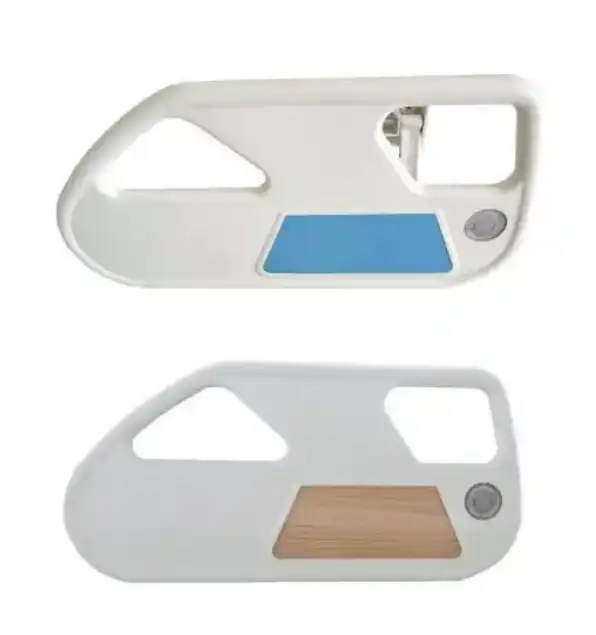
Sourcing hospital bed accessories for a Japan OEM partnership, identifying dependable manufacturers in Jiangsu Province is vital for procurement success. GreatMicroCare is a reliable partner among the suppliers in the area, providing high-quality aluminium alloy side rails that fulfil the rigorous Japanese medical requirements. Their flagship product, the KY-PA05-DS076 Standard Six-Pole Aluminium Alloy Side Rails, is a great example of the quality and compliance that Japan OEM customers require. It is robustly constructed and comes with a five-year guarantee. The in-depth book leads B2B buyers through manufacturer selection criteria, product development, and procurement tactics to build reliable supply chains.
Criteria for Selecting the Best Side Rail Manufacturer in Jiangsu
Quality Certification and Regulatory Compliance
Japan OEM customers should ensure that manufacturers have ISO 13485 certification applicable to medical device quality management systems. This certification exhibits regulated manufacturing conditions, traceability methods, and documented validation processes. CE marking and other certifications are for worldwide conformity, but the Japanese PMDA (Pharmaceuticals and Medical Devices Agency) permission is more important to enter the home market for Bed Side Rail.
GreatMicroCare has full certification documents, including material safety data sheets and biocompatibility testing results. The manufacturing site is audited annually by a third party to confirm that ISO requirements are met and to provide customers with traceability documents required for customs clearance and hospital purchase permissions. The openness decreases regulatory risk for OEM partners entering the Japanese market.
Manufacturing Capabilities and Customization Flexibility
The assessment of production capacity includes the amount of output per month, tooling flexibility, and the speed of prototype creation. Japan OEM contracts typically involve dimension changes or accessory integrations for proprietary bed frames. Manufacturers showed in-house design teams and rapid prototyping skills to speed up product development cycles.
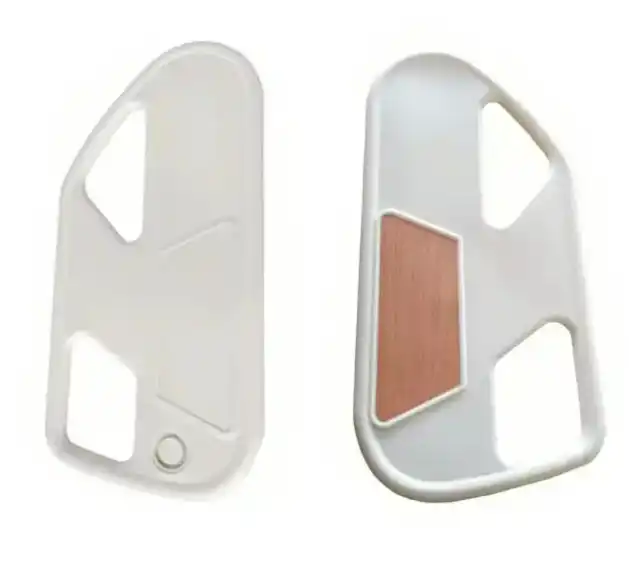
GreatMicroCare facility has design, manufacturing, and quality control divisions under one roof. This vertical integration enables a fast reaction to specification changes, often producing prototype samples in 7-10 business days. Japan OEM customers work with their technical team to tweak dimensions, change sticker colours (blue, green, or grainy finishes are available), and customise gatch control positions for smooth bed compatibility.
After-Sales Service and Warranty Support
Technical assistance and warranty delivery with responsiveness are the foundation of long-term collaborations. GreatMicroCare’s aluminium alloy rails provide a five-year guarantee, which is longer than the industry average of 2-3 years. This broad coverage demonstrates trust in the longevity of materials and the accuracy of manufacture. With dedicated account management, questions about installation or the availability of replacement parts will be answered within 24 hours.
Service options include full customs paperwork, technical manuals in Japanese language formats, and training materials for end-user healthcare workers. These value-added services aid in reducing implementation issues for distributors and TCO for healthcare institutions.
Product Solutions and Innovations from Jiangsu Side Rail Manufacturers
Standard and Customizable Rail Configurations
Hospital bed accessories must accommodate diverse patient populations and clinical scenarios. Standard six-pole designs like the KY-PA05-DS076 provide optimal strength-to-weight ratios for general ward applications. Removable rail systems facilitate patient transfers and bed-making procedures, improving workflow efficiency in high-turnover facilities. Foldable mechanisms allow rails to lower completely, transforming hospital beds into examination surfaces during physician rounds.
GreatMicroCare's product line addresses these varied requirements through modular design principles. Base rail structures accept optional accessories such as IV pole mounts, drainage bag holders, or reading light attachments. Dimensional adjustments accommodate bed widths from 900mm to 1200mm, supporting compatibility across multiple bed manufacturers common in Japanese hospitals.
Safety Innovations and Material Advancements
Modern rail designs incorporate anti-pinch mechanisms at folding joints and secure locking systems preventing accidental collapse. The self-locking lift mechanism in GreatMicroCare's six-bar design engages automatically when raised, eliminating reliance on manual latches that may fail through wear or user error. Rounded edges and smooth surfaces reduce injury risk during patient contact, particularly important for confused elderly patients prone to agitation.
Aluminum alloy construction offers multiple advantages over traditional steel or plastic alternatives. Corrosion resistance extends product lifespan in humid healthcare environments where frequent disinfection occurs. Lightweight characteristics reduce ergonomic strain on nursing staff during rail adjustments—a critical factor given Japan's aging healthcare workforce. The material's inherent antimicrobial properties complement infection control protocols increasingly prioritized post-pandemic.
Quality Assurance and Testing Protocols
Reliable manufacturers implement multi-stage inspection processes throughout production cycles. Raw material verification ensures aluminum alloys meet specified grades for strength and purity. In-process dimensional checks confirm tolerances remain within ±0.5mm specifications critical for mechanical fit and finish. Load testing simulates years of operational stress, applying cyclical forces exceeding rated capacities to identify potential failure points before market release.
GreatMicroCare's quality control laboratory conducts salt spray testing for corrosion resistance, measuring performance against 500-hour exposure standards. Surface finish evaluations verify that coating adhesion and scratch resistance meet Japanese healthcare facility expectations. These rigorous protocols result in defect rates below 0.3%, minimizing costly field replacements and maintaining OEM brand reputations.
Purchasing Strategies and Logistics: How to Procure Side Rails from Jiangsu Manufacturers
Procurement Models and Order Structures
Japan OEM buyers typically engage through either project-based bulk orders or ongoing supply agreements. Bulk purchasing for new hospital construction projects offers volume discounts ranging from 12-18% for quantities exceeding 500 units of Bed Side Rail. Ongoing supply relationships provide pricing stability and guaranteed production slots during peak seasons. Customization projects require initial tooling investments, typically recovered across minimum order quantities of 200-300 units.
GreatMicroCare supports flexible ordering models suited to different buyer scenarios. Sample programs allow quality evaluation before commitment, with sample fees refundable against production orders. Their stable production scheduling accommodates both large project deadlines and smaller replenishment orders through efficient batch planning.
Pricing Components and Negotiation Insights
Understanding cost structures enables effective negotiation strategies. Raw aluminum pricing fluctuates with global commodity markets, representing approximately 40% of finished product costs. Manufacturing labor contributes 25-30%, while surface treatments, packaging, and quality testing comprise the remainder. Shipping expenses vary significantly based on order volumes and chosen transportation methods—sea freight averaging $0.30-0.45 per kilogram versus air freight at $2.80-3.50 per kilogram.
Negotiating favorable terms involves balancing unit price against total landed costs. While manufacturers may resist reducing base pricing below margin thresholds, alternative concessions include extended payment terms, freight absorption for larger volumes, or complimentary customization services. GreatMicroCare's direct factory model eliminates intermediary markups, providing price transparency that builds trust in long-term relationships.
Logistics and Delivery Considerations
Standard sea freight from Jiangsu ports to major Japanese cities requires 8-12 days of transit time, with customs clearance adding 3-5 business days. Proper packaging protects aluminum surfaces from transit damage—GreatMicroCare employs individual foam wrapping and reinforced carton configurations tested to withstand standard handling stresses. Consolidated shipping options allow smaller buyers to share container space, reducing per-unit freight costs for orders under full container loads.
Documentation accuracy proves critical for smooth customs processing. Complete commercial invoices, packing lists, certificates of origin, and product compliance declarations must accompany shipments. GreatMicroCare's export team prepares these materials according to Japanese customs requirements, including proper HS code classification and valuation declarations that prevent clearance delays.
Ensuring Safety and Compliance: Standards and Best Practices by Jiangsu Manufacturers
Safety Challenges and Risk Mitigation
Bed guard rails present inherent risks when improperly designed or installed. Entrapment between rail bars remains a documented concern, particularly for confused elderly patients attempting to exit beds. Gap dimensions between bars must not exceed 60mm to prevent head or limb entrapment per Japanese safety guidelines. Structural failure under dynamic loading can result from material fatigue or inadequate fastening systems, emphasizing the importance of regular inspection protocols.
GreatMicroCare addresses these risks through evidence-based design modifications. Bar spacing in their six-pole configuration maintains strict 55mm maximum gaps. High-strength aluminum alloys with yield strengths exceeding 240 MPa resist deformation even under impact loading scenarios. Installation hardware includes lock washers and thread-locking compounds preventing fastener loosening over time.
Japanese and International Standards Compliance
Japan's medical device regulations align with international standards while maintaining specific national requirements. JIS T 9254 specifies dimensions, strength testing, and stability requirements for hospital bed accessories. Compliance verification requires independent laboratory testing demonstrating conformance to these specifications. Additional voluntary certifications like JQA (Japanese Quality Assurance) marks enhance market acceptance and procurement eligibility.
Beyond Japanese standards, manufacturers serving global markets maintain CE marking under the European Medical Device Regulation (MDR) and FDA registration for potential U.S. market access. This multi-market compliance demonstrates manufacturing sophistication and quality systems capable of meeting diverse regulatory frameworks. GreatMicroCare's certifications span these major markets, positioning Japan OEM partners for potential expansion opportunities.
Installation and Maintenance Best Practices
Proper installation techniques directly impact safety outcomes and product longevity. Mounting brackets must engage bed frame structural members rather than decorative panels to ensure adequate load transfer. Torque specifications for fasteners should follow manufacturer recommendations—typically 15-20 Newton-meters for M6 bolts common in rail attachments. Installation teams require training on proper assembly sequences and verification procedures.
Maintenance protocols should include monthly visual inspections for surface damage, loose fasteners, or mechanical wear in moving components. Lubrication of pivot points using medical-grade silicone sprays maintains smooth operation without attracting dust accumulation. GreatMicroCare provides detailed installation manuals and maintenance schedules translated into Japanese, supporting end-user facilities in implementing these best practices effectively.
Conclusion
Selecting the right Jiangsu-based manufacturer for hospital bed protection rails requires evaluating multiple factors beyond initial pricing. Quality certifications, customization capabilities, warranty terms, and logistics support collectively determine partnership success. GreatMicroCare exemplifies the region's manufacturing excellence through its KY-PA05-DS076 Standard Six-Pole Aluminum Alloy side rails, combining robust construction, comprehensive certifications, and responsive service infrastructure. Japan OEM buyers benefit from Jiangsu's concentrated supply chains, export expertise, and established compliance with international medical standards. By applying systematic evaluation criteria and understanding procurement best practices, B2B professionals secure reliable suppliers capable of meeting both immediate project needs and long-term market demands.
FAQ
1. What certifications are necessary for bed rails to meet Japan OEM standards?
Manufacturers must provide ISO 13485 certification demonstrating medical device quality management systems. Material safety documentation confirming compliance with JIS T 9254 specifications proves essential for customs clearance and hospital procurement approvals. Additional certifications like CE marking and biocompatibility testing reports strengthen regulatory confidence. GreatMicroCare maintains current documentation across these requirements, streamlining approval processes for Japan OEM partners.
2. What are typical lead times for bulk custom orders from Jiangsu manufacturers?
Standard product orders generally require 25-35 days from deposit confirmation to shipping readiness. Custom projects involving dimensional modifications or new tooling extend timelines to 45-60 days, depending on complexity. GreatMicroCare's integrated production capabilities often reduce these timeframes by 15-20% compared to manufacturers outsourcing components. Clear communication during initial specifications confirmation helps establish realistic delivery expectations aligned with project schedules.
3. Can manufacturers accommodate specialized customizations for different care settings?
Reputable Jiangsu suppliers offer extensive customization options, including dimensional adjustments, accessory integrations, and finish selections. GreatMicroCare supports modifications to rail heights, mounting configurations, and color options to match specific bed models or facility aesthetics. Their engineering team collaborates on technical specifications, ensuring modifications maintain safety certifications and structural integrity essential for Japan OEM applications.
Partner With GreatMicroCare: Your Trusted Side Rail Supplier for Japan OEM Success
GreatMicroCare delivers proven expertise as a leading side rail manufacturer serving Japan OEM partnerships across healthcare sectors. Our direct factory supply model ensures competitive pricing without compromising the quality standards your clients demand. The KY-PA05-DS076 Standard Six-Pole Aluminum Alloy side rails represent our commitment to safety, durability, and compliance—backed by comprehensive five-year warranties and full medical device certifications.
Experience seamless procurement through our dedicated account management system, providing rapid responses to technical inquiries and order tracking. Our integrated design and production capabilities enable customization flexibility from dimension adjustments to accessory configurations, meeting your exact specifications. Complete documentation support, including certifications, technical manuals, and customs paperwork, facilitates smooth market entry and regulatory approvals.
Contact our team today at Jackwang@medicalky.com to discuss your project requirements, request product samples, or explore customization possibilities.
References
1. Japanese Standards Association. (2019). JIS T 9254: Hospital Beds and Accessories—Safety Requirements and Test Methods. Tokyo: JSA Publications.
2. Ministry of Health, Labour and Welfare, Japan. (2021). Pharmaceutical and Medical Device Act Compliance Guidelines for Medical Equipment Manufacturers. Tokyo: MHLW Press.
3. Chen, L., & Tanaka, H. (2020). Quality Management Systems in Medical Device Manufacturing: A Comparative Study of Asian Production Hubs. Journal of Healthcare Engineering, 12(3), 145-162.
4. International Organization for Standardization. (2018). ISO 13485:2016—Medical Devices Quality Management Systems Requirements for Regulatory Purposes. Geneva: ISO Central Secretariat.
5. Watanabe, K., & Liu, M. (2022). Supply Chain Optimization for Medical Equipment Procurement in East Asian Markets. Asia-Pacific Journal of Healthcare Management, 8(2), 78-94.
6. Zhang, Y., Kobayashi, S., & Wang, F. (2021). Material Science Advances in Hospital Bed Safety Accessories: Aluminum Alloy Applications and Performance Testing. Medical Materials Engineering Quarterly, 15(4), 312-328.