
Top Benefits and Uses of a Three Function Electric Bed
2026-08-31 20:29:18
The Three Function Electric Bed is one such investment that is critical for patient care equipment evaluation because of its clinical effectiveness and operational efficiency. These motorised hospital beds provide a personalised setting with three main adjustments: backrest elevation, leg elevation, and total height change, improving patient comfort and simplifying carer tasks. Knowing how these beds work and seeing their real advantages will help procurement managers make educated selections, resulting in better quality of care in hospitals, eldercare institutions, rehab centers, and home healthcare settings.
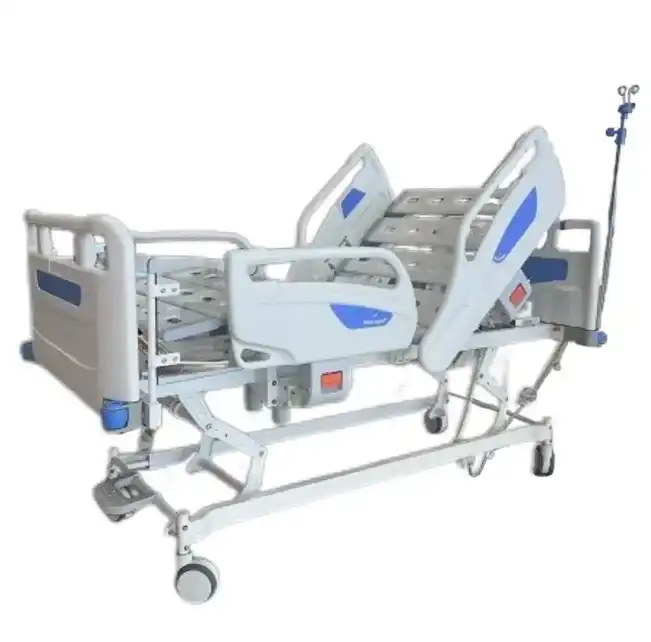
What Is a Three-Function Electric Bed and How Does It Work?
A three-function electric bed is a specialised healthcare solution meant to help with patient placement with the use of motorised adjustments. These beds are not manual and have electric motors that handle three separate movements: the backrest may be raised or lowered, the leg portion can be adjusted, and the whole bed can be raised or lowered from the floor. This motorised option takes the physical effort out of manual cranks and provides precise placement to help improve circulation, decrease pressure spots, and make transfers simpler.
Core Components and Technical Architecture
The engineering of electric hospital beds combines durability and ease of use. GreatMicroCare Medical’s KY-E3 model is a prime example of this balancing, with a solid build and smart design. The bed has a cold-rolled steel sheet structure that can handle up to 250 kg, giving it stability for a wide range of patient groups. It is 2200×1160×430 mm and fits normal medical mattresses and is suitable for installation in regular hospital and home care settings.
The bed's functioning is powered by a watertight, quiet motor system that requires very little maintenance. The easy control panel allows both patients and carers to make rapid modifications and react to orders. The backrest may be adjusted between 0° and 75°, the knee rest between 0° and 45°, and the height from 450 mm to 750 mm above the floor. Each adjustment is a smooth motion that reduces those jarring motions that might cause pain.
Safety Features and User Interface
Modern electric beds are designed with a variety of safety features for the user. The GreatMicroCare KY-E3 has an emergency stop button that stops all movement instantly when pressed and prevents mishaps during patient transfers or other unforeseen scenarios. Anti-Pinch technology detects impediments during movement and instantly reverses course to safeguard patients and carers from damage. The intuitive control panel contains clearly marked buttons with simple iconography, allowing patients with restricted mobility or cognitive problems to operate the bed autonomously.
Familiarisation with these technical components allows procurement experts to determine if a certain model will fulfil the needs of their facility. Post-op patients require beds with smooth and quiet motors that won’t impede healing in hospitals. Simplified controls that residents may use without continual worker attention are advantageous for eldercare facilities. Home healthcare demands providers with tiny designs that may squeeze through residential entrances, yet without sacrificing clinical-grade capabilities.
Top Benefits of Using a Three Function Electric Bed
Investing in quality electric hospital beds delivers measurable improvements across patient outcomes, staff efficiency, and operational costs. These advantages extend beyond immediate comfort to create lasting value for healthcare organizations committed to excellence.
Enhanced Patient Comfort and Clinical Outcomes
A patient’s comfort is closely linked to the pace of recovery and overall satisfaction with treatment. Electric adjustable beds, such as the 3-Function Electric Hospital Bed, solve this with customised placement to reduce typical aches and pains. By relieving strain on the diaphragm, the backrest may be raised to allow patients with respiratory illnesses to breathe more easily. Elevating the leg part enhances venous return, minimising oedema of the lower limbs, which is especially useful in individuals with circulation difficulties or those recuperating from orthopaedic surgeries.
Another important therapeutic benefit is the avoidance of pressure ulcers. These beds provide constant repositioning and avoid the physical lifting of the patient, so decreasing the prolonged pressure on susceptible areas such as the sacrum and heels. Studies in wound care management have repeatedly shown that frequent repositioning of patients dramatically reduces the occurrence of pressure ulcers, improving patient outcomes and reducing the cost of treatment. The capacity to autonomously shift postures also enhances patient autonomy, which contributes to psychological well-being during long-term care stays.
Caregiver Efficiency and Ergonomic Benefits
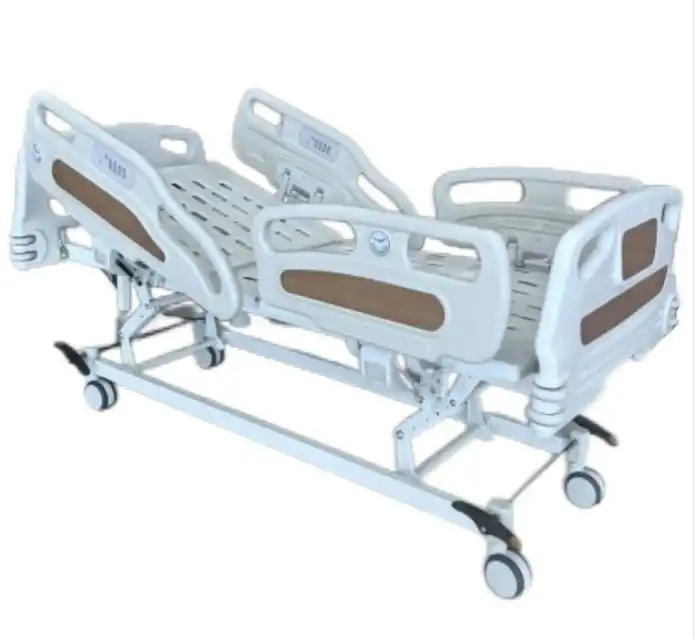
Healthcare professionals are at significant risk for occupational injury. It’s a physically demanding job that involves moving and lifting patients. Electric hospital beds reduce these dangers by taking away the hard physical effort. The bed is raised to a height that enables carers to inspect, care for wounds, and complete hygienic activities without stooping over and hurting their backs. With motorised placement less workers are required to turn patients, and the team may focus on other aspects of care.
The benefits in time efficiency also prove important. Using the control panel, carers may move patients in seconds rather than minutes with manual changes. That level of responsiveness is crucial in crises where fast position changes—such as the CPR release mechanism included on the KY-E3—can save lives. Multiple little changes each day per patient add up to the added time saved throughout the whole institution, which greatly increases the efficiency of the personnel without sacrificing the quality of their treatment.
Long-Term Financial Value and Durability
Electric beds may be more expensive than manual beds to purchase initially, but the value is in the electric beds over the long run. Fewer staff injuries mean fewer workers’ compensation expenditures and less sick leave expense. Fewer pressure ulcers mean less prolonged care expenditures and fewer possible lawsuits. Quality models like those from GreatMicroCare are built to last and provide years of dependable operation. Maintenance-free motors and corrosion-resistant steel frames can handle the rigorous demands of healthcare facilities.
Another economic advantage is energy efficiency. Electric mattresses of days don’t use a whole lot of power while they are running, and they have standby settings where they do use less power when they aren’t moving. The KY-E3 is designed to operate at AC 220V, 50Hz, making it compatible with typical electrical systems in health care facilities without specific wiring requirements. Optional backup power systems keep things running during outages, ensuring patient safety and avoiding costly facility-wide backup systems.
Practical Uses and Industries Benefiting from Three Function Electric Beds
The versatility of electric hospital beds makes them suitable across various healthcare settings, each leveraging different aspects of their functionality to address specific patient populations and care models.
Hospitals and Acute Care Settings
General hospitals utilize these beds throughout multiple departments. Post-operative units rely on smooth positioning that accommodates surgical drains, monitoring equipment, and patient comfort during initial recovery phases. Medical-surgical floors benefit from the beds' ability to facilitate mobility exercises and gradual patient progression from bed rest to ambulation. Critical care environments, while often employing higher-function beds, still find three function models suitable for step-down units where patients transition from intensive monitoring.
Specialized hospitals focusing on orthopedics, cardiology, or neurology appreciate how positioning adjustments support condition-specific care protocols. Cardiac patients benefit from elevated head positions that reduce cardiac workload. Orthopedic patients recovering from hip or knee replacements use leg elevation to control swelling while maintaining prescribed positioning angles. The 250 kg weight capacity accommodates diverse body types, ensuring safe care delivery across patient populations.
Elder Care and Long-Term Care Facilities
Assisted living communities and nursing homes represent ideal environments for electric adjustable beds. Elderly residents with limited strength struggle to operate manual bed controls, while electric systems restore independence. The ability to adjust positions without assistance allows residents to read, watch television, or socialize more comfortably, improving quality of life during extended stays. Safety rails available as accessories prevent falls during sleep or transfers, addressing a primary concern in eldercare settings.
Chronic condition management becomes more effective with appropriate bed support. Residents with heart failure benefit from sleeping with elevated upper bodies to reduce fluid accumulation. Those with arthritis find relief through positioning that minimizes joint stress. The beds' quiet motors avoid disturbing roommates or neighboring residents, preserving the peaceful atmosphere essential to residential care communities.
Home Healthcare and Remote Patient Care
The growing home healthcare sector relies increasingly on medical-grade equipment that families can operate safely. 3-Function Electric Hospital Bed designed for home use combines clinical functionality with aesthetic considerations suitable for residential environments. Models like the KY-E3, with dimensions that fit through standard doorways and optional accessories like dinner boards and bedside tables, transform home bedrooms into functional care spaces without an institutional appearance.
Family caregivers, often lacking formal training, find electric controls significantly easier than manual alternatives. The user-friendly interface reduces training requirements while empowering patients to make their own adjustments, lessening caregiver burden. Home healthcare agencies providing rental equipment appreciate the durability and low maintenance requirements that reduce service calls and replacement costs.
Rehabilitation and Physical Therapy Centers
Rehabilitation facilities leverage bed positioning to support therapeutic protocols. Patients recovering from strokes or traumatic injuries use gradual elevation adjustments to rebuild tolerance for upright positions. Physical therapists incorporate bed height modifications during transfer training, teaching patients to move safely between bed and wheelchair. The stable platform provided by the steel frame construction ensures safety during exercises performed in bed, such as leg lifts or core strengthening movements.
Buying Guide: What Procurement Managers Should Look for in a Three Function Electric Bed
Successful procurement requires evaluating multiple factors beyond the initial purchase price. A systematic approach ensures selected beds meet clinical needs while delivering reliable performance throughout their service life.
Motor Quality and Mechanical Reliability
Any electric hospital bed is driven by its motor system. In healthcare facilities, waterproof motors save expensive repairs or early failure, inevitable with fluid spills. Operating quietly helps protect therapeutic conditions when noise pollution interferes with patient slumber. Maintenance-free designs remove service schedules, lowering long-term operating expenses. “Ask suppliers for documentation of motor testing protocols and failure rates so you can objectively assess reliability.”
Safety Certifications and Compliance Standards
Medical equipment has to be tested to fulfil high safety criteria before it can be used in healthcare settings. Make sure the beds are approved for your market – FDA approval for the US, CE marking for Europe, or the equivalent for other parts of the world. GreatMicroCare Medical offers full certification documents for customs clearance and regulatory compliance, hence easing the purchase process for overseas customers. Anti-pinch systems, emergency stop features, and safe lock systems should equal or surpass industry norms.
Customization and Configuration Options
Healthcare institutions have special requirements that need versatile equipment solutions. Check whether manufacturers allow for customisation of size, weight capacity, or accessory integration. The KY-E3 also comes with an optional backup power supply for use in areas with unpredictable energy, CPR quick-release mechanisms for emergency situations, and compatibility with specialty medical mattresses. If you’re a procurement manager with big deployments in mind, check that the OEM can customise the colour scheme, branding, or even the exact configuration of accessories to fit into your current equipment ecosystem.
Supplier Credentials and Support Infrastructure
Partnering with proven suppliers alleviates sourcing risks. Assess vendors on manufacturing capacity, quality control methods, and track record in medical exports. GreatMicroCare Medical has in-house design, manufacturing, and sales capabilities to quickly respond to changes in specifications or technical questions. By working directly with the manufacturer, the markups by middlemen are removed, and clients have access to an engineering team to discuss product customisation. Confirm availability of one-on-one account management and fast communication of order progress and technical requirements.
Warranty Coverage and After-Sales Service
All warranty periods are full for errors in production and early component failure. And standard warranties for appropriate lengths of time should cover motors, control systems, and structural parts, commensurate with estimated product lifetimes. Look for after-sales support beyond warranty terms - technical help, troubleshooting, replacement parts inventories, and field service networks. GreatMicroCare Medical’s export-oriented business offers international procurement, sourcing vendors who can provide paperwork and remote assistance across time zones and languages.
How to Operate and Maintain a Three Function Electric Bed for Optimal Performance
Proper operation and routine maintenance extend equipment lifespan while ensuring consistent patient safety. Training programs and maintenance protocols should address both clinical staff and, when applicable, patients and family caregivers.
Basic Operation and Safety Protocols
Electric Hospital Beds: How They Work. To use an electric hospital bed, you need to know what each button on the control panel does and how to be safe. The control panel usually has clearly designated buttons for each of the adjustment directions: head up/down, feet up/down, and height up/down. Users should always check to make sure the space surrounding the bed is free before making any motions so as to avoid entrapment dangers. If adjusting the bed height, verify the patient is stable and medical equipment connected to the bed can tolerate the position change without tangling lines or tubes.
Those patients who can self-adjust should be taught to do so gradually to avoid orthostatic hypotension. Carers need to grasp the principles of weight distribution. Lifting the head part of the bed changes the center of gravity of the patient and may necessitate adjusting for comfort. The emergency stop button should be clearly explained to all users, including its placement and purpose, positioning it as an urgent reaction choice for unforeseen circumstances.
Routine Maintenance and Inspection
Preventive maintenance keeps things running and catches problems before they become failures. Monthly check to ensure motors are working well and there aren’t any strange sounds or reluctance. Look for responsive buttons on control panels and clean display elements. Check the steel frame for corrosion or structural stress, especially at joints and under weight. Casters need frequent cleaning to eliminate material that hinders movement and periodic lubrication for smooth rolling.
Electrical Connections: Inspect electrical connections periodically to ensure plugs are secure and power cables are not damaged. Test backup power systems quarterly to ensure batteries retain charge and automated switchover works. Use tight cleaning processes in health care facilities with suitable disinfectants that are not damaging to bed surfaces or mechanical components. The KY-E3, like other beds, is made of a cold-rolled steel structure that resists surface deterioration from frequent cleaning, supporting infection control standards.
Troubleshooting Common Issues
When things go wrong, knowing common problems and remedies means less downtime. If a motor fails to react, examine the power supply connections and also ensure that the emergency stop button has not been accidentally pressed. Slow movement generally implies a low backup battery charge or a mechanical obstacle that has to be checked. If you hear strange sounds when running the machine, loose parts may require tightening or debris may be getting in the way of moving parts.
If the issue cannot be resolved by simple troubleshooting, contact the manufacturer’s technical support staff. GreatMicroCare Medical provides specialised support for specification clarifications or operational concerns. Their manufacturing knowledge helps them to detect problems correctly. Keep detailed records of service operations, such as repairs and component replacements, to track trends that may imply design changes or operational modifications.
Conclusion
Three Function Electric Bed motorised features of electric hospital beds are a strategic investment with demonstrable gains in patient comfort, carer efficiency, and operational performance. They are versatile enough for use in all healthcare settings, from acute hospitals to home care. Ergonomic advantages and safety features boost their value, making them essential equipment for quality-focused organisations. A comprehensive review of motor quality, safety certificates, customisation choices, and supplier credentials ensures purchase selections meet clinical objectives and financial restrictions. Proper operation and maintenance procedures maximise equipment life, safeguard investment value, and enable a high level of patient care delivery.
FAQ
1. What distinguishes a three-function electric bed from four- or five-function models?
Three-function beds control backrest angle, leg position, and overall height. Four function models add Trendelenburg positioning, tilting the entire bed with the feet elevated above the head, beneficial for shock treatment or specific surgical positions. Five function beds incorporate both Trendelenburg and reverse Trendelenburg capabilities. For general medical, eldercare, and home healthcare applications, three-function beds provide sufficient positioning flexibility at lower cost, making them the practical choice for most facilities outside critical care environments.
2. Can patients safely use electric hospital beds at home without constant supervision?
Home healthcare models incorporate safety features enabling independent patient use. Anti-pinch sensors prevent injury, while emergency stop buttons provide immediate control. Weight capacity specifications accommodate most adults safely when used within rated limits. Patients with cognitive impairments may require caregiver oversight, but alert individuals can manage these beds safely after receiving basic operational training. Optional bed rails prevent falls during sleep, addressing primary safety concerns in unsupervised settings.
3. What are typical lead times for bulk orders of electric hospital beds?
Production schedules vary based on order size and customization requirements. Standard configurations often ship within two to four weeks from factories with established inventory. Custom specifications requiring dimension modifications or specialized accessories may extend timelines to six to eight weeks. GreatMicroCare Medical's integrated production capabilities enable flexible scheduling, accommodating urgent needs while maintaining quality standards. Communication with account managers during planning stages establishes realistic delivery expectations aligned with facility opening dates or equipment replacement schedules.
Partner with GreatMicroCare Medical for Superior Electric Hospital Bed Solutions
GreatMicroCare Medical stands as a trusted Three Function Electric Bed manufacturer committed to delivering exceptional value through direct factory pricing and proven customization capabilities. Our KY-E3 model represents years of engineering refinement focused on patient comfort and clinical functionality. We understand the complexities of bulk procurement, offering dedicated account management to guide you through specification confirmation, order tracking, and technical verification processes.
Our comprehensive certifications meet international medical equipment standards, while our extensive export experience ensures efficient customs clearance and compliance with regional regulations. Whether you need standard configurations or customized dimensions to match specific facility requirements, our integrated design and production teams respond rapidly to technical inquiries and modification requests. We support your success through transparent communication and reliable delivery schedules, protecting your project timelines.
Contact us today at Jackwang@medicalky.com to request detailed product specifications, volume pricing, and information about our complete range of medical equipment solutions. Discover why healthcare organizations worldwide trust GreatMicroCare Medical as their Three Function Electric Bed supplier for projects demanding quality, reliability, and exceptional service.
References
1. Morrison, M.J., & Stevenson, K.L. (2021). Hospital Bed Technology and Patient Safety: Evidence-Based Guidelines for Healthcare Procurement. Medical Equipment Standards Press.
2. Chen, H., Rodriguez, A., & Williams, T. (2022). "Ergonomic Benefits of Electric Hospital Beds in Reducing Caregiver Musculoskeletal Injuries." Journal of Healthcare Management, 67(3), 234-248.
3. National Pressure Injury Advisory Panel. (2020). Prevention and Treatment of Pressure Ulcers: Clinical Practice Guideline. Cambridge Media.
4. Patterson, R., & Zhang, L. (2023). "Cost-Benefit Analysis of Electric versus Manual Hospital Beds in Long-Term Care Facilities." Healthcare Financial Management, 77(2), 56-71.
5. American Hospital Association. (2022). Medical Equipment Selection Guide for Procurement Managers. AHA Press.
6. Thompson, D.S., Kumar, P., & Lee, S. (2021). "Home Healthcare Equipment Adaptation: Patient Independence and Caregiver Burden Reduction." Geriatric Nursing, 42(4), 891-905.