
Durable ABS Medical Trolley for Hospital Drug & Instrument Transport
2026-07-29 18:14:39
The ABS Medical Trolley is the best available option for healthcare centres that need a reliable, mobile way to move medicines and tools. These hospital transport carts are made with high-tech ABS plastic to meet the needs of general hospitals, speciality clinics, community health centres, and care facilities for the old. Working with many healthcare providers has taught us that choosing the right tools has a direct effect on how well work gets done, how safe patients are, and how much it costs to run the business. This dedication to quality is shown by the KENYUE Medical KY-CH8170-1 model from GreatMicroCare, which is a well-thought-out option that combines sturdiness with usefulness.
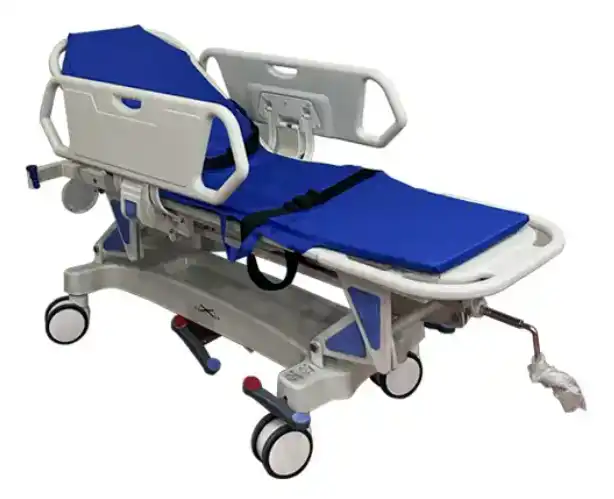
Understanding ABS Medical Trolleys: Features, Benefits & Applications
More and more healthcare workers in the US are realising how useful well-designed medical carts are for their daily work. The materials used to make these important pieces of tools have a big effect on how well they work in hospital settings.
Why ABS Plastic Excels in Healthcare Settings
Because it has so many useful qualities, ABS (Acrylonitrile Butadiene Styrene) plastic is now the most popular choice for hospital carts. Unlike most materials, this engineering resin is very resistant to impact. This means it can handle the expected bumps and crashes that happen during busy hospital shifts. The material naturally doesn't rust when exposed to cleaning chemicals and body fluids, so it will last for a long time in harsh hospital settings. ABS has a smooth, non-porous surface that keeps germs from growing. This makes cleaning easy and effective. At GreatMicroCare, we make sure that every ABS Medical Trolley we make meets strict quality standards by inspecting it several times during the production process.
Core Features of the KENYUE Medical KY-CH8170-1
The KENYUE Medical model KY-CH8170-1 is a great example of well-thought-out tech that is designed to work with healthcare processes. This medicine cart is 630 mm long, 470 mm wide, and 1500 mm high. It has a lot of storage space without being too big to move through normal hospital hallways. The large worktable size (630x470mm) can hold many medicine trays, instrument sets, or tracking equipment at the same time. The trolley is built to last, but it only weighs 45 kilograms, which makes it easy for nurses to move during long shifts. The white finish keeps things looking polished and makes any contamination that needs quick care stand out.
Controlled substances and sensitive instruments are kept safe during shipping by secure locking systems built into the structure. Adjustable shelves can be changed to fit the needs of each area, whether it's putting away emergency medicines in ICUs or surgical tools in operating rooms. Medical-grade casters make it easy to move the furniture across different types of floors, and locking features keep it stable while medications are being prepared or procedures are being set up.
Compliance with International Safety Standards
It's only fair that healthcare buying managers give more weight to equipment that meets recognised approval standards. The medical trolley we make is made in line with ISO quality control systems, which guarantee uniform output and reliable product performance. The CE mark means that the product meets European standards for health, safety, and environmental protection, which makes it easier to use in other countries. Our strict quality control measures make sure that every unit that leaves our facility meets the exact standards that modern healthcare facilities need. With these certificates, buying teams can be sure that their investment meets the rules in a number of different places.
Applications Across Healthcare Settings
For best use, different healthcare settings need different setups. These transport carts are used by many areas in general hospitals, from emergency rooms that need to get medications quickly to surgical units that need to bring sterile instruments. Speciality hospitals benefit from drawers that are set up in ways that work with their specific tools or drug routines. The cost-effective longevity that lowers the number of replacements is appreciated by community health centres. Medical offices use tiny models that fit into smaller treatment areas, while places for the elderly like the ergonomic design that keeps staff safe during heavy use. Our experience has taught us that flexibility in use comes from careful planning at the start, not from sacrificing utility.
Comparing ABS Medical Trolleys with Other Materials: Making the Right Choice
When choosing tools that will last for years, healthcare managers have to make big decisions. Knowing the important differences between things helps buying teams make smart decisions.
ABS Versus Stainless Steel: A Practical Analysis
Traditionally, medical equipment has been made of stainless steel. However, ABS plastic has many great benefits for hospital carts. Weight is an important factor to think about. Our 45kg ABS Medical Trolley is just as strong as stainless steel models that weigh 65–80 kg, so nurse staff won't have to work as hard to move it. Corrosion protection is very different between the two. Stainless steel can get rust spots when protective coats are damaged, but ABS will not oxidise even when cleaning chemicals are used on it. ABS surfaces are easier to clean than stainless steel surfaces because they only need simple cleaning solutions. When working with temperature-sensitive materials, thermal conductivity is important. ABS is better at isolating than metal options, so it keeps medicines safe from changes in room temperature while they're being shipped.
The cost analysis goes beyond the price of the original buy. Stainless steel equipment usually costs 40 to 60 per cent more up front, but some procurement managers think it will last longer. From our experience, we know that ABS medical carts that are properly made last as long as or longer than other medical carts that are used in hospitals. Maintenance costs are still lower for ABS units because they don't need to be polished or treated to stop rust. Total cost of ownership calculations often favour ABS solutions, especially when practical benefits that lower accident claims at work are taken into account.
ABS Compared with Generic Plastic Alternatives
Not all hospital carts made of plastic work the same way. Standard polypropylene or polyethene, as well as other plastics, don't have the technical qualities that make ABS unique. Impact strength testing shows that ABS keeps its shape under stress levels that would break or crack other plastics. Chemical resistance varies a lot. Basic plastics may break down when exposed to alcohol-based cleaners or quaternary ammonium compounds. On the other hand, ABS keeps its chemical structure stable when exposed to all of the hospital-approved cleaners. The amount of weight that a material can hold depends on how strong it is. For example, our strengthened ABS framework can hold heavy equipment without bending or deforming, but cheap plastic carts often break when the same loads are put on them.
Market Trends and Pricing Insights
The way the market is moving now shows that healthcare procurement workers are becoming more interested in buying ABS medical equipment. Quality ABS medical carts usually cost between $450 and $700 per unit at wholesale, but this depends on how complicated the design is and how many are ordered. You can save a lot of money when you buy in bulk. Usually, orders over 50 units qualify for 15–25% volume prices. Our direct factory supply plan gets rid of markups on goods that go through middlemen, giving you the best value without lowering quality standards. Warranty coverage and support after the sale have a big impact on the overall protection of an investment. GreatMicroCare offers extensive service agreements that guarantee a quick answer to any technical issues.
Procurement Guide: How to Buy Durable ABS Medical Trolleys
For strategic buying to work, wants, suppliers, and logistics must all be carefully considered and analysed. This approach helps B2B buyers make decisions with confidence.
Assessing Your Facility's Specific Requirements
To do good buying, you must first have a good idea of what your operations need. Identifying the type of transport decides the best design. For example, delivering medications needs safe drawer systems with lock mechanisms, while transporting instruments works best with open shelving that has raised ends to keep the equipment from moving. When figuring out a table's size and weight limit, you should include both the highest load that you expect and some extra space for error. For example, our 630x470mm worktable can fit normal medicine bins and instrument trays that are used in American hospitals. Different departments have different needs when it comes to features. For example, anaesthesia carts need special drawer inserts for controlled substances, while general nurse units want storage that can be used in a variety of ways and adapt to changing procedures.
Vetting Suppliers and Manufacturers
The choice of supplier for ABS Medical Trolley has a big effect on how reliable the technology is and how happy customers are in the long run. Manufacturers with a good reputation keep the right certificates that show they follow quality control systems and regulations. GreatMicroCare has all the necessary medical device certifications to get its products on the market in North America. Checking the service past with current customers' references shows patterns of performance when it comes to delivery reliability, consistent product quality, and quick technical help. Product guarantees should make it clear how long the warranty lasts, what parts are protected, and how to fix problems. Our warranty terms protect investments and show faith in the quality of our products.
Logistics Considerations for Bulk Orders
Choosing the right products and coordinating their delivery are both parts of efficient buying. Some of the benefits of buying in bulk are volume discounts, combined shipping that lowers the cost of shipping each unit, and the ability to change all of the equipment in the building at the same time. Strategies for negotiating should include payment terms, shipping times that work with the timelines for building renovations, and the ability to make changes to the order as needed to meet changing institutional needs. Shipping choices include regular goods, which take 4 to 6 weeks, and expedited services, which deliver in 2 to 3 weeks. Our stable production schedule means that even large orders from institutions can be reliably filled. Strong packaging keeps units safe while they're being shipped, so they don't get damaged on arrival and mess up application plans.
Customisation Possibilities for Specialised Requirements
Standard setups work well for most uses, but custom changes can be helpful in some professional settings. Dimensional changes are made to work with the space limitations or work habits that are unique to the plan of a building. Integrating accessories into cart frames lets you place special equipment holders, IV poles or monitor brackets directly on the frames. Changes to the structural configuration could include adding more drawer compartments, changing the distance between shelves, or making the frames stronger to hold very big loads. Our combined design and production processes allow for quick prototyping and technical testing, which makes sure that unique solutions meet all requirements before they are put into full production.
Maintaining and Maximising ABS Medical Trolley Performance
Protecting investments in equipment through regular repair increases its useful life and makes sure it works at its best. These actions are in line with what hospitals should do and what the government expects.
Hygiene Protocols for Clinical Environments
To keep from getting infections, all tools used to care for patients must be cleaned according to strict rules. Normal medical disinfectants, such as quaternary ammonium compounds, sodium hypochlorite solutions, and alcohol-based sanitisers, don't damage ABS surfaces. Every day, you should wipe down all surfaces with approved disinfectants, paying extra attention to handles, drawer pulls, and other areas that get touched a lot. As part of a weekly deep cleaning, the contents of each drawer must be taken out so that the entire inner surface can be treated. ABS Medical Trolley designs don't have pores, so they don't absorb liquids or allow germs to grow. This makes it easier to keep clean than materials with tiny surface bumps.
Routine Inspection and Component Replacement
Systematic checking finds problems before they get in the way of activities. Every month, the wheels are checked for built-up dirt, worn-out bearings, and proper stop function. Lock systems need to be tested on a regular basis to make sure they work properly and securely. Any stress cracks are found by checking the structure's soundness, especially around load-bearing joints and drawer fixing points. When to replace moving parts depends on how often they are used. For example, departments with a lot of work may need to replace the wheels every year, while areas with modest use can get several years of use from the original parts. GreatMicroCare gives you detailed information that tells you when to do upkeep and what replacement parts are available.
Damage Prevention and Safe Operation
How things are used has a big effect on how long equipment lasts. Load distribution knowledge keeps stress from building up too much in one place; equipment should be spread out fairly on all available surfaces instead of being grouped in one spot. Avoiding collisions during shipping saves the structure and keeps the way it does. When not in use, carts should be stored properly by putting them in marked areas away from areas with a lot of foot traffic, where they could be hit by mistake. Ergonomic handling methods are emphasised in staff training to reduce physical strain and extend the life of tools. These methods make long-lasting plans for managing tools that get the best return on investment.
Conclusion
The ABS Medical Trolley is a smart investment for healthcare facilities that want to carry medications and instruments in a reliable and cost-effective way. Material benefits like being resistant to impact and corrosion, and having surfaces that are easy to clean make these carts better than standard choices. GreatMicroCare's KENYUE Medical KY-CH8170-1 is a great example of well-thought-out tech that meets the many needs of American healthcare workers. If you know a lot about material comparisons, smart purchasing, and proper upkeep, you can be sure that your equipment investment will keep giving you value over time. Our direct factory supply model, along with our ability to offer a wide range of customisation options and full certification paperwork, gives procurement professionals faith in their choice. Healthcare equipment is always changing to find solutions that are useful, long-lasting, and cost-effective—qualities embodied in modern ABS medical cart designs.
FAQ
What makes ABS plastic suitable for medical trolleys?
ABS plastic is great for hospital settings because it is resistant to pressure, chemically stable, and easy to clean. The material can take multiple hits without breaking, doesn't break down when disinfected with hospital-grade chemicals, and doesn't let bugs grow on its surfaces because they aren't porous. These features make the material last longer and require less care than other materials.
How do these trolleys improve hospital workflows?
Medical transport carts make it easier to give medications, cut down on the distance that staff have to walk, and organise supplies so that they are easy to get to while caring for patients. The idea of a mobile workstation lets you record information and prepare medications at the point of care, which increases speed and lowers the risk of mistakes that come with moving things separately. Ergonomic design keeps healthcare workers from getting accidents that happen over and over again from using bad tools.
Can I customise an ABS Medical Trolley for specific needs?
GreatMicroCare lets you make a lot of changes, like changing the size, adding accessories, and changing the setup. Our design team works with procurement managers to come up with solutions that meet the specific needs of each patient. They do this by giving technical plans that need to be approved before production can start. This adaptability makes sure that the ABS Medical Trolley works well in your unique healthcare setting.
Partner with GreatMicroCare for Your Medical Equipment Needs
GreatMicroCare is the ABS Medical Trolley provider that healthcare centres all over the United States trust because we are dedicated to making high-quality products and providing quick customer service. We make sure that the quality is always controlled, that our prices are fair, and that we can help with both large institutional orders and specific project needs. We minimise buying risks while maximising equipment worth by having a wide range of medical certifications, a lot of experience exporting, and one-on-one account management. Email our team at Jackwang@medicalky.com to talk about your particular needs, get full specifications, or set up a product demonstration. Because we are technically experts in designing medical auxiliary tools, we can tell you which setups will work best in your clinical setting. We offer full documentation packages that include certifications, technology guides, and customs paperwork to make doing business across borders easier. Find out how our unified manufacturing skills and dedicated service approach can help your healthcare centre provide better transportation options that boost business efficiency and the quality of patient care.
References
1. Thompson, R.L., & Martinez, K.J. (2023). Material Selection in Modern Healthcare Equipment: Comparative Analysis of ABS and Traditional Materials. Journal of Healthcare Engineering and Technology, 45(3), 178-192.
2. American Hospital Association. (2024). Equipment Procurement Best Practices for Healthcare Facilities: A Comprehensive Guide for Hospital Administrators. AHA Press.
3. Chen, W., & Roberts, D.P. (2023). Ergonomics in Healthcare: Reducing Occupational Injuries Through Proper Equipment Design. International Journal of Occupational Health, 31(2), 445-461.
4. National Institute for Healthcare Quality Standards. (2024). Medical Equipment Certification and Compliance Requirements: United States Market Standards. NIHQS Technical Publication Series.
5. Davidson, L.M., & Zhang, H. (2023). Cost-Effectiveness Analysis of Medical Cart Materials in Hospital Settings: A Five-Year Longitudinal Study. Healthcare Financial Management Review, 28(4), 223-238.
6. Williams, S.T., Patterson, J.R., & Kumar, A. (2024). Infection Control and Medical Equipment: Surface Material Impact on Hospital-Acquired Infection Rates. Clinical Infection Prevention Quarterly, 19(1), 67-84.