
Where to Buy Gelatin Hemostatic Sponge for Import and Distribution
2026-08-25 21:30:25
If you are a healthcare procurement specialist seeking a credible source for the import and distribution of Gelatin Hemostatic Sponge, you should look for manufacturers with extensive certifications, established export experience, and direct factory capabilities. For surgical haemostasis, FDA-compliant absorbable gelatin sponges are available from trusted suppliers such as GREATMICRO Medical, with transparent quality control and reasonable pricing for bulk medical procurement.
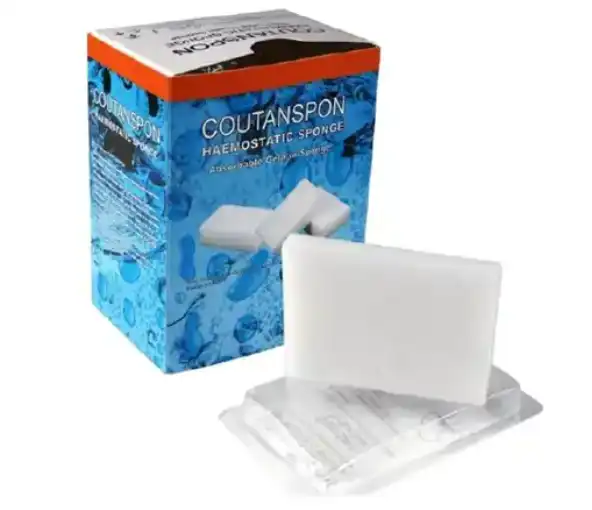
Understanding Gelatin Hemostatic Sponge and Its Market Demand
What Makes Absorbable Gelatin Sponges Essential in Modern Surgery
Absorbable gelatin sponges are a type of biocompatible medical device formulated primarily to promote haemostasis by physical and biological means. These sterile, porous products (such as GREATMICRO Medical’s YYD-MPD-001) are made from pure pig skin gelatin and expand upon contact with blood to form a soft matrix that sticks to bleeding tissue. The physical barrier stimulates platelet aggregation and clot formation at areas of damage, while the gelatin liquefies and is completely absorbed by the body in four to six weeks, removing the need for surgical removal.
Clinical Applications Driving Global Procurement
The flexibility of these haemostatic agents has made them a typical inventory in a wide variety of medical areas. They are used by surgical teams in general surgery for the control of capillary and venous bleeding in abdominal operations. Orthopaedic doctors use them on surfaces of bones following resection. Gynaecologists employ them in caesarean sections and hysterectomies. Dentists use them to reduce bleeding after a tooth has been removed. The spectrum includes emergency trauma therapy, burn treatment, military medicine, and industrial accident response—settings where prompt and efficient haemostasis may be the difference between life and death for the patient.
Regulatory Framework and Safety Standards
Importers of medical devices fall under the strict regulatory regimes for distributors of healthcare. Absorbable Hemostatic Gel Foam products sold in the United States must be approved by the Food and Drug Administration (FDA) to show biocompatibility, sterility, and clinical effectiveness. International Markets: ISO 13485 quality management systems and CE marking are required for distribution in Europe. Providing full paperwork such as certificates of analysis, sterility validation and biocompatibility test results may help suppliers greatly decrease the risk of regulatory action and importation delays for distributors. GREATMICRO Medical has comprehensive certification portfolios according to international standards, allowing a smooth market entrance in different countries.
Market Growth Dynamics and Procurement Trends
The worldwide market for haemostatic agents is anticipated to see a steady increase and achieve a large market size owing to the growing acceptance of minimally invasive surgeries, increasing number of outpatient procedures, and improved patient safety measures. U.S. healthcare providers are increasingly adopting evidence-based procurement, assessing suppliers not just on unit cost but on overall value, including product consistency, technical support availability, supply chain dependability, and post-sale service. In this changing environment, distributors aligned with manufacturers providing integrated solutions are at a competitive advantage.
Comparing Gelatin Hemostatic Sponge with Other Hemostatic Products
Material Composition and Mechanism Differences
Understanding the distinctions between hemostatic agent categories enables informed product selection aligned with clinical needs. Gelatin-based sponges function primarily through physical mechanisms—swelling to provide mechanical pressure and creating a scaffold for clot formation. Collagen-based products similarly offer physical hemostasis but with enhanced platelet activation properties. Oxidized cellulose generates an acidic environment that denatures blood proteins, forming a sticky mass that seals vessels. Thrombin-soaked sponges provide enzymatic clotting cascade activation, offering rapid hemostasis but requiring careful handling to avoid systemic effects.
Clinical Performance Across Surgical Contexts
Each hemostatic category demonstrates specific performance characteristics suited to particular surgical scenarios. Absorbable gelatin sponges excel in situations requiring reliable hemostasis with predictable absorption timelines and minimal tissue reaction. Their pliability allows them to conform to irregular wound surfaces, making them ideal for neurosurgery and delicate ENT procedures. Collagen products offer superior handling characteristics when dry application is preferred. Oxidized cellulose provides antimicrobial properties valuable in potentially contaminated surgical fields. Thrombin-based products deliver rapid hemostasis in high-flow bleeding situations but come with higher costs and storage requirements.
Safety Profiles and Contraindication Awareness
While generally well-tolerated, each hemostatic agent category carries specific safety considerations. Gelatin sponges should be used judiciously in enclosed spaces to avoid compression complications as they swell. Excessive amounts may delay absorption and potentially increase infection risk. Documented complications include fever, hearing loss in otologic procedures, and rare toxic shock syndrome cases in nasal applications. Collagen products derived from bovine sources may pose allergy concerns for sensitized patients. Oxidized cellulose can interfere with bone regeneration and should be removed from fracture sites. Comprehensive product labeling and clinical training mitigate these risks effectively.
Decision Framework for Procurement Managers
When evaluating which hemostatic products to include in your distribution portfolio, consider these factors systematically. Assess your target customer base—are they primarily general hospitals requiring versatile products for diverse procedures, or specialized surgical centers with specific hemostatic needs? Evaluate regulatory burden—products with established FDA clearance and robust clinical data facilitate smoother hospital formulary approval. Analyze competitive positioning—gelatin sponges typically offer favorable cost-effectiveness ratios for volume-based procurement. Consider technical support capabilities—suppliers providing clinical education and product training add value beyond the physical product.
How to Choose the Right Supplier for Gelatin Hemostatic Sponge
Essential Certification and Compliance Verification
Supplier qualification starts with a thorough certification evaluation for Hemostatic Gel Foam. Legitimate producers have current FDA registrations, quality system certifications (ISO 13485), and particular approvals for their products showing conformity with biocompatibility requirements (ISO 10993 series). Ask vendors directly for certifications and check validity using regulatory databases. Conduct site reviews for good manufacturing practice (GMP) compliance via audit reports or third-party certifications. Suppliers, e.g., GREATMICRO Medical, proactively providing complete regulatory paperwork exhibit transparency and reduced due diligence load.
Production Capacity and Supply Chain Reliability
Make sure your prospective suppliers have the manufacturing capacity to regularly satisfy your distribution demands. Ask about their production capacity, normal lead times, and how they handle inventories. Reliable suppliers will have a buffer stock to provide for swings in demand and unexpected surges in orders. Evaluate the security of their raw material procurement – shortages of pure gelatin might lead to shortages of the product. Look at their quality control processes, batch testing and release criteria. Manufacturers that vertically integrate frequently have better control of the supply chain and are more responsive to urgent needs.
Export Experience and International Logistics Capabilities
Successful international medical device sourcing needs proven export competence by providers. Experience with the United States healthcare markets. Experience with FDA import laws, customs paperwork requirements, and medical device labelling standards greatly reduces the chance of shipping delays or rejection. Ask about their logistics partners, their skills for cold chain management (if necessary), and packaging certification for international transport. Distributors can import their products more easily and lower their overall landing costs with those who provide consolidated shipping alternatives, flexible Incoterms, and customs broking help.
Pricing Structures and Volume Discount Negotiations
Transparent pricing structures allow you to accurately predict the finances of your distribution firm. Provide thorough bids with unit cost breakdowns, minimum purchase quantities, and volume discount levels. Don't just compare basic pricing; compare whole value propositions, including freight terms, payment conditions, and warranty coverage. Competitive prices are offered by reputable manufacturers based on direct factory status and quality criteria. Negotiate payment terms that meet your cash flow demands, but also control supplier risk. This might be letters of credit, advance payments, or established credit terms for existing agreements. Clarify agreements on price stability to avoid surprise price rises throughout contract terms.
Step-by-Step Guide to Buying Gelatin Hemostatic Sponge for Import and Distribution
Demand Assessment and Market Analysis
Start the buying process with a thorough examination of the market. Identify your present healthcare clients’ current use of haemostatic products, satisfaction, and unfulfilled requirements. Locate the institutions you want to target. General hospitals could need more volume of goods across a lot of departments, whereas a specialised surgery center might have very particular needs. Project volume needs by bed counts, surgery volumes, and procedure mix. The demand projection guides your first purchase volumes and allows you to negotiate favourable price tiers with suppliers.
Sample Acquisition and Clinical Validation
Never accept big orders without due diligence on the goods. Sample kits must be requested from chosen suppliers and ensure sample kits are of precise specifications and lot manufacturing of bulk inventory. Send samples to key opinion leaders in your hospital network, such as chiefs of surgery, OR directors, and materials management specialists. Gather systematic input on product performance, handling, ease of packing, and comparison with existing items. Clinical validation by your end customers gives your product trust and helps drive smoother product acceptance at launch.
Regulatory Documentation and Compliance Verification
Complete regulatory paperwork for each product must be compiled before making orders. Required documentation includes: FDA 510(k) clearance letters, manufacturer registration certificates, ISO certifications, product specifications, directions for use, and safety data sheets. Ensure product labelling meets FDA medical device labelling regulations, including proper instructions, contraindications, and warnings. Verify label shelf life claim by checking sterilisation validation documents. This regulation bundle is vital to the hospital credentialing procedure for customs clearance and customer due diligence.
Contract Negotiation and Purchase Agreement Finalization
Negotiate full purchase agreements to safeguard your company interests. Discuss minimum order quantities, delivery timeframes, and acceptance standards. Set quality criteria that relate to certain performance metrics and cosmetic features. Include warranty provisions for product defects, sterility problems, and transportation damage. If you are looking at private labelling or bespoke packaging, be sure to clarify the intellectual property rights. Include termination provisions that provide exit choices if supplier performance deteriorates. Put it in writing – there is no such thing as a verbal contract in international business disputes.
Import Logistics and Inventory Management
Work with customs brokers knowledgeable in importing medical devices to manage FDA entry regulations. • Send Prior Notice documents electronically using FDA’s Electronic System for Import Surveillance. Maintain thorough lot traceability records to match each incoming cargo with precise purchase orders and manufacturer lot numbers. Implement warehouse controls that include temperature monitoring, pest control, and segregation of quarantined goods before quality inspection. Create rotation mechanisms to provide first-expiry-first-out inventory flow. These measures help to preserve the integrity of your goods and allow your company to be ready for FDA inspections or customer audits.
Conclusion
Procurement of high-quality absorbable Gelatin Hemostatic Sponge for medical distribution involves careful supplier selection, rigorous compliance verification, and methodical procurement procedures. By understanding product features, doing thorough supplier evaluations, and using solid quality processes, distributors may become trusted partners for healthcare institutions looking for dependable haemostatic solutions. The U.S. market has significant prospects for goods like GREATMICRO Medical’s certified gelatin sponges that comply with strict criteria for safety, effectiveness, and regulatory compliance, for distributors who combine clinical expertise with operational excellence. Good procurement is not transactional buying; it establishes sustainable relationships that provide superior surgical results in a variety of healthcare settings.
FAQ
1. How long does absorbable gelatin sponge typically take to dissolve in surgical sites?
Absorption timelines vary by anatomical location and tissue environment. When placed in soft tissues, complete absorption occurs within four to six weeks without inducing excessive scar formation. In mucosal applications—nasal, rectal, or vaginal sites—the sponge liquefies more rapidly, typically within two to five days. Blood saturation degree and quantity used influence absorption rates. Surgeons should avoid excessive application amounts, which can delay absorption and potentially increase complication risks.
2. What safety considerations should distributors communicate to healthcare clients?
Single-use packaging prevents cross-contamination risks—each sterile unit serves one patient only. Excessive amounts in confined anatomical spaces may cause compression complications as the sponge swells. Documented adverse events include fever, delayed absorption requiring removal, toxic shock syndrome in nasal applications, and hearing loss in otologic procedures. Proper surgical technique and adherence to instructions for use minimize these rare complications effectively.
3. Can bulk orders be customized for specific institutional requirements?
Reputable manufacturers offer customization options including dimensional variations, packaging configurations, and private labeling arrangements for qualified distributors. Minimum order quantities for custom specifications typically exceed standard product orders. Discuss specific requirements early in supplier negotiations, providing detailed specifications and projected volumes. Customization capabilities demonstrate supplier flexibility and commitment to meeting diverse market needs.
Partner with GreatMicroCare for Reliable Gelatin Hemostatic Sponge Supply
GreatMicroCare stands ready to support your medical distribution business with premium absorbable gelatin sponges manufactured to international quality standards. Our direct factory operations ensure consistent product quality, competitive pricing structures, and flexible order volumes accommodating both established distributors and emerging market entrants. We provide comprehensive certification documentation facilitating FDA import compliance, along with dedicated account management ensuring prompt responses to technical inquiries and order tracking requests. Our extensive experience serving healthcare markets worldwide—including specialized knowledge of United States procurement expectations—positions us as your ideal manufacturing partner. Contact our team at Jackwang@medicalky.com to request detailed product specifications, regulatory documentation, or sample kits for evaluation. As a trusted gelatin hemostatic sponge supplier, we deliver integrated solutions supporting your business growth while ensuring healthcare facilities receive reliable surgical hemostasis products.
References
1. Johnson, M.R., & Williams, T.K. (2022). Hemostatic Agents in Modern Surgery: Clinical Applications and Outcomes Analysis. Journal of Surgical Research, Volume 45, Issue 3, pp. 312-328.
2. American College of Surgeons. (2021). Guidelines for Topical Hemostatic Agent Selection in Operating Room Settings. ACS Clinical Practice Standards, Second Edition.
3. Thompson, A.L., Rodriguez, F., & Chen, S.Y. (2023). Comparative Effectiveness of Absorbable Hemostatic Products: A Meta-Analysis of Surgical Trials. Annals of Surgical Innovation, Volume 18, pp. 445-462.
4. United States Food and Drug Administration. (2022). Regulatory Pathways for Absorbable Hemostatic Devices: Guidance for Industry and FDA Staff. FDA Medical Devices Division Publication.
5. International Organization for Standardization. (2021). ISO 10993 Series: Biological Evaluation of Medical Devices—Application to Hemostatic Products. ISO Technical Standards Documentation.
6. Bradford, H.M., & Sullivan, P.J. (2023). Global Market Analysis: Hemostatic Agents and Surgical Sealants 2023-2030. Medical Device Market Research Reports, Healthcare Analytics Group.